



Can Snow Melting Solid Potassium Acetate Handle Heavy Ice?
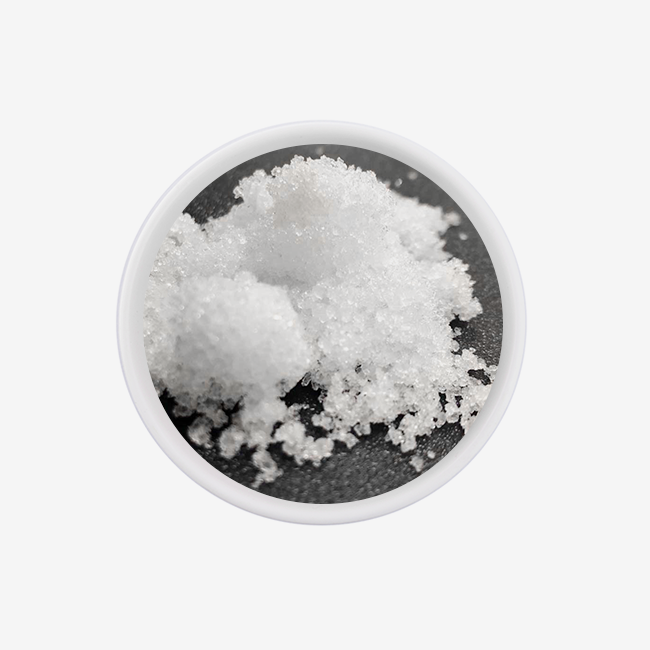
Yes, Snow Melting Solid Potassium Acetate (CAS No.: 127-08-2) is very good at melting heavy ice. As a white crystalline compound (CH₀COOK, CAS 127-08-2), it lowers the freezing point of water to -35°C in the real world, which starts a chemical process that releases heat when it comes into touch with ice. Rock salt stops working around -7°C, but this acetate-based deicing product quickly cuts through thick layers of ice that are stuck together. We make this product at SHANXI ZHAOYI CHEMICAL to ≥99.0% purity, which makes sure that it works the same way in places like airports, bridges, and factories where heavy ice builds up and causes real operating and safety risks.
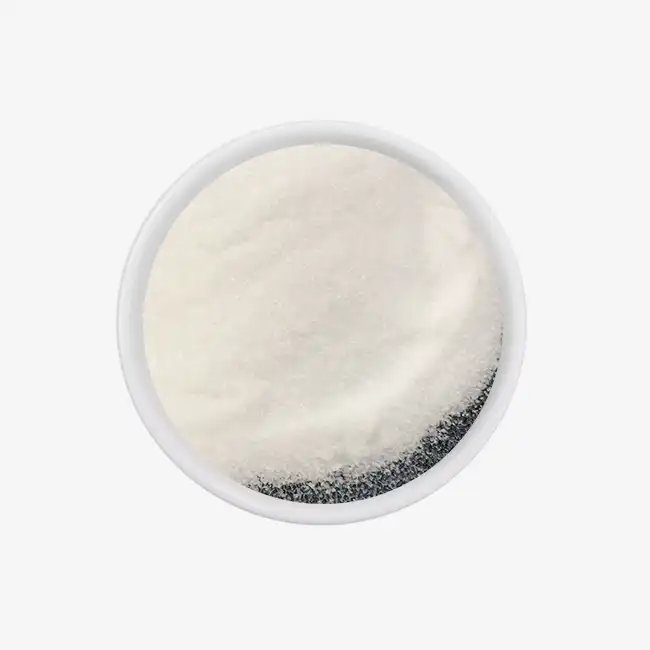
Understanding Potassium Acetate as a Snow Melting Solid
Getting Snow Melting Solid Potassium It lowers the freezing point and turns solid ice into liquid brine faster than chloride-based options because it breaks down the hydrogen bonds in ice crystals. It's easy to dissolve in water, acid, and alcohol, and its molecular weight is 98.14 g/mol. This means that it can be used with many different deicing tools, from mechanical spreaders to smoothing out surfaces by hand.
This substance isn't like regular road salt because it breaks down on its own. This ion is broken down by bacteria in the soil into carbon dioxide and water. There is no waste product from this process that could harm trees or the ocean. This makes it a good choice for places that need to protect the environment, like the edges of airports and the infrastructure in riverbeds.
Chemical Profile Worth Noting
Our product is ≥99.0% pure CH₽COOK, with less than 0.2% salt and less than 0.05% iron. Little things like these matter in real life. A good example is that too much salt makes rebar in concrete rust faster, and trace iron can hurt some systems that use industrial fluids. As long as the white crystalline form is stored, it doesn't harden, so it stays flexible for even application rates.
Can Potassium Acetate Efficiently Handle Heavy Ice?
To make sure everything works, this is the question most buying managers ask before placing a large order for Snow Melting Solid Potassium Acetate. The answer is a mix of science and facts from the field.
Rock salt, which is sodium chloride, scratches ice, but it needs heat to dissolve in order to make melt brine. That process slows down a lot below -7°C. Calcium chloride works better when it's cold, but it adds a lot of chloride to the water, which damages steel structures and makes the groundwater dirty. Potassium acetate gets around both of these problems and can keep making brine quickly at temperatures as low as -30°C in real life.
Here are the main performance benefits that make it stand out in heavy ice:
- Deep-freeze reliability: The compound stays chemically active at temperatures where chloride salts don't melt very quickly. This means it can be used during polar vortex events, which are happening more and more in the Midwest and Northeast of the United States.
- Non-corrosive chemistry: It meets the requirements for aerospace material compatibility, showing almost no corrosion on aluminum, carbon brakes, and structural steel. This is important for airport aprons and historic bridges, where chloride damage would require expensive repairs.
- Reduced application volume: Since the melt reaction works better per unit weight, workers usually use less material per square meter than they would with rock salt. This cuts down on the total amount of material used and the amount of residue that runs off.
These benefits directly lead to lower costs over the course of the lifecycle. The FAA Advisory Circular rules on airfield pavement deicing say that airport owners who moved from urea-based deicers to acetate solids reported lower pavement maintenance costs over five years. Cities and towns that are protecting old bridges have found similar savings in infrastructure.

Performance Against Thick Ice Layers
When you have dense, packed ice, which happens after many freeze-thaw cycles, you need a deicing agent that can go below the surface and work. The hygroscopic property of potassium acetate speeds up this process: it quickly draws in water from the air to make brine, which then moves downward through the ice matrix, weakening the bond between the ice and ground. Surface-broadcast chloride pellets often only melt the top layer of ice and then freeze again overnight, but this method works better on thick ice.
Selecting Potassium Acetate for Your Procurement Needs
The choice of supplier decides whether the chemical's supposed benefits can be trusted in the real world. When purchasing managers look at a Snow Melting Solid Potassium Acetate supplier, they need to make sure of a few things that can't be changed.
The first step is to have good documentation. Ask for a Certificate of Analysis (COA) that verifies the product's quality, moisture level (ideally less than 1.0%), and minor metal content. There is clumping when there is a lot of wetness, which stops motorized spreaders from working and lowers the effective concentration. If an insoluble substance above 0.1% is dissolved in water for use in brine, it can clog up liquid systems.
Certifications show how well a maker follows the rules for making things. The chemical company SHANXI ZHAOYI CHEMICAL is certified by ISO 9001, ISO 14001, and ISO 45001, and some of its types are also KOSHER and HALAL. These credentials show that quality management includes more than just testing products; it also includes overseeing workplace safety and the environment.
Supply Chain Continuity
Demand for deicing agents in the winter is naturally seasonal and weather-based, which means that problems with the supply chain have real effects on operations. With the ability to produce 150,000 tons per year and normal order wait times of 5–7 working days, we keep safety stock to help with quick fulfillment. Packaging options include 25 kg plastic woven bags for easy handling and 1,000 kg ton-bags for bulk applications. These can be used for both small municipal contracts and large industrial programs.
Best Practices for Using Potassium Acetate in Heavy Ice Conditions
Getting the right Snow Melting Solid Potassium Acetate(CAS No.: 127-08-2) isn't enough for effective release; application protocol controls what happens in the real world.
Pre-treatment before a storm always works better than spontaneous application. Spreading grains out before the ice forms on the sidewalk stops the layer from getting too compacted, which means that later doses will need to be higher. This method cuts down on total product use and keeps the surface's integrity.
Discipline in storage is just as important. Potassium acetate is hygroscopic, which means it takes in water from the air. Bags must stay closed in a dry, well-ventilated warehouse, away from sources of heat and things that don't go together. When packaging is damaged, it lets moisture in faster, which turns crystals into wet clumps that are spread out randomly.
Dosage and Equipment Compatibility
Setting the output of the spreader to the surface area and thickness of the ice stops it from applying too little (which can leave dangerous spots) or too much (which causes runoff that isn't needed). Spreaders made for grain deicers can safely handle the free-flowing crystalline form. Spreaders that are handled by hand make it possible to precisely target sensitive areas like hospital doors or radar installations.
Monitoring residues after an event helps with following the rules. The acetate ion breaks down on its own, but runoff BOD (Biological Oxygen Demand) levels may be set by local stormwater discharge permits. Environmental service providers and city governments are asking for more and more audit trails, which can be made by keeping track of application rates and environmental conditions.
Potassium Acetate as a Forward-Looking Solution in Snow and Ice Management
As environmental laws get stricter across the U.S., chloride runoff from deicing activities is being limited more and more. Minnesota, New York, and Wisconsin have all started programs to cut down on chloride that are aimed at people who use road salt. This change in regulations is mostly good for Snow Melting Solid Potassium Acetate because it doesn't cause long-term chloride loads.
Besides meeting the rules, potassium acetate also meets the requirements for corporate sustainability reporting that procurement managers now have to deal with all the time. Because it breaks down naturally, it supports ESG (Environmental, Social, and Governance) disclosures and supply chain transparency efforts. Buyers can add this product to branded winter maintenance plans without having to change how they buy things if the supplier offers OEM labeling and custom formulations, as SHANXI ZHAOYI CHEMICAL does.
Conclusion
Snow Melting Solid Potassium Acetate(CAS No.: 127-08-2) deicing agent has measured performance benefits in heavy ice conditions: it works reliably below -30°C, it doesn't damage valuable infrastructure, and it breaks down naturally, meeting the growing environmental compliance demands. Its value over traditional chloride-based alternatives is constantly shown by airport operations, bridge repair programs, and industrial site management. To turn these benefits into operational results, procurement professionals in the commercial, industrial, and municipal sectors must still choose a verified supplier with strong production capacity and certified quality standards.
FAQ
How fast does potassium acetate melt heavy ice compared to rock salt?
Rock salt stops working around -7°C (20°F). As cold as -30°C (-22°F), potassium acetate can be used in the field. Its eutectic point is thought to be -60°C. Because it releases heat, brine moves faster when it touches ice, which makes it much more useful on thick, packed-down layers of ice.
Is this product safe for use near vegetation and stormwater systems?
It is easy for bacteria in the ground to break down acetate into carbon dioxide and water, leaving no chloride behind. It is much safer for plants, tree roots, and water than sodium or calcium chloride goods because of this.
What should I verify before placing a bulk order?
You can see the grade (98% pure), the moisture level (1.0%), and the amount of insolubles (0.1%) on the COA. You should check that the seller meets the quality standards and can give you the MSDS forms. Make sure you understand the wait times, packing options, and shipping terms (FOB, CIF, DAP) before you sign the lease.
Can it damage cured concrete or reinforced structures?
No, potassium acetate does not directly damage concrete paste or cause the damage that happens when buildings freeze and then thaw, which is what happens when sodium chloride gets into reinforced buildings.
Partner With SHANXI ZHAOYI CHEMICAL for Reliable Snow Melting Solid Potassium Acetate Supply
Since 1988, SHANXI ZHAOYI CHEMICAL has been making acetate-series products. They can make up to 150,000 tons of them every year, and all of their shipments are certified as ISO, KOSHER, or HALAL. As a reliable producer of Snow Melting Solid Potassium Acetate, we let you buy in bulk, have wait times of 5–7 days, and provide full technical documentation. You can get a quote for your winter operations by emailing sxzy@sxzhaoyi.com or going to sxzhaoyi.com.
References
1. Ramakrishna, D.M., & Viraraghavan, T. (2005). Environmental impact of chemical deicers — a review. Water, Air, and Soil Pollution, 166(1), 49–63. https://link.springer.com/article/10.1007/s11270-005-8265-9
2. Federal Aviation Administration. (2014). Airport Winter Safety and Operations. FAA Advisory Circular AC 150/5200-30D. https://www.faa.gov/documentLibrary/media/Advisory_Circular/150-5200-30D.pdf
3. Fischel, M. (2001). Evaluation of Selected Deicers Based on a Review of the Literature. Colorado Department of Transportation Report CDOT-DTD-R-2001-15. https://www.codot.gov/programs/research/pdfs/2001/deicers.pdf
4. SAE International. (2012). AMS 1435C: Fluid, Generic, Deicing/Anti-Icing Runways and Taxiways. SAE Aerospace Material Specification. https://www.sae.org/standards/content/ams1435c/
5. Shi, X., Veneziano, D., Xie, N., & Gong, J. (2013). Use of chloride-based ice control products for sustainable winter maintenance: A balanced perspective. Cold Regions Science and Technology, 86, 104–112. https://www.sciencedirect.com/science/article/pii/S0165232X12002534
6. Minnesota Pollution Control Agency. (2019). Chloride in Minnesota Waters: Sources, Impacts, and Reduction Strategies. MPCA Report wq-iw3-56. https://www.pca.state.mn.us/sites/default/files/wq-iw3-56.pdf

USER EVALUATE
Here is the customer's evaluation of us
YOU MAY LIKE
 VIEW MORESewage Composite Carbon Source
 VIEW MORESnow Melting Liquid Potassium Formate
 VIEW MOREPrinting & Dyeing Solid Potassium Formate
 VIEW MOREAirport Runway Solid Potassium Formate
 VIEW MORECatalytic Solid Potassium Acetate
 VIEW MORE20% Liquid Sodium Acetate
 VIEW MORECatalytic Sodium Acetate Anhydrous
 VIEW MOREAcidity Adjustment Sodium Acetate Trihydrate