



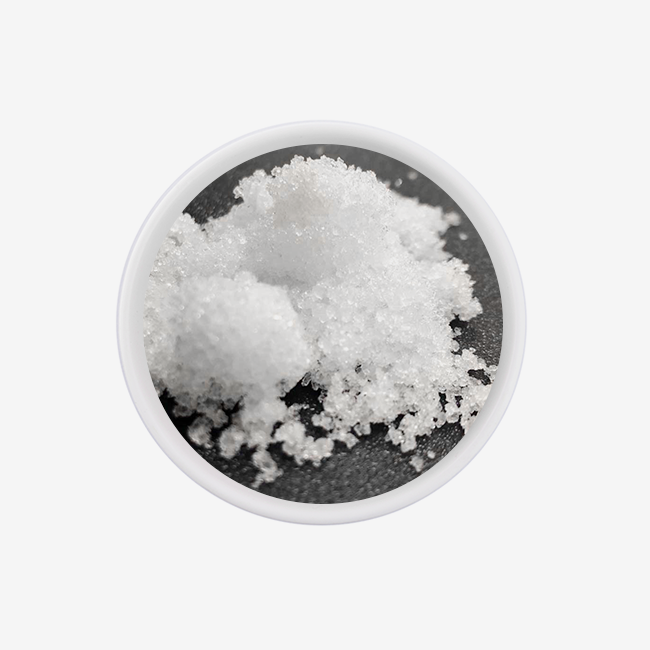
Acidity Adjustment Sodium Acetate Trihydrate
CAS NO.: 6131-90-4
Molecular Formula: CH3COONa·3H2O
Molecular Weight: 136.08
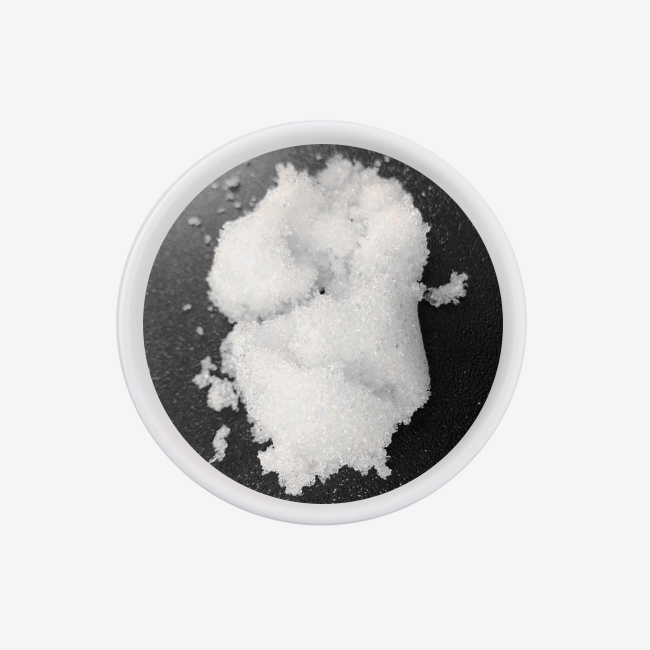
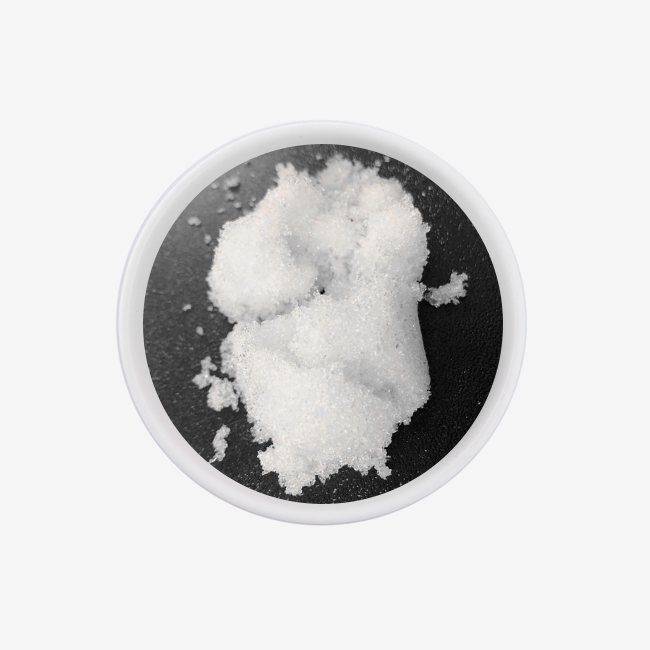
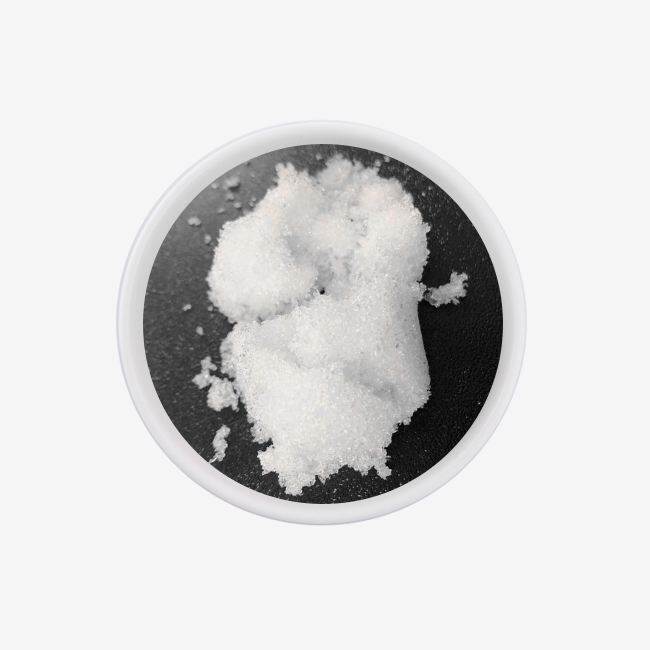
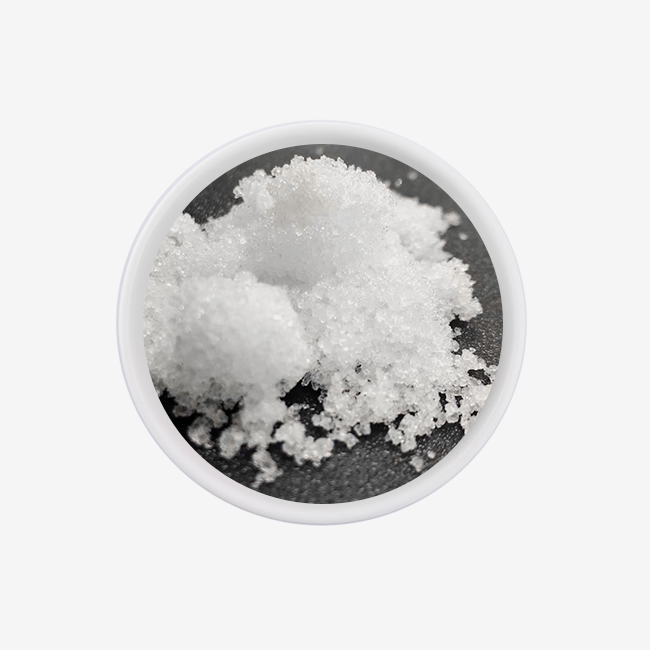
Character: Colorless crystal, it is soluble in water and alcohol and lightly soluble in acetic acid; specific gravity:1.45; melting point: 58℃.
Usage:It should be stored in a dry and ventilative warehouse, kept away from heat and moisture during transportation, unloaded with care so as to avoid damage. Furthermore, it must be stored separately from poisonous substances.
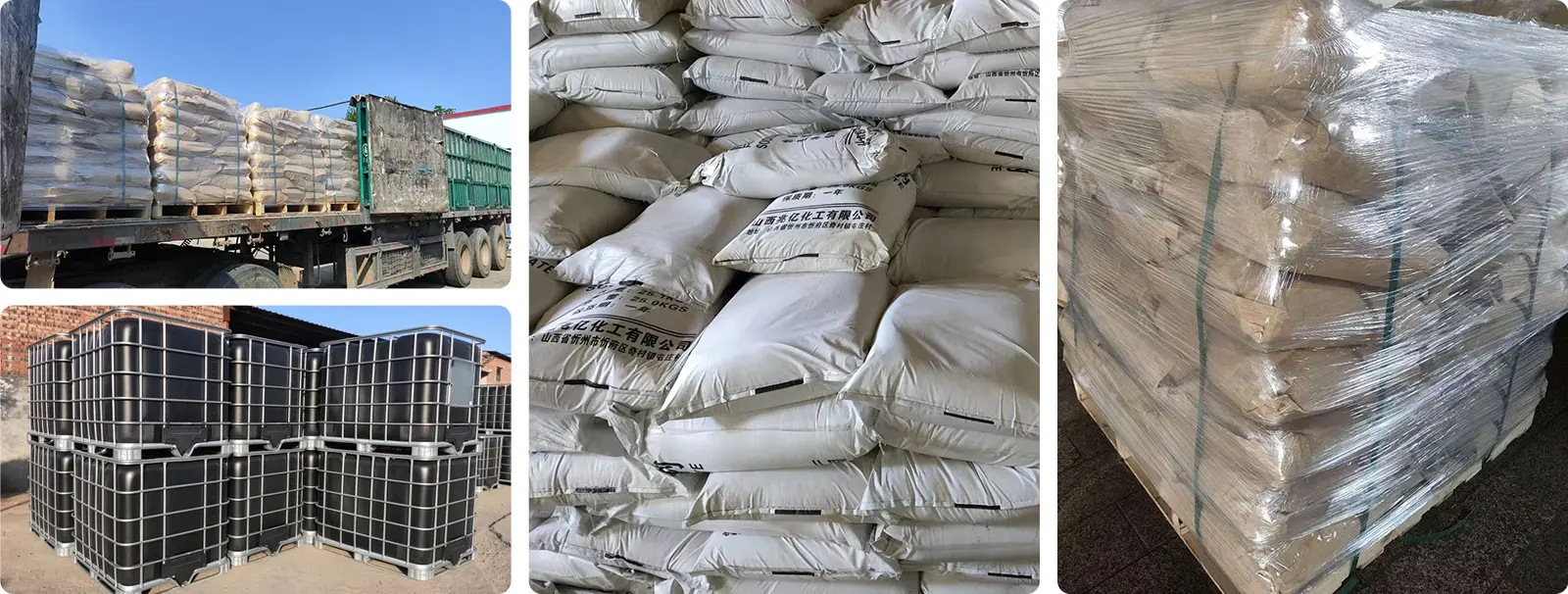
Package: 25kg plastic woven bag or 1000kg Ton-bag
Storage: It should be stored in a dry and ventilative warehouse, kept away from heat and moisture during transportation, unloaded with care so as to avoid damage. Furthermore, it must be stored separately from poisonous substances.
- Product Description
Acidity Adjustment Sodium Acetate Trihydrate — Food & Industrial Grade Acidity Regulator for Precise pH Control
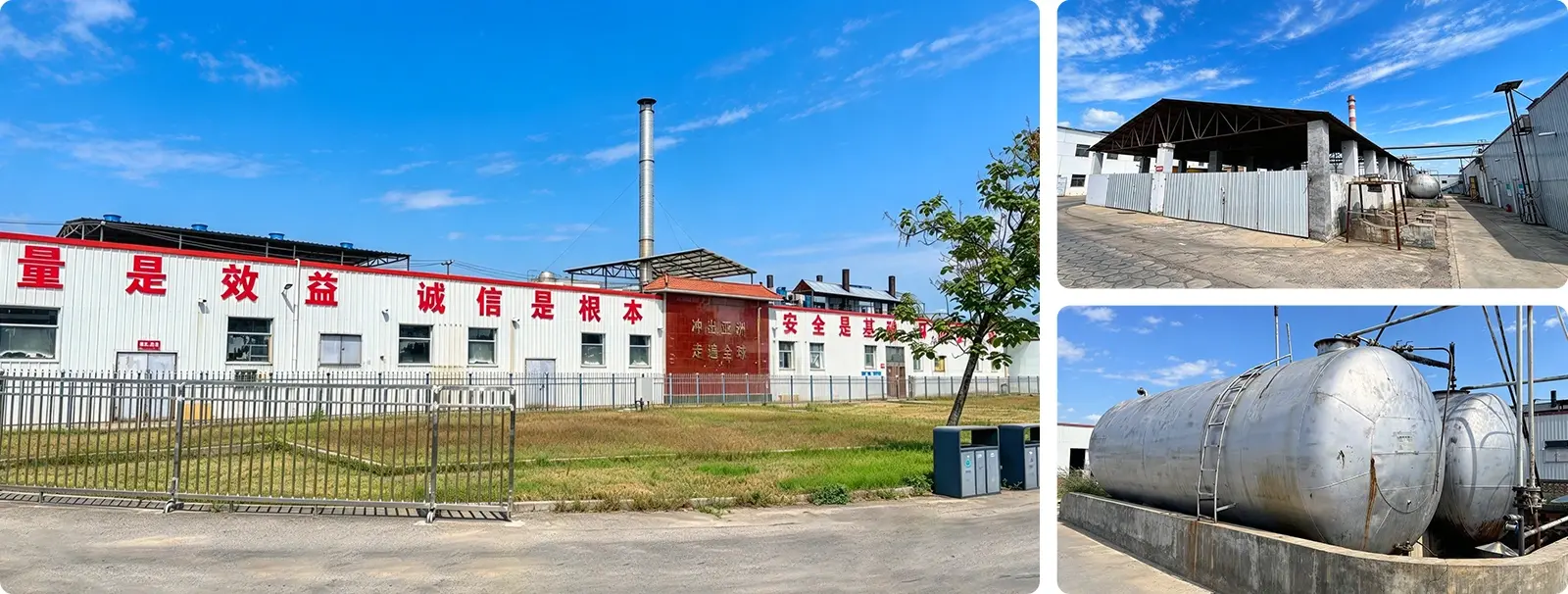
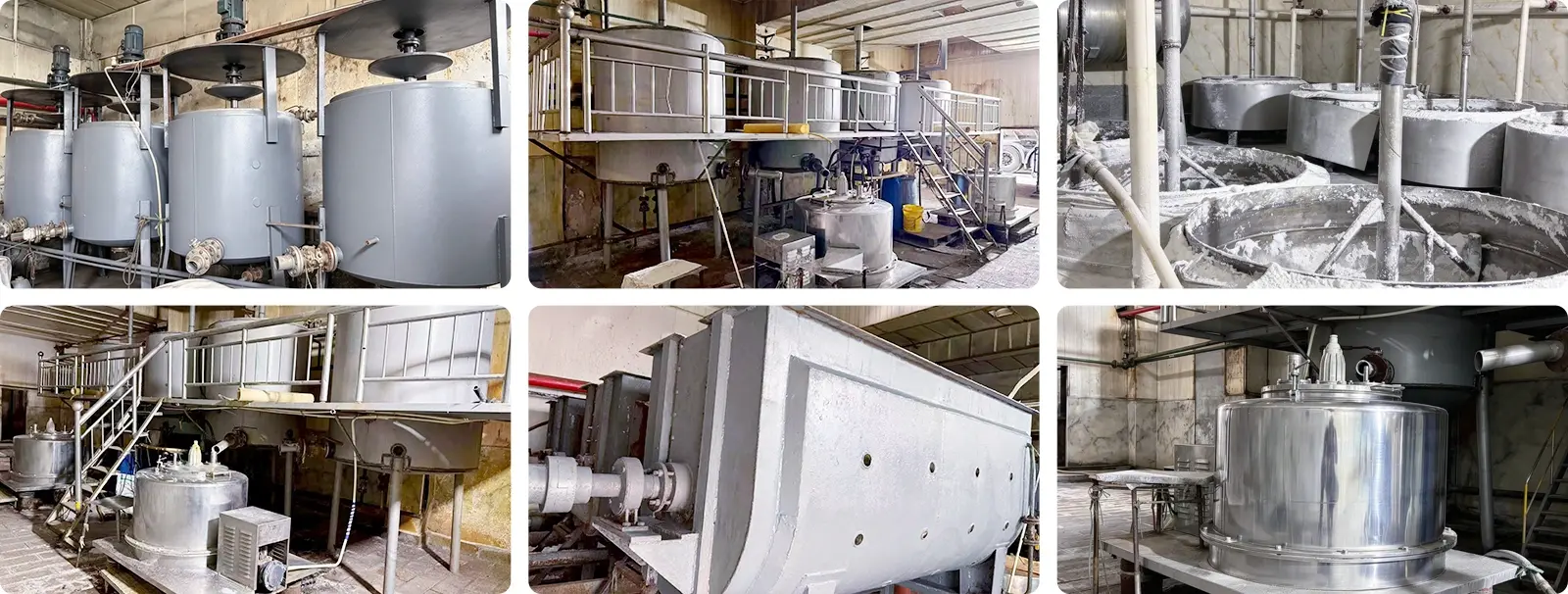
Acidity Adjustment Sodium Acetate Trihydrate (CAS 6131-90-4) is a reliable, multi-industry pH buffering agent produced by Shanxi Zhaoyi Chemical Co., Ltd. With over 30 years of experience in acetate manufacturing and a production capacity of 150,000 tonnes per year, we are able to guarantee a consistent purity of 99.0% - 101.0%, a molecular weight of 136.08 g/mol, and a melting point of 58 °C. 1. Appearance: colourless, transparent crystals with a little acetic odour. 2. Solubility: soluble in water, alcohol. Buffering agent for quality management, ISO-certified. Used in food processing, pharmaceuticals and textile dyeing to provide stable acidity.
Technical Specifications
Parameter | Food Grade Specification |
Content (CH₃COONa·3H₂O) | 99-100% |
Free Alkali | ≤0.12% |
Potassium (K) | ≤0.01% |
Lead (Pb) | ≤0.0005% |
Arsenic (As) | ≤0.0001% |
Free Water | ≤0.1% |
Molecular Weight | 136.08 g/mol |
Melting Point | 58℃ |
Specific Gravity | 1.45 |
Appearance | Colorless crystals |
pH (5% solution) | 7.5-9.0 |
What Is Sodium Acetate Trihydrate and How Does It Work?
Sodium acetate trihydrate is the crystalline hydrate of sodium acetate, with three molecules of water of crystallization. It is a salt of mild alkali. In aqueous solution it will dissociate into acetate ions ( CH3 CO O- ) and sodium ions ( Na+ ).
The concept of buffering is clear. If acid is added to the system, acetate ions will react with H⁺ and create acetic acid which will resist a decrease in pH. If you add alkali then acetic acid combines with OH- to release the acetate ions again, along with water. This opposes an increase in pH.
This buffering in both directions makes it very useful as a sodium acetate trihydrate acidity regulator for many industrial and food grade operations. The pH of a 1M solution is usually between 7.5 and 9.0, and thus provides very good resistance against fast changes in pH.
Key Product Characteristics
The trihydrate form has a technical benefit over anhydrous sodium acetate – better solubility kinetics in cold water systems . This is the perfect solution anytime you are dealing with low temperature operations such as meat curing brines, or cold process pharmaceutical compounding.
Its low insoluble matter content (≤ 0.05%) is especially important for precision dosing applications. The standard directly tackles the expensive operational issue of blockages in dosing pumps or injection systems.
The trihydrate form of sodium acetate dissolves quicker and more reliably at room temperature, thereby making it simpler to manufacture and more homogeneous for pH-sensitive industrial applications.
Application Areas
Meat & Poultry Processin
This chemical does double duty. It gets meat ready to consume. Buffers meat pH to 5.6-6.0 for optimum water retention and production. It also lowers water activity to kill Listeria and Salmonella, increasing shelf life.
Acid Control in Food & Beverage
Sodium acetate has a gentler saline flavour characteristic than sodium citrate, rather than harsh sourness. That makes it a better choice in savoury goods – sauces, marinades and processed cheese – where flavour neutrality during sodium acetate buffer pH adjustment is critical.
Pharmaceutical & Dialysis Solutions
It is used in renal dialysis fluids and intravenous formulations as an important electrolyte replenisher and acidosis corrector. The buffer must have a blood pH of 7.35–7.45, the physiological range, and show zero tolerance for endotoxins or heavy metal contaminants. Only culinary and pharmaceutical grade material may fulfil these stringent criteria.
Neutralisation & Dyeing of Textiles
The chemical alters the pH of the acid dyeing solution so that dye uptake is consistent and streaking is reduced. It neutralises residual sulphuric acid in wastewater streams to meet environmental regulations before to release.
Acidity Adjustment Sodium Acetate Trihydrate vs Other Products
Feature | Our Trihydrate | Anhydrous Form | Sodium Citrate |
Molecular Weight | 136.08 g/mol | 82.03 g/mol | 294.10 g/mol |
Cold Water Solubility | Excellent | Moderate | Good |
Flavor Profile | Mild saline-vinegar | Stronger | Sharp sour |
Dosage Precision | Direct use | Requires 1.66× conversion | Higher dosage needed |
Melting Point | 58℃ | 324℃ | 300℃ (decomposes) |
Storage Stability (<25℃) | Stable | More stable | Hygroscopic |
Preferred Use | Cold processing, food | High-temp industrial | Beverages, desserts |
Quality Control & Testing
Procurement professionals examine these four inspection parameters while buying this material. Understanding them will improve supplier quality assessment.
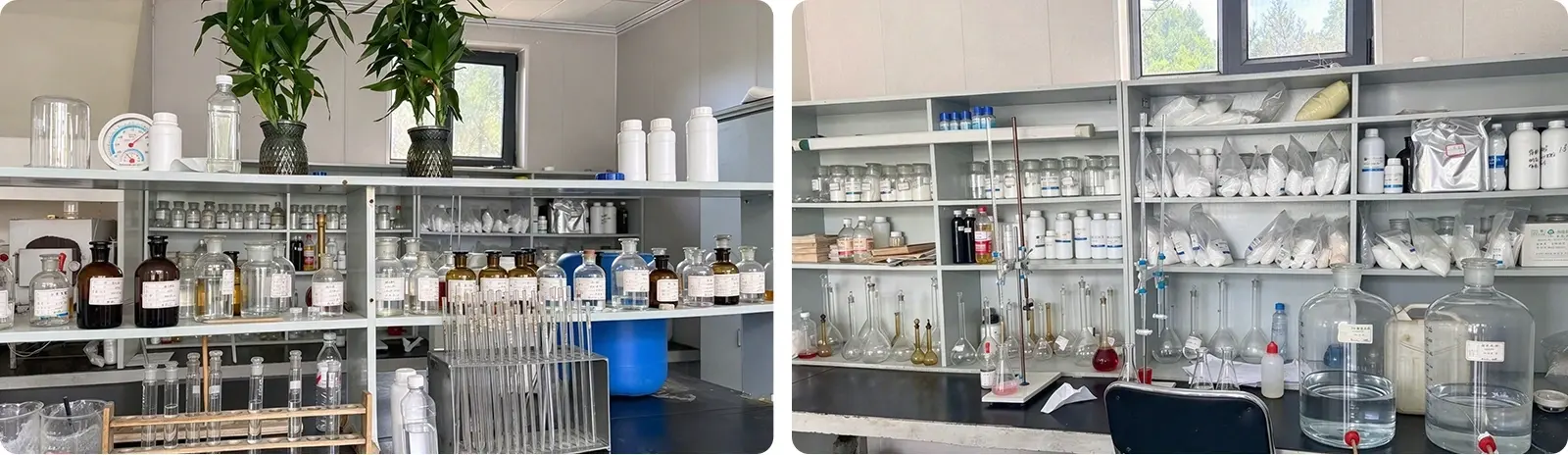
1. Assay & Moisture Content: Verified by Non-Aqueous Titration per USP/FCC procedures. Too much moisture leads to caking. Too little moisture predicts early dehydration from the trihydrate to anhydrous state.
2. pH of 5% Solution: Should be in the range of 7.5-9.0. Contamination by free acetic acid or too much sodium hydroxide which will degrade downstream buffer performance out of this range means.
3. Heavy Metals (Pb, As, Hg): Capped at < 2 ppm for lead, verified by Atomic Absorption Spectroscopy (AAS) or ICP-MS. Non-negotiable for food and pharmaceutical applications.
4. Oxidizable Substances: Tested via Potassium Permanganate titration. Elevated levels indicate low-quality feedstock and poor synthesis control — a reliable indicator of supplier manufacturing standards.
Every batch is supported by a Certificate of Analysis (COA) and Material Safety Data Sheet (MSDS). Third-party testing and factory audits are welcome.
Certifications & Compliance
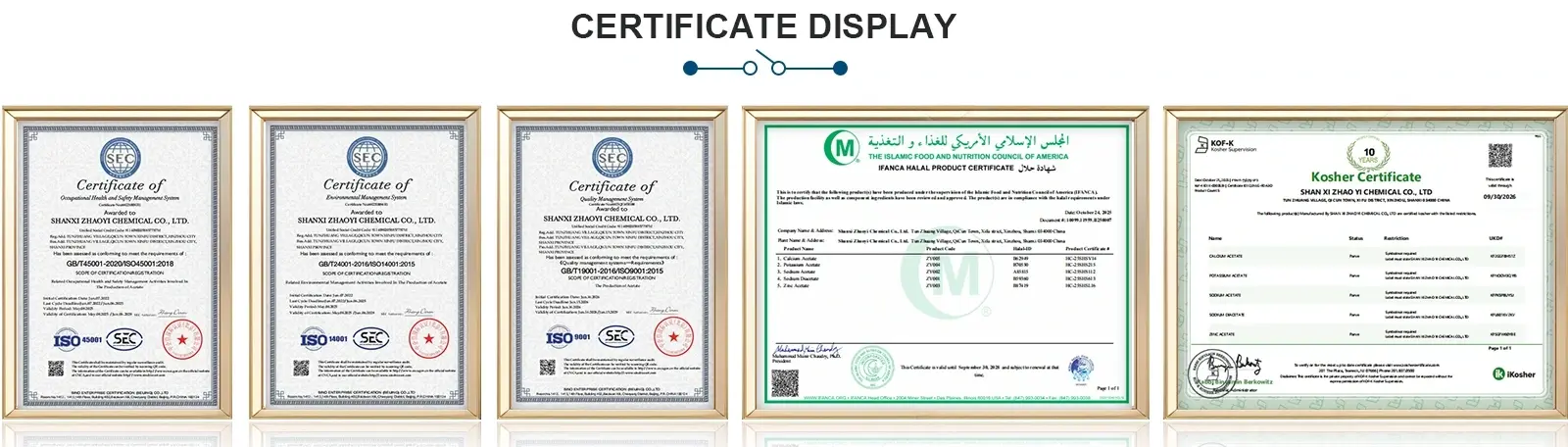
The quality management system of Shanxi Zhaoyi Chemical Acidity Adjustment Sodium Acetate Trihydrate is designed to assist you in meeting your supplier qualification and supply chain compliance requirements.
- ISO 9001 — Quality Management System
- ISO 14001 — Environmental Management System
- ISO 45001 — Occupational Health and Safety Management System
- Kosher Certification — Applicable food-grade products
- Halal Certification — Applicable food-grade products
On-site factory audits by domestic and international customers are fully supported. Multilingual MSDS, COA, and conformity documents are available upon request.
Packaging & Storage
Format | Specification |
Standard Bag | 25 kg plastic woven bag |
Bulk Bag | 1,000 kg ton bag |
OEM Packaging | Available on request |
Store in a cool (< 25°C), dry, and well-ventilated warehouse. Keep away from heat and moisture during transportation. Handle with care to avoid package damage. Store separately from toxic substances. Do not stack excessive weight on bags.
FAQ
Q: Why does the product clump during storage?
A:The trihydrate gives up its crystal water at a temperature of above 58°C. Partial melting may occur at 30°C+ and significant humidity. On cooling the substance recrystallizes and hardens into lumps. Store in a dry place at a temperature below 25°C.
Q: Can I substitute anhydrous sodium acetate directly for the trihydrate form?
A: No, not at a 1:1 weight ratio. The molecular weights are a little different (82.03 vs 136.08). So, you'd need around 1.66 times the weight of the trihydrate to obtain an equivalent acetate content as the anhydrous. Also, they differ in solubility profile. Recalculate your formula every.
Q: How to prepare sodium acetate buffer solution for pH adjustment?
A: Dissolve the desired amount at room temperature in water and titrate with acetic acid or sodium hydroxide to your desired pH. Trihydrate is more soluble in cold water than anhydrous, thus it’s easier to manufacture. When used with acetic acid it provides the maximum buffering power in the pH range of 3.6 - 5.6.
Q: What is the difference between technical grade and food grade?
A: Food and pharma grades have been refined by a rigorous filtering procedure to remove heavy metals, aldehydes and insolubles. Technical grade is for the amount of acetate present for neutralising ability only and is not suited for food or medical use. Always verify the grade before you purchase it.
Q: Will it corrode stainless steel process equipment?
A:Probably not corrosive to 304/316 stainless steel in a manufacturing environment. Less aggressive than chlorides but if the equipment is not cleaned, prolonged contact with over-concentrated solutions may cause some pitting of the surface.
Q: What is your normal lead time and minimum order quantity?
A: Our standard manufacturing lead time is about 5-7 working days. For items in stock, shipping may be arranged within 24 hours. MOQ and price will vary on grade and package type – please contact us for a bespoke estimate.
Our Exhibitions
Contact Us
Ready to source consistent, certified Acidity Adjustment Sodium Acetate Trihydrate for your production line? Contact us at sxzy@sxzhaoyi.com — our team responds within 2 hours.

USER EVALUATE
Here is the customer's evaluation of us
YOU MAY LIKE
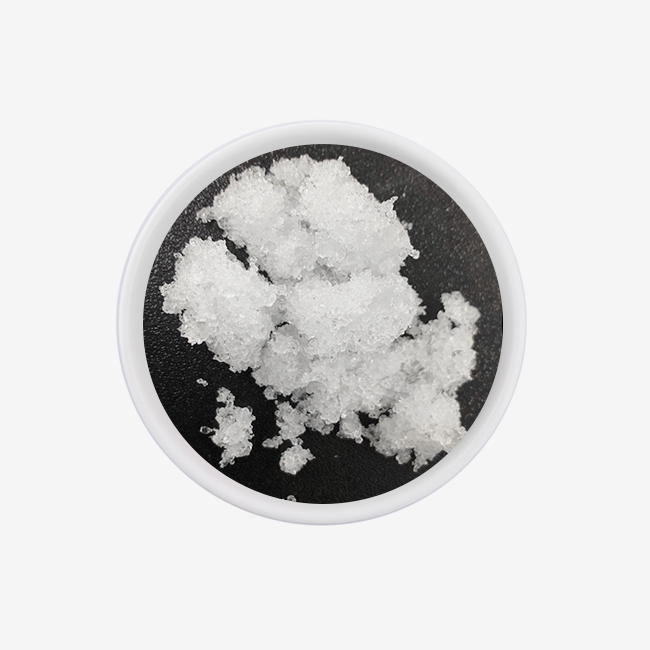 VIEW MOREIndustrial Sodium Acetate Trihydrate
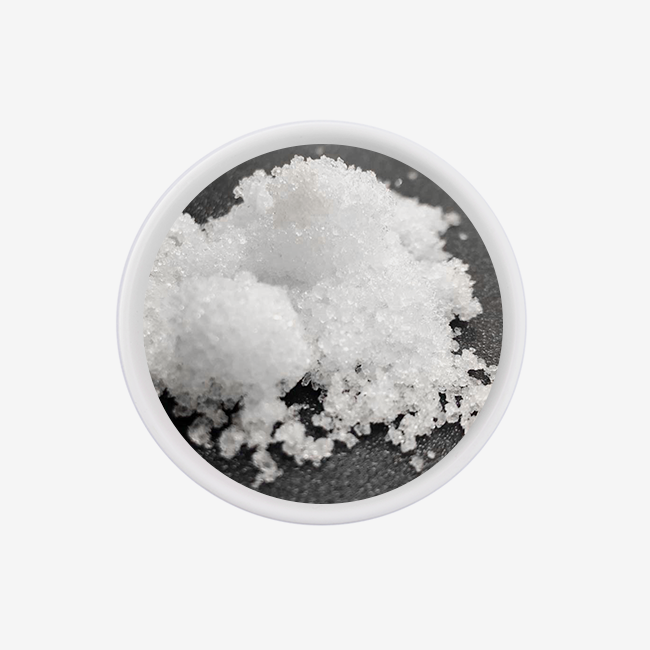 VIEW MOREDairy Product Sodium Acetate Trihydrate
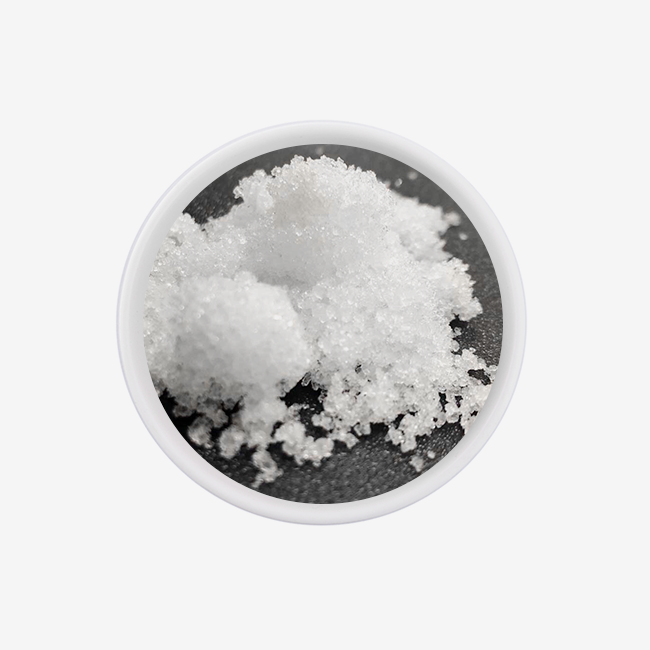 VIEW MOREFood-Grade Sodium Acetate Trihydrate
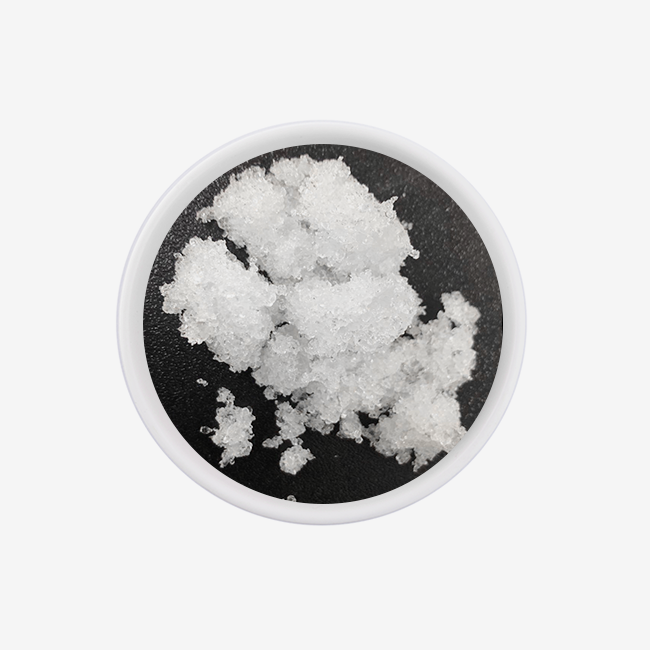 VIEW MOREChemical Fiber Sodium Acetate Trihydrate
 VIEW MOREAntibiotic Sodium Acetate Trihydrate
 VIEW MOREInjection Sodium Acetate Trihydrate
 VIEW MOREPharmaceutical Sodium Acetate Trihydrate
 VIEW MOREBread Sodium Acetate Trihydrate