



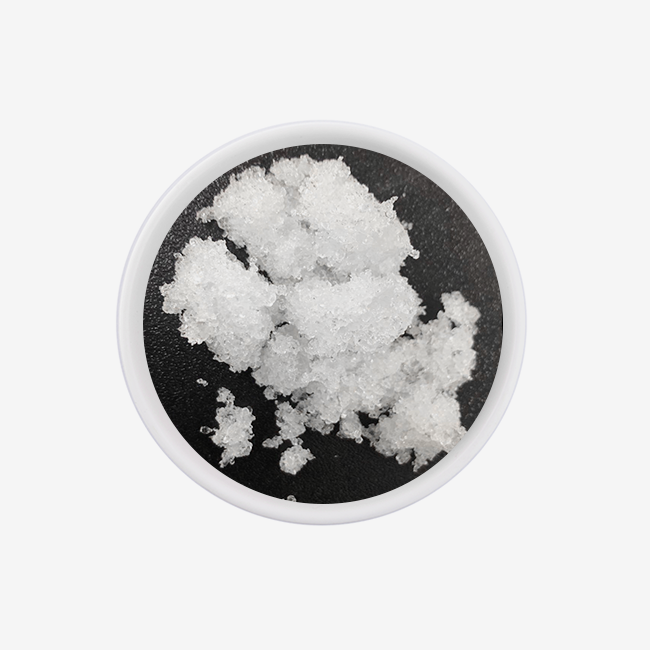
Chemical Fiber Sodium Acetate Trihydrate
CAS NO.: 6131-90-4
Molecular Formula: CH3COONa·3H2O
Molecular Weight: 136.08
Character: Colorless crystal, it is soluble in water and alcohol and lightly soluble in acetic acid; specific gravity:1.45; melting point: 58℃.
Usage:It should be stored in a dry and ventilative warehouse, kept away from heat and moisture during transportation, unloaded with care so as to avoid damage. Furthermore, it must be stored separately from poisonous substances.
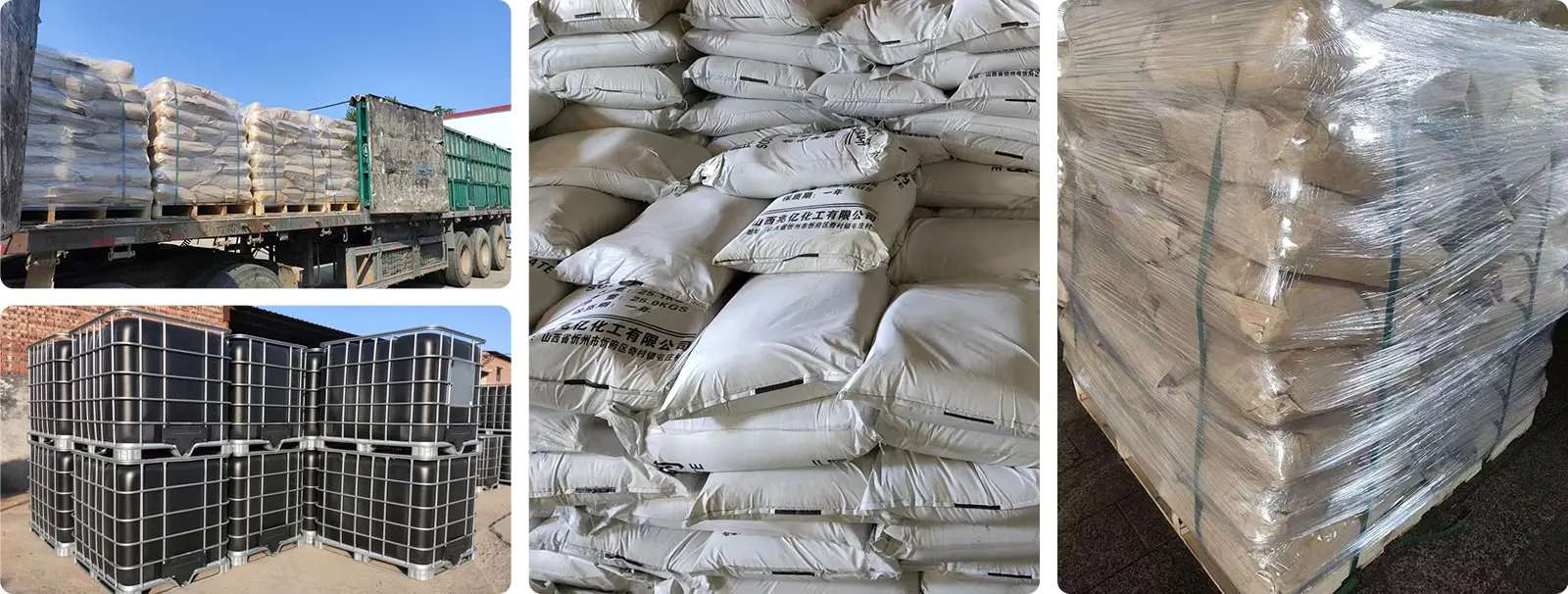
Package: 25kg plastic woven bag or 1000kg Ton-bag
Storage: It should be stored in a dry and ventilative warehouse, kept away from heat and moisture during transportation, unloaded with care so as to avoid damage. Furthermore, it must be stored separately from poisonous substances.
- Product Description
Chemical Fiber Sodium Acetate Trihydrate for Textile & Fiber Processing — Precision pH Control for Industrial Production
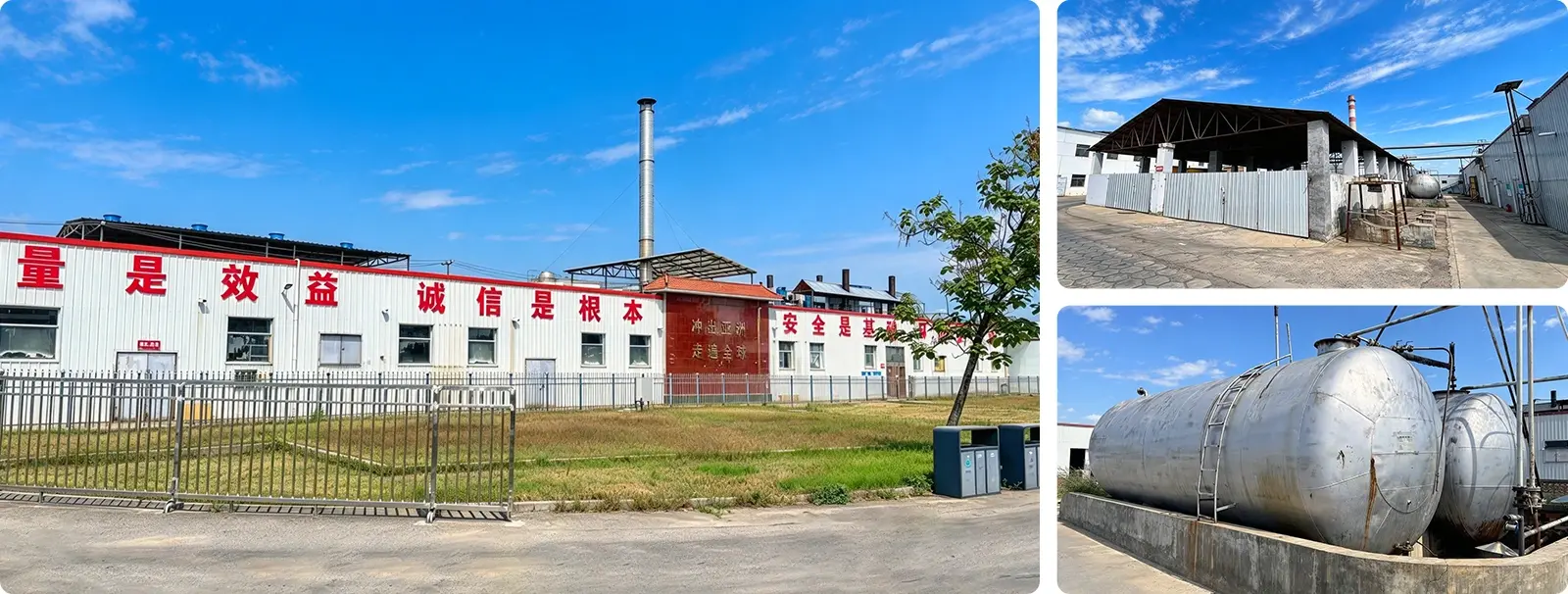
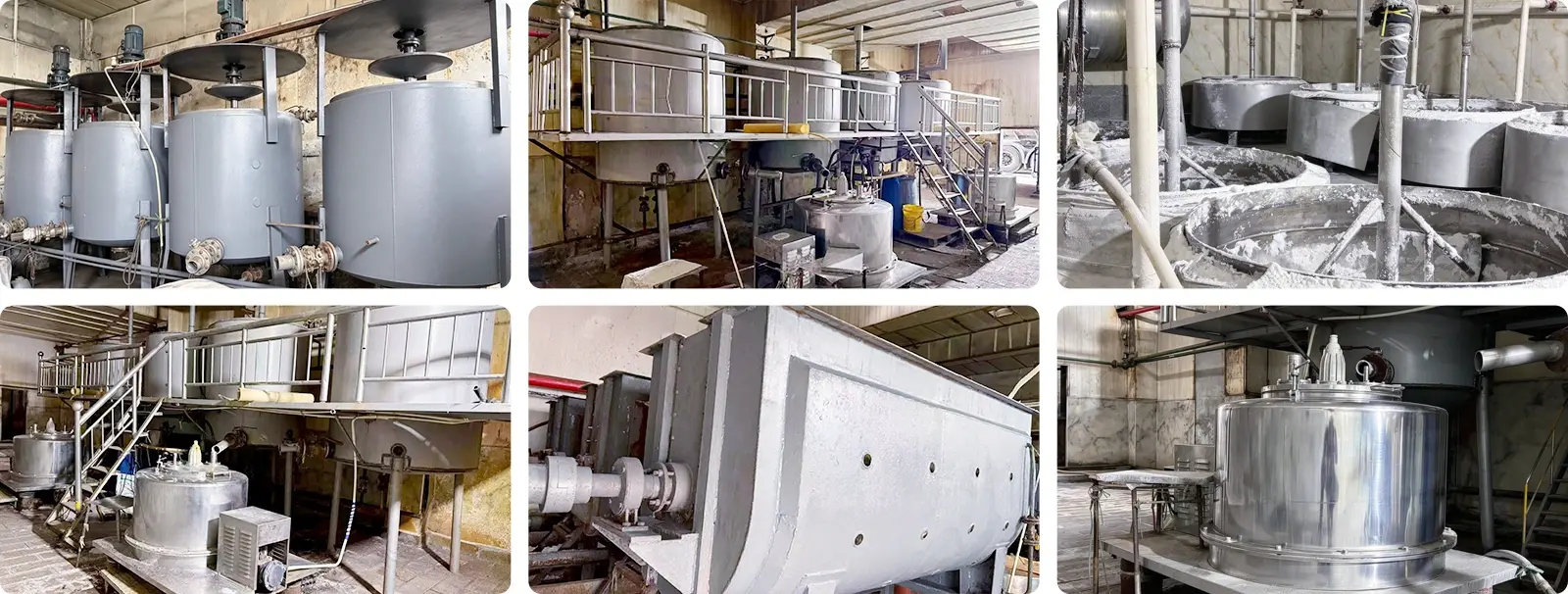
Chemical Fiber Sodium Acetate Trihydrate (CAS No. 6131-90-4) is a high-purity acetate salt engineered specifically for the demanding requirements of chemical fiber manufacturing. Produced by Shanxi Zhaoyi Chemical Co., Ltd. — an industrial company that has been making sodium acetate trihydrate for more than 30 years. This product has a stable pH buffer, dissolves quickly, and has strict impurity control (chloride ≤0.03%, iron ≤0.006%). We have a 27,000 m² factory that can produce 150,000 tonnes of goods every year, so we can reliably meet your needs for constant production.
Technical Specifications
Parameter | Specification | Test Method |
Content (CH₃COONa) | 58-60% | Titration |
Free Acid | ≤0.03% | pH Measurement |
Water Insoluble | ≤0.04% | Gravimetric |
Chloride (Cl) | ≤0.04% | Silver Nitrate Method |
Iron (Fe) | ≤0.0002% | ICP-MS/Spectrophotometry |
Molecular Formula | CH₃COONa·3H₂O | - |
Molecular Weight | 136.08 g/mol | - |
Appearance | Colorless Crystal | Visual |
Specific Gravity | 1.45 | Density Meter |
Melting Point | 58℃ | Thermal Analysis |
Solubility | Soluble in water & alcohol | - |
Key Product Characteristics
This grade of sodium acetate trihydrate is formulated to meet the technical tolerances of fiber processing environments — where even minor deviations in purity or pH response can compromise final product quality.
Strict Impurity Control
It can only have 0.006% iron, which is a lot less than normal commercial types. Iron ions, even in small amounts above 10 parts per million, can speed up the oxidation of polymers and turn finished textiles yellow, which lowers their value directly. The insolubles limit of ≤0.01% also keeps silicate or calcium crystals from getting into the spinneret micropores, which protects them and increases their service life by up to 20% compared to standard grades.
Stable Performance for Buffering
The product's weak alkaline buffering stays the same in a variety of processing settings, such as high-temperature and high-pressure colouring situations. This keeps the pH level of the dye bath in the right range throughout the process. This stops the dye from breaking down and helps the colour be absorbed evenly.
A Quick and Clean Breakdown
The product works well in both batch and continuous production lines because it is fluid, has regular crystal particle size, and dissolves cleanly without leaving any waste. For acid bath neutralisation, it's especially important that the particle sizes are all the same. Crystals with different sizes can cause pH spikes in certain areas that damage fibre surfaces.
Ability to work with multiple fibre processes
Polyester, nylon, acrylic, viscose, rayon, and PVA fibre systems can all use this product. It can be used with disperse dyes, cationic dyes, and different spinning auxiliaries without causing any problems.
Application Scenarios in Chemical Fiber Production
Understanding where and how this product performs best helps you make the right purchasing decision for your process requirements.
Acid Neutralization in Viscose and Rayon Spinning
These are some of the other sodium acetate trihydrate chemical fibre additives which are used to eliminate any sulphuric acid which may be trapped in the fibre tow during the coagulation baths, and washing processes after treatment in the manufacture of viscose and rayon. High purity is critical here because contaminants deposited on the surface of the fibre immediately lead to dull patches and reduced tensile strength, particularly during fast spinning.
The Importance of pH Buffers in Dyeing and Finishing Fibres
This component balances the dye bath and functions as a pH buffer so as to stabilise the pH while the synthetic fibres are being dyed at HTHP. It prevents pH changes with addition of acidic or basic dyes. This will allow the colour to penetrate uniformly across the cross section of the fibre without breaking down the polymer structure.
Wastewater pH Adjustment in Fiber Manufacturing
In PVA and vinylon fiber production, sodium acetate is often recovered as a byproduct or used for acidic effluent pre-treatment. Adding this product fine-tunes wastewater pH before biological treatment, protecting bacterial cultures from acid shock — even in high-salinity wastewater environments.
Chemical Fiber Sodium Acetate Trihydrate vs Other Products
Feature | Our Chemical Fiber Grade | Standard Industrial Grade | Food Grade | Anhydrous Form |
Iron Content (Fe) | ≤0.0002% | ≤0.002% | ≤0.001% | ≤0.002% |
Water Insolubles | ≤0.04% | ≤0.2% | ≤0.05% | N/A |
Dissolution Speed | Rapid & Uniform | Variable | Moderate | Slower |
Fiber Application | Optimized | Suitable | Not Recommended | Limited |
Spinneret Protection | Excellent | Basic | Good | Moderate |
Hygroscopicity | Moderate | Moderate | Moderate | Low |
Cost Efficiency | High for Fiber | Lower Initial | Premium | Moderate |
Storage Stability | Good (<30℃) | Standard | Refrigerated | Excellent |
Quality Control and Documentation
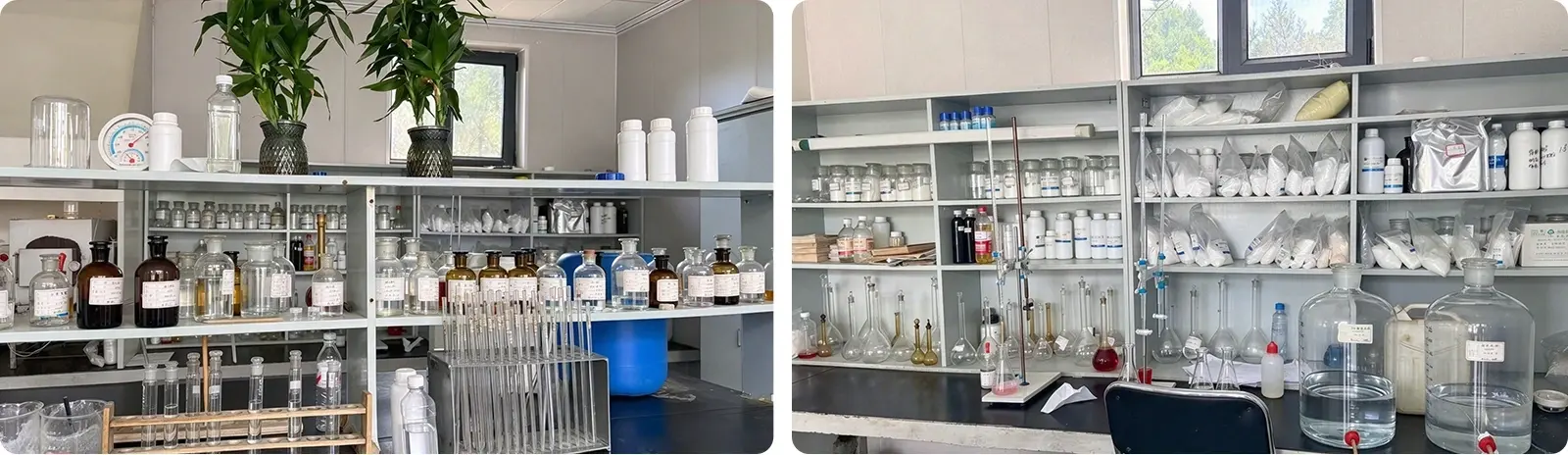
A systematic quality control procedure is performed for each batch. Analytical testing is performed to determine the assay content, chloride, iron, insolubles and pH buffering response so that the product fulfils the criteria before it is transported.
Supporting documents available upon request include:
- Certificate of Analysis (COA)
- Material Safety Data Sheet (MSDS)
- Conformity documentation for export compliance
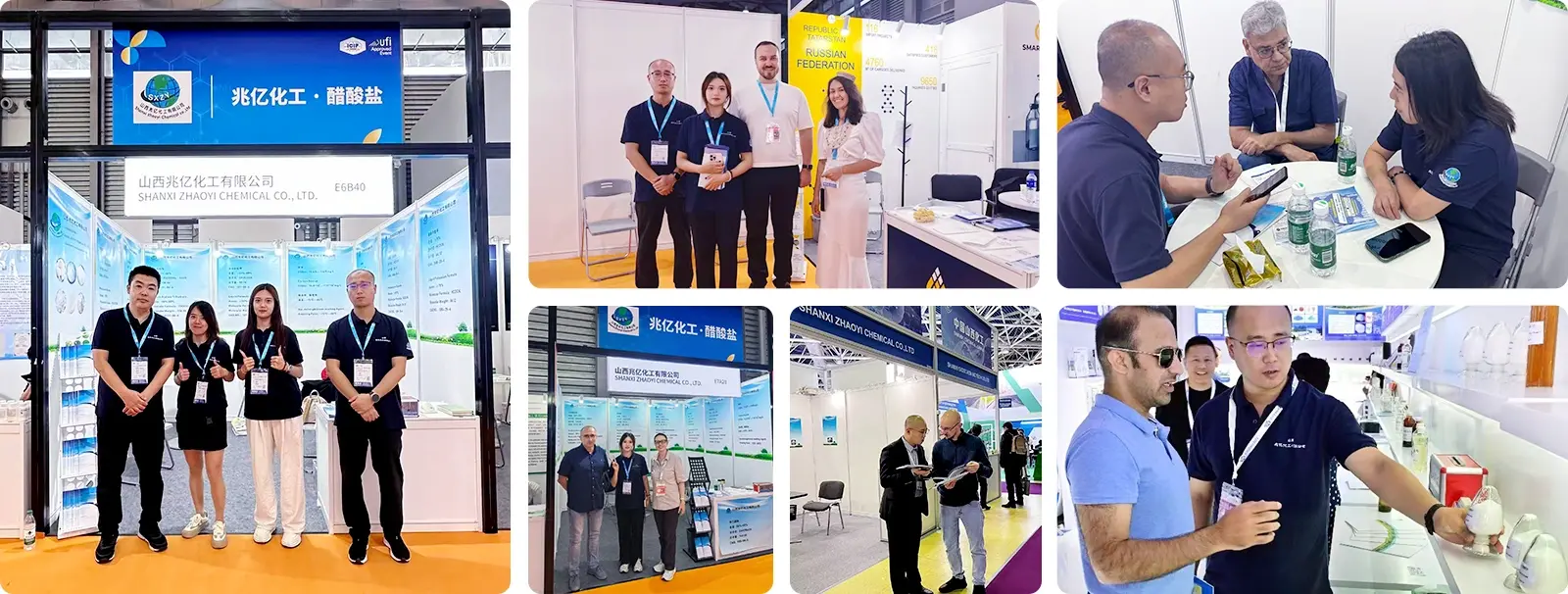
Third-party testing and on-site factory audits by domestic and international customers are also supported.
Certifications & Compliance
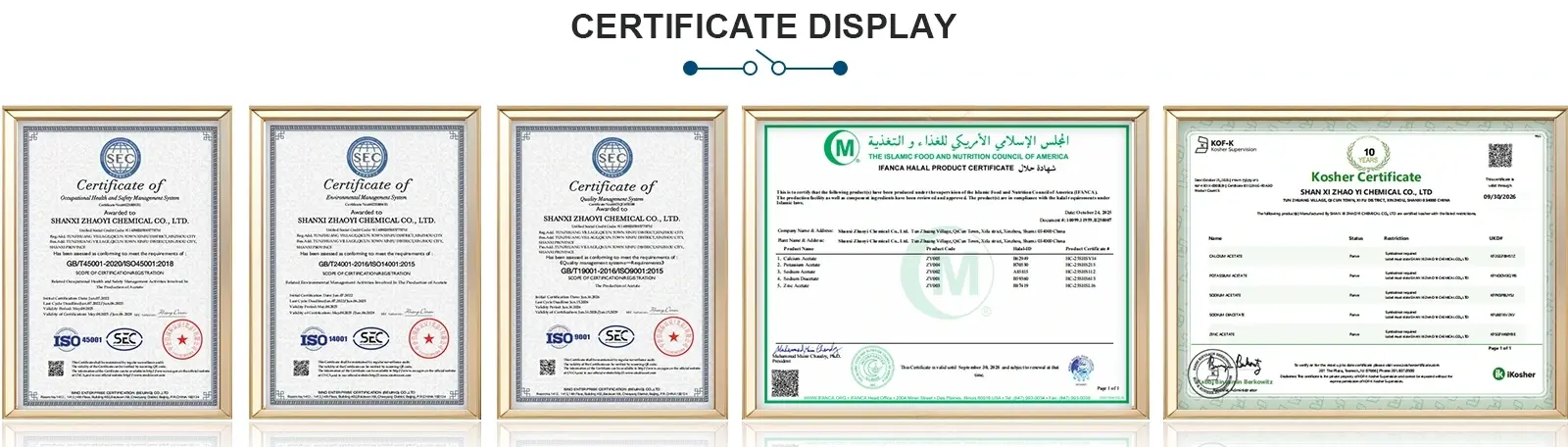
Shanxi Zhaoyi Chemical Co., Ltd. holds the following management system certifications:
ISO 9001 — Quality Management System
ISO 14001 — Environmental Management System
ISO 45001 — Occupational Health and Safety Management System
Kosher Certification
Halal Certification (for applicable product grades)
These certifications show that the company cares about quality, the environment, and worker safety, all of which are important things to look for in a long-term chemical supplier for industrial production.
Storage and Handling Guidelines
Sodium acetate trihydrate is easily dehydrated on crystallisation above 30°C, this is termed efflorescence. If Chemical Fibre Sodium Acetate Trihydrate is kept improperly, it will tend to clump, which will affect its solubility on the manufacturing line.
Recommended storage conditions:
- Temperature: below 30°C
- Relative humidity: below 60% RH
- Multi-layer PE/PP liner bags to prevent moisture ingress
- Dry, well-ventilated warehouse away from heat sources
During transportation, keep the product away from heat and moisture. Handle with care to avoid packaging damage. Store separately from toxic or incompatible substances.
Key Product Characteristics
This grade of sodium acetate trihydrate for Chemical Fiber Sodium Acetate Trihydrate is formulated to meet the technical tolerances of fiber processing environments — where even minor deviations in purity or pH response can compromise final product quality.
Strict Impurity Control
It can only have 0.006% iron, which is a lot less than normal commercial types. Iron ions, even in small amounts above 10 parts per million, can speed up the oxidation of polymers and turn finished textiles yellow, which lowers their value directly. The insolubles limit of ≤0.01% also keeps silicate or calcium crystals from getting into the spinneret micropores, which protects them and increases their service life by up to 20% compared to standard grades.
Stable Performance for Buffering
The product's weak alkaline buffering stays the same in a variety of processing settings, such as high-temperature and high-pressure colouring situations. This keeps the pH level of the dye bath in the right range throughout the process. This stops the dye from breaking down and helps the colour be absorbed evenly.
A Quick and Clean Breakdown
The product works well in both batch and continuous production lines because it is fluid, has regular crystal particle size, and dissolves cleanly without leaving any waste. For acid bath neutralisation, it's especially important that the particle sizes are all the same. Crystals with different sizes can cause pH spikes in certain areas that damage fibre surfaces.
Ability to work with multiple fibre processes
Polyester, nylon, acrylic, viscose, rayon, and PVA fibre systems can all use this product. It can be used with disperse dyes, cationic dyes, and different spinning auxiliaries without causing any problems.
B2B Supply and After-Sales Support
Choosing a reliable industrial sodium acetate trihydrate manufacturer means more than just sourcing a chemical — it means securing a stable, responsive supply chain for your production operation.
- Annual capacity: 150,000 tons, supporting large and continuous orders
- Lead time: 5–7 working days for standard production; 24-hour delivery for stock orders
- Technical response: Within 24 hours for process-related inquiries
- Sample support: Small-batch samples available for process validation
- Complaint handling: Response within 3 working days with documented resolution
- Returns: Accepted unconditionally for excessive impurity content or substandard pH buffering performance
Order a little quantity or a whole container. Buy it easily in flexible packaging such as 25 kilogram woven bags or 1,000 kg tonne bags with international trade terms (FOB, CIF, DAP) and help for multimodal shipping.


FAQ
Q: Why is the iron content limit in this product much stricter than standard industrial grade?
A:Iron ions act as oxidation catalysts. Even trace amounts above 10 ppm can cause the fiber polymer to degrade and yellow during processing, reducing the commercial value of the finished textile. The ≤0.006% iron limit in this specification prevents this risk.
Q: Can the product be used for pharmaceutical or food production?
A:No. While this product is high purity, it is optimized for textile process parameters. Pharmaceutical and food applications require GMP certification and specific microbiological and endotoxin controls that are outside this product's specification scope.
Q: How does particle size affect neutralization performance in fiber acid baths?
A:Uniform particle size ensures rapid, even dissolution and prevents localized alkalinity spikes. Uneven crystal sizes can create temporary pH hot spots that damage fiber surfaces during acid neutralization — a risk this product's controlled crystallization process is designed to minimize.
Q: What storage conditions prevent caking?
A: Keep the items below 30°C and 60% relative humidity in multi-layer PE/PP bags that are sealed. If the temperature goes above 30°C, the trihydrate form may start to lose the water that it needs to crystallise. This can cause problems with thickening and dissolving during production.
Q: How does this product change the life of a spinneret?
A: This grade keeps insolubles below 0.01%, which makes it much harder for silicate or calcium layers to form inside spinneret micropores. Compared to standard industrial grades, this can make spinnerets last up to 20% longer.
Q: Does this work with what kinds of fibres and colouring systems?
A: It works with systems that make polyester, nylon, acrylic, viscose, rayon, and vinylon. It can be used with disperse dyes, cationic dyes, and standard dyeing aids in both room temperature and high temperature/high pressure dyeing situations.
Contact Us
Ready to source Chemical Fiber Sodium Acetate Trihydrate for your production line? Send your inquiry to sxzy@sxzhaoyi.com and our team will respond within 2 hours.

USER EVALUATE
Here is the customer's evaluation of us