



How Does Snow Melting Liquid Potassium Acetate Work on Icy Runways?
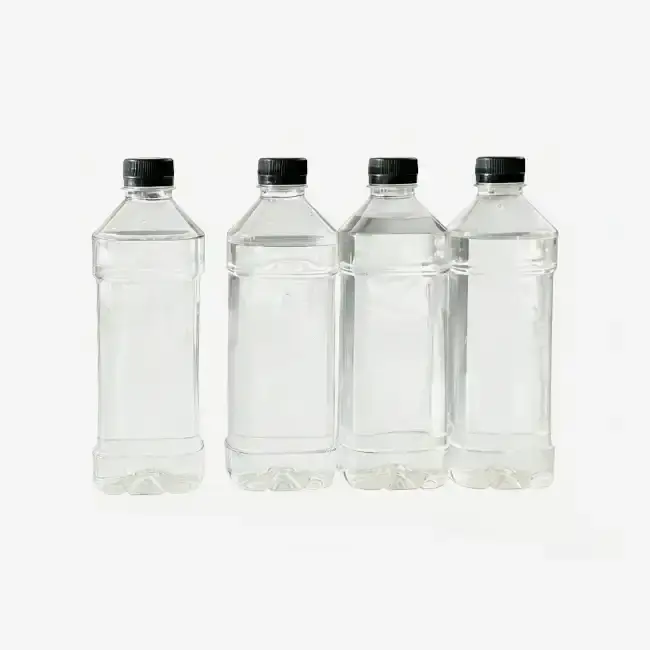
Snow melting liquid potassium acetate (CH₃COOK, CAS 127-08-2) works by depressing the freezing point of water through a colligative chemistry mechanism. When applied to an icy runway surface, this colorless, slightly acidic liquid dissociates into potassium and acetate ions, disrupting the hydrogen-bond lattice of ice crystals. This lowers the freezing point to as low as -35°C, breaking the adhesion between ice and pavement almost immediately. Unlike solid de-icers that require time to dissolve, the liquid format delivers instant contact action, achieving a snow melting rate exceeding 85% within one hour at -25°C — a critical performance threshold for airport safety operations.
Understanding the Chemistry Behind Acetate-Based De-icing
How Freezing Point Depression Works at a Molecular Level
Snow melting liquid potassium acetate is easily broken down in water, releasing K⁺ and CH₃COO⁻ ions. These ions raise the amount of solutes in the moisture film on the surface, which makes it thermodynamically impossible for the material to re-solidify. Journal of Chemical & Engineering Data (2019) talks about colligative properties principles that say ionic solutes lower freezing points by the same amount as their molecular concentration. At a concentration of 50–60%, this acetate solution stays a steady liquid phase well below the point where runway ice bonds form. This gives airport workers a clear window of time to clear surfaces safely before flights resume.
Liquid vs. Solid Potassium Acetate: A Practical Distinction
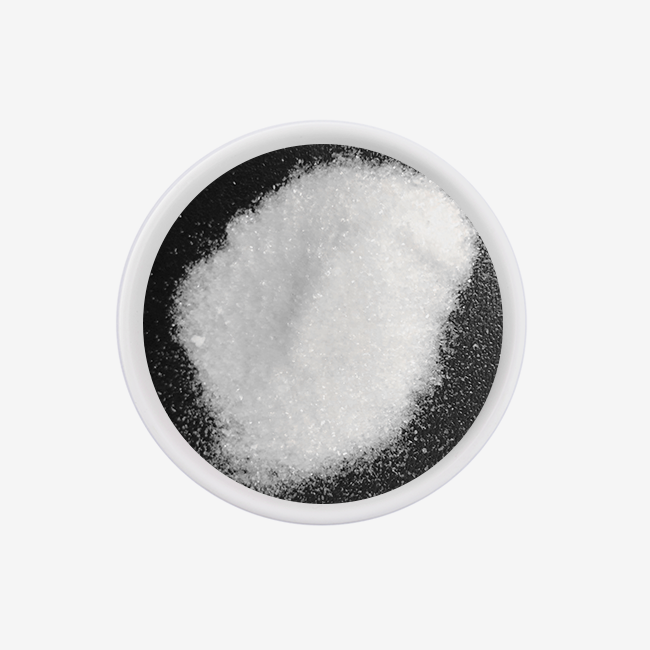
To dissolve, solid potassium acetate flakes need either ambient moisture or mechanical movement. This adds an endothermic lag that makes surface clearing take longer. The liquid form skips over that whole wait. It goes into tiny cracks and holes on the surface of asphalt and concrete, making it harder for ice to stick there instead of just melting from the top. This ability to go deep into the ground is especially useful on rough airport surfaces, where ice can become mechanically stuck to the sidewalk aggregates.
Key Benefits of Using Liquid Potassium Acetate on Airport Runways
De-icing airport runways has effects that go beyond short-term inconvenience. For example, a missed flight delay due to inadequate ice clearance can cause millions of dollars in lost business. Snow melting liquid potassium acetate(CAS NO.: 127-08-2) has become the go-to choice at big foreign airports because it can fix a lot of problems at once.
Here are the main performance benefits that make this strategy better than other options:
- Non-corrosive formulation: Corrosion rates on carbon steel stay at ≤0.03 g/m²·h, which meets the requirements of Aerospace Material Specification (AMS) 1435. This keeps aircraft landing gear, aluminum fuselage parts, and the runway's infrastructure safe from chloride-induced oxidation, which is a common issue with agents based on sodium chloride and magnesium chloride.
- Immediate activation: As a ready-to-use liquid, it starts working as soon as it comes in contact with water. There is no need to wait for it to dissolve first. Anti-icing pre-treatment before it starts to rain stops ice from bonding completely, which means that less product is needed for each storm.
- Extreme-temperature performance: When it comes to extreme temperatures, the freezing point goes as low as -35°C, so it works even when glycol-based options and road salt don't.
- Biodegradability ≥95%: Because runoff has low biological oxygen demand (BOD) and chemical oxygen demand (COD), it doesn't pose much of a threat to nearby plants, soil microbiomes, and nearby rivers. This is good for following the rules for NPDES discharge permits.
All of these benefits lower the total cost of ownership. Infrastructure managers say that their budgets for winter repairs go down a lot when they switch from chloride-based de-icers to acetate-based ones. This is because rust damage to rebar, drainage grates, and sidewalk joints is no longer an issue.
Procurement Insights for B2B Buyers of Liquid Potassium Acetate
To get a high-quality de-icing fluid on a large scale, you need more than a low unit price. When looking for a supplier of snow melting liquid potassium acetate, purchasing managers should make sure that the quality of the product is consistent from batch to batch and that the supply chain is strong.
What Certifications Matter Most
ISO 9001 proves that quality control in manufacturing is done in a planned way. ISO 14001 shows that environmental management standards are being met, which is important if your buying strategy sets sustainability goals. For airport clients, AMS 1435 compliance testing is the gold standard. It checks how aluminum, carbon steel, magnesium metals, and painted surfaces corrode. Cross-market production discipline is also shown by suppliers who hold KOSHER and HALAL certifications.
Packaging, MOQ, and Logistics Considerations
Liquid potassium acetate can be shipped in 1000L IBC tanks for storage at the plant level and direct pump connection, or it can be shipped in Flexibags for high volumes at the lowest cost. Both formats keep the quality of the product during shipping as long as they are kept dry, ventilated, and away from heat and moisture. Buyers should confirm lead times, which are usually 5–7 working days from production, and make sure that the supplier keeps safety stock to protect against seasonal demand spikes, which tend to get very strong in northern U.S. markets from November to February.

Safe Handling, Storage, and Environmental Considerations
Snow melting liquid potassium acetate is not as dangerous as chloride-based de-icers, but it is still important to follow the right way to handle it to protect the product and yourself.
To keep things from getting dirty or evaporating, storage bins should be made of plastic or stainless steel. Keep the product away from heat sources and things that don't go with it. Store it in buildings with good air flow, and be careful when moving it so that the container doesn't get damaged. Standard chemical splash goggles and resistant gloves should be worn by people who work with large amounts to protect their eyes and skin from direct or long-term contact.
From an environmental point of view, earth bacteria break down the acetate ion into carbon dioxide and water through aerobic processes. This way of breaking down, which has been proven to be 95% biodegradable, keeps airport waste from building up in stormwater systems or groundwater like chloride ions do. This difference is very important for airports that are close to drinking water catchment zones or sensitive marsh areas.
Making the Right Choice: Is Liquid Potassium Acetate the Best De-Icing Solution for You?
The answer rests on how you run your business, the rules that apply to it, and the type of physical assets you have. It is still cheaper to use road salt on low-sensitivity municipal roads where corrosion and water runoff aren't a big deal. Urea-based de-icers break down concrete less, but they add a lot of nitrogen to waterways. Glycol-based fluids are good for de-icing the surface of an aircraft, but they don't work well on sidewalk for de-icing a runway.
Snow melting liquid potassium acetate is in a unique position because it works reliably at very low temperatures, protects sensitive infrastructure materials, and meets aviation-grade safety standards. When total lifecycle costs are taken into account, acetate-based liquid solutions always come out on top for airport operators, highway bridge maintenance contractors using FAST (Fixed Automated Spray Technology) systems, and industrial facility managers in charge of high-value assets.
Conclusion
Snow melting liquid potassium acetate(CAS NO.: 127-08-2) works on icy runways by chemically lowering the freezing point of surface water, breaking up ice through ionic dissociation, and stopping it from freezing again at -35°C. Traditional chloride de-icers can't solve the main practical and environmental problems that this one can because it is non-corrosive, recyclable, and works right away. If business-to-business buyers in airport operations, infrastructure maintenance, and industrial sites understand this solution's science and how it's bought, they can make better, safer decisions about winter maintenance.
FAQ
Does snow melting liquid potassium acetate work at temperatures below -30°C?
The freezing point can theoretically drop to as low as -60°C at eutectic concentration. In practice, it has been shown to work down to about -35°C at a 50–60% working concentration. This range includes the vast majority of winter storms in the United States. It includes very cold events in the northern states and at high elevations near airports.
How does it compare to sodium acetate for runway applications?
Sodium acetate melts in a way that is similar to acetone, but at some concentrations, it is more likely to form crystals from leftovers. Potassium acetate is the best choice for airside operations because it stays more stable when the temperature changes and is specifically mentioned in AMS 1435 aviation specifications.
Is it safe to use near airport drainage systems?
Yes. Potassium acetate runoff is much better for the environment than chloride or urea-based options because it biodegrades quickly and has low BOD/COD values. This is in line with EPA stormwater discharge standards used for NPDES permits.
What is the recommended application method?
Spraying is usually done with automated systems that are mounted on trucks or that stay in one place. Because the liquid has a low viscosity, the opening will always work properly even when it's below zero degrees.
Partner with SHANXI ZHAOYI CHEMICAL for Reliable De-Icing Supply
In 1988, SHANXI ZHAOYI CHEMICAL started making acetate products. They can now make 150,000 tonnes of them every year and are certified by ISO 9001, ISO 14001, and ISO 45001 standards. As a reliable company that makes snow melting liquid potassium acetate, we help businesses buy in bulk. We offer 5- to 7-day wait times, IBC and Flexibag packaging, and expert support 24 hours a day, 7 days a week. You can email us at sxzy@sxzhaoyi.com or go to sxzhaoyi.com to ask for details, samples, or a personalised supply plan.
References
1. Atkins, P., & de Paula, J. (2018). Physical Chemistry (11th ed.). Oxford University Press. Colligative properties and freezing point depression. https://global.oup.com/academic/product/physical-chemistry-9780198769866
2. SAE International. (2020). AMS 1435D: Fluid, Generic, Deicing/Anti-Icing Runways and Taxiways. SAE International Standards. https://www.sae.org/standards/content/ams1435d/
3. Federal Aviation Administration (FAA). (2021). AC 150/5370-14B: Aircraft Deicing Facilities. U.S. Department of Transportation. https://www.faa.gov/airports/resources/advisory_circulars/index.cfm/go/document.current/documentNumber/150_5370-14
4. Transportation Research Board. (2019). NCHRP Report 577: Guidelines for the Selection of Snow and Ice Control Materials. National Academies of Sciences. https://www.trb.org/Publications/Blurbs/158765.aspx
5. U.S. Environmental Protection Agency. (2022). National Pollutant Discharge Elimination System (NPDES): Stormwater Discharges from Industrial Activities. EPA Office of Water. https://www.epa.gov/npdes/stormwater-discharges-industrial-activities
6. Airport Cooperative Research Program (ACRP). (2020). ACRP Report 14A: Deicing Planning Guidelines and Practices for Stormwater Management Systems. Transportation Research Board. https://www.trb.org/Publications/Blurbs/163839.aspx

USER EVALUATE
Here is the customer's evaluation of us
YOU MAY LIKE
 VIEW MOREHigh-End Community Snow Melting Agent
 VIEW MOREPharmaceutical Intermediate Liquid Potassium Formate
 VIEW MOREFabric Fixing Solid Sodium Formate
 VIEW MOREOilfield Liquid Potassium Acetate
 VIEW MOREPharmaceutical Solid Potassium Acetate
 VIEW MOREpH Adjustment Sodium Acetate Anhydrous
 VIEW MORESewage Liquid Sodium Acetate
 VIEW MOREPrinting & Dyeing Sodium Acetate Anhydrous