



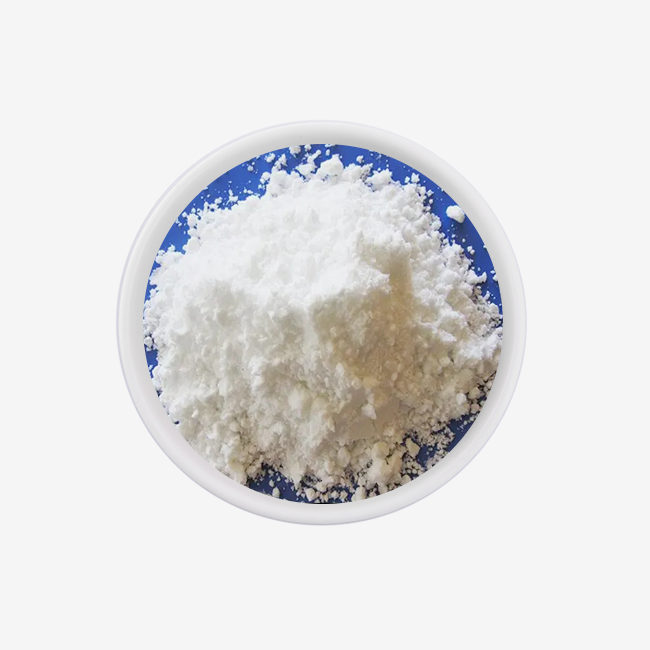
Fabric Fixing Solid Sodium Formate
CAS NO.: 141-53-7
Molecular Formula: HCOONa
Molecular Weight: 68.01
Character: White crystal powder.
Usage: Used in the production of Sodium Hydrosulfite, oxalic acid, and formic acid, oilfield development (oilfield drilling fluid, workover fluid, completion fluid), snow dissolving agent, mining, leather, printing and dyeing, etc.
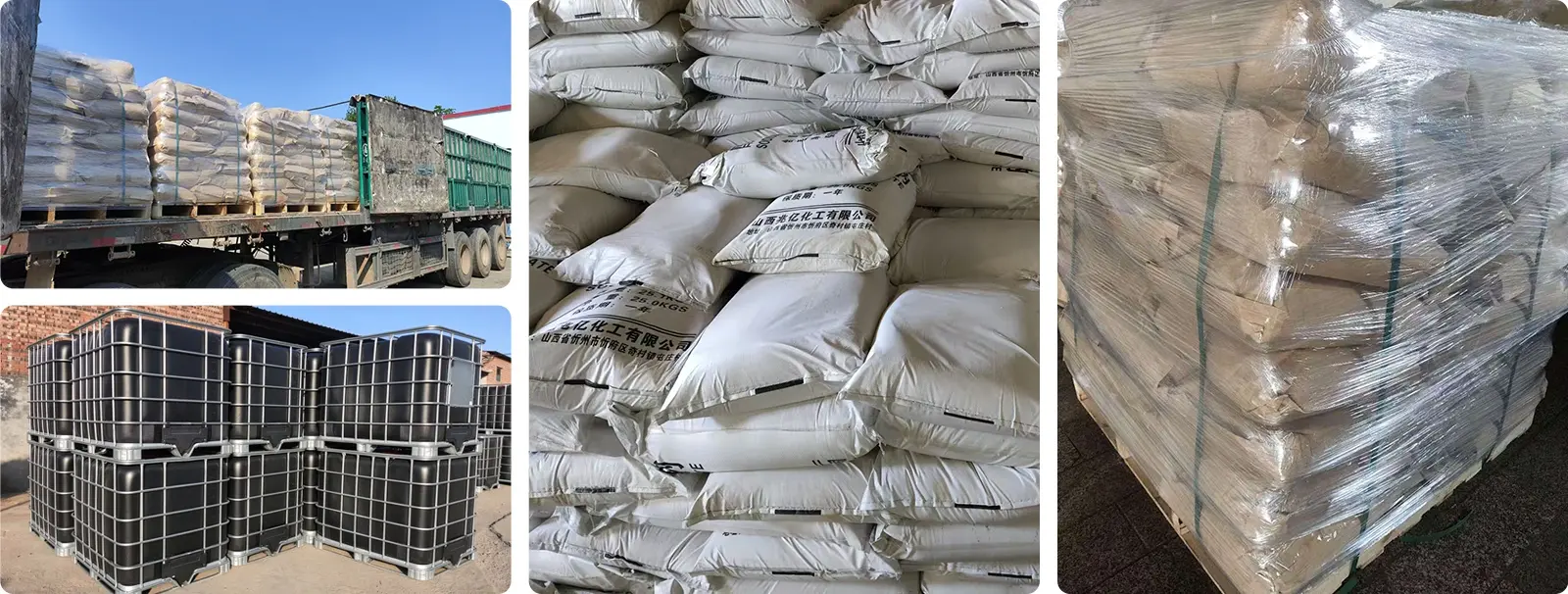
Package: 25kg plastic woven bag or 1000kg Ton-bag
Storage: It should be stored in a dry and ventilative warehouse, kept away from heat and moisture during transportation, unloaded with care so as to avoid damage. Furthermore, it must be stored separately from poisonous substances.
- Product Description
Fabric Fixing Solid Sodium Formate for Textile Dyeing | Stable pH Buffering & High Purity Solution
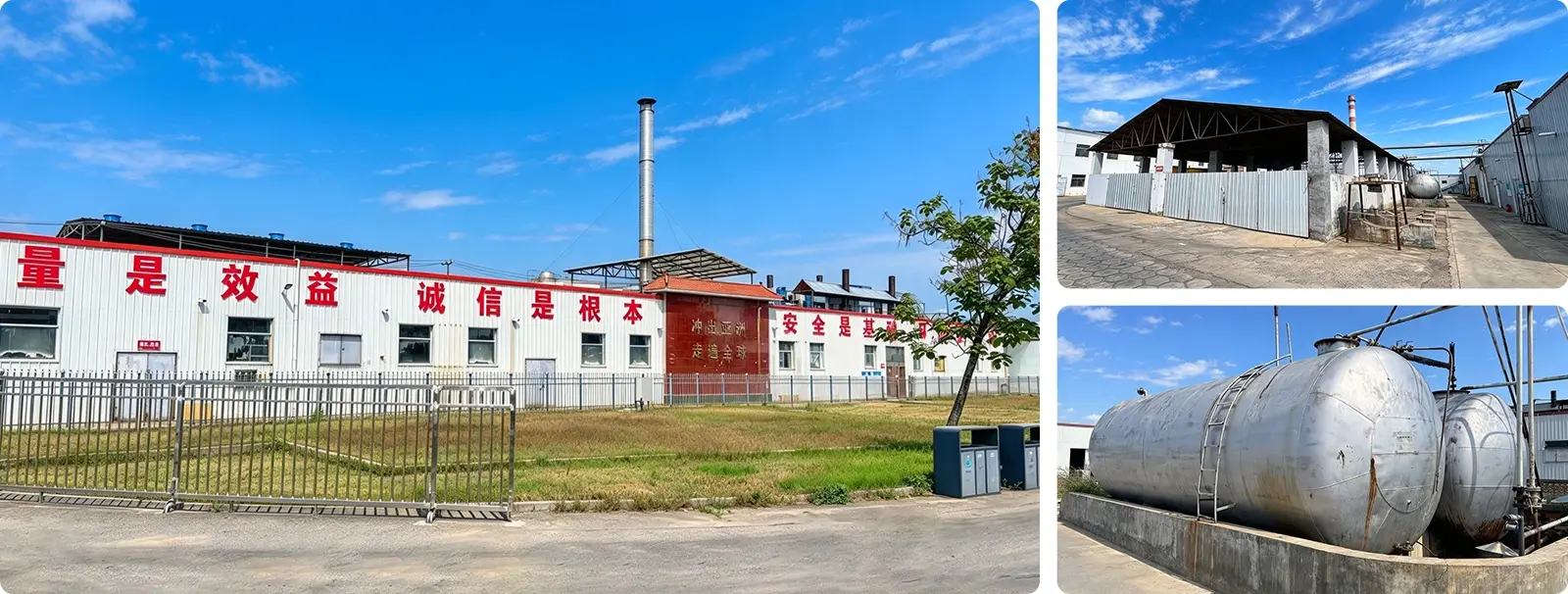
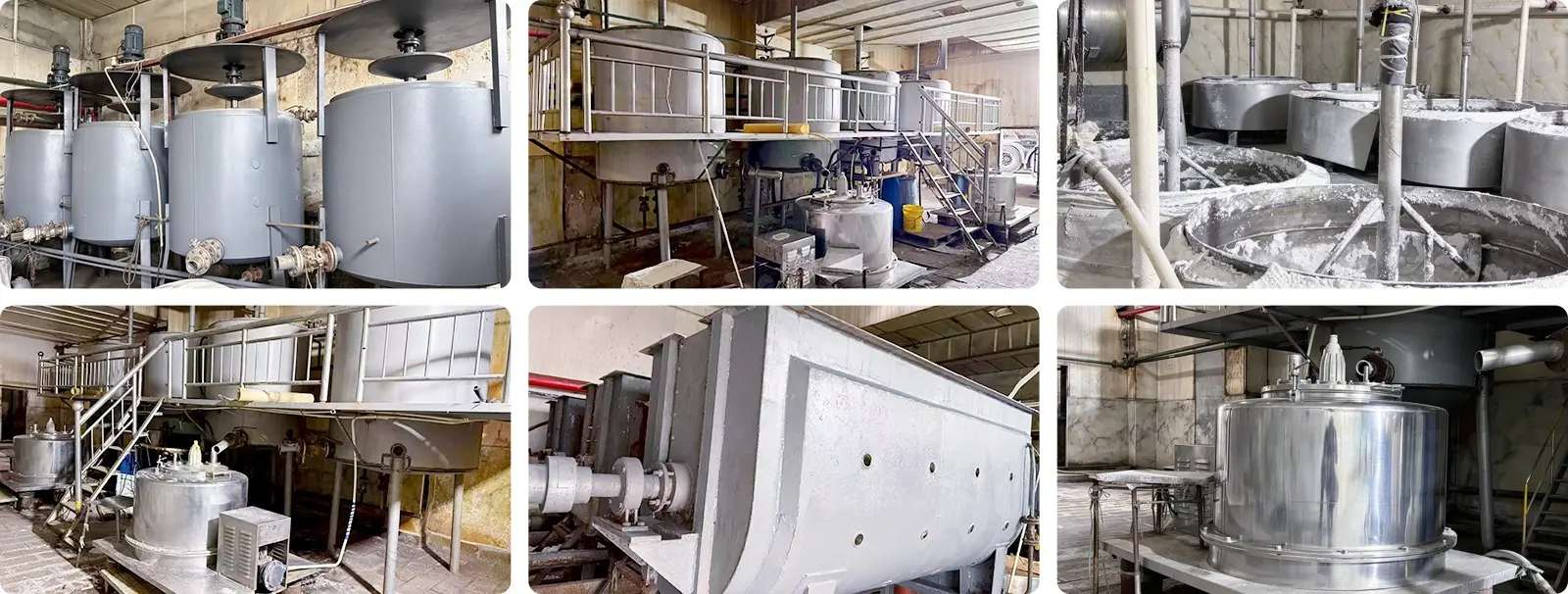
Fabric Fixing Solid Sodium Formate (HCOONa, CAS No. 141-53-7) is a crystalline organic salt of high purity for textile dyeing and printing industries. The sodium formate colour fixing agent comes with a purity of ≥98%, iron level ≤0.006%, and moisture ≤1.0% to give exact pH buffering in the range of 3.5 to 5.0. It protects natural fibres from acid damage, provides consistent dye penetration and increases colour fastness. Produced at a facility covering 27,000 m² with an annual capacity of 150,000 tons, Shanxi Zhaoyi Chemical Co., Ltd. has supported global textile customers since 1988 with consistent quality, flexible packaging, and fast delivery.
Technical Specifications
Parameter | Tech Grade Specification |
Content (HCOONa) | ≥95-98% |
NaOH | ≤0.5-1.0% |
Na₂CO₃ | ≤0.5-1.0% |
NaCl | ≤0.5% |
Na₂S | ≤0.02-0.05% |
Moisture | ≤0.5-1.0% |
Organic Substance | None |
Molecular Formula | HCOONa |
Molecular Weight | 68.01 |
CAS Number | 141-53-7 |
Appearance | White crystal powder |
Specific Gravity | Approx. 1.92 g/cm³ |
Water Solubility | ~97g/100ml at 20°C |
What Is Fabric Fixing Solid Sodium Formate?
Sodium formate is a white deliquescent crystalline powder, and has a little odour of formic acid. It is a sodium formate textile auxiliary used in the reactive and direct dye systems as a buffering and fixing agent.
Its main function is simple: stabilise dye bath pH, preserve fibre structure and encourage level dyeing. This is particularly crucial for operations sensitive to “acid shock,” which occurs when abrupt pH fluctuations cause streaking, uneven dyeing or fibre damage.
It is also commonly used in wool carbonising, to neutralise the remaining sulphuric acid in a milder way than soda ash, so that the softness and tensile strength of the fibre are retained.
Key Product Characteristics
High solubility for reliable dye bath performance
It is soluble to the extent of something like 97 g/100 ml at 20°C and dissolves swiftly and uniformly in dye baths. This avoids the danger of undissolved particles settling on the surface of fabrics.
Strong reducing power
It is useful in discharge printing due to its lowering capacity and also assists in stabilising sulphur dyes during processing.
Brilliant, true colours with low iron concentration
Iron (Fe) content is rigorously monitored at ≤0.006% . Even trace iron may react with dye chromophores to generate dull, muddy or off-tone colours – a major worry for brilliant and light-colored materials.
Free flowing dosage little moisture
The moisture content is maintained ≤1.0% for free flowing product and compatibility with automated dosing systems. Poor moisture control results in severe caking and production stoppage.
Application Areas
It is used as sodium formate dye fixing agent in different phases of textile wet processing.
Reactive and direct dyeing pH is controlled during dye fixation to minimise uneven absorption, streaking and hydrolysis of the dye.
Wool carbonising: A little neutralisation of the remaining sulphuric acid in the fibre protects its elasticity and handling. And it averts the danger of "alkali shock" which soda ash causes.
Discharge printing: Reducing properties support effective discharge of background dyes while protecting fiber integrity.
Enzyme bio-polishing: Compatible with enzyme finishing stages. It does not inhibit enzyme activity and helps maintain the pH window of 4.5–5.5 required for optimal enzyme performance.
Leather-textile composite treatment: Functions as a masking agent in combined processing to improve chemical environment stability.
Beyond textiles, sodium formate is used in the production of sodium hydrosulfite, oxalic acid, and formic acid, as well as in oilfield drilling fluids and snow melting agents.
Fabric Fixing Solid Sodium Formate vs Other Products
Feature | Fabric Fixing Solid Sodium Formate | Sodium Acetate | Soda Ash | Sulfate-Based Fixatives |
Molecular Weight | 68.01 | 82.03 | 105.99 | 140-240 (varies) |
Neutralization Efficiency | High per unit weight | Moderate | Very high (harsh) | Low |
pH Buffer Range | 3.5-5.0 (ideal for dyes) | 4.5-5.5 | 11-12 (too alkaline) | Variable |
Reducing Properties | Yes (beneficial) | No | No | No |
Fiber Protection | Excellent | Good | Poor (alkali damage risk) | Moderate |
Water Solubility | 97g/100ml at 20°C | 76g/100ml at 20°C | 21g/100ml at 20°C | Variable |
BOD in Wastewater | Low | Moderate | Very low | High |
Cost Efficiency | High | Moderate | High (but damage risk) | Low |
Heavy Metal Risk | <0.005% Fe | Variable | Trace levels | Often contains sulfates |
Quality Control Standards
Quality control is where this product differentiates itself from standard industrial-grade sodium formate.
Inductively Coupled Plasma (ICP) analysis is used for iron and heavy metal testing. Iron must be < 50 ppm Iron pollution may change the colouration of even dark textiles, rendering deep blacks yellowish, and can catalyse oxidative damage to fibres over time, decreasing the life of the garment.
Moisture and flowability are determined via Karl Fischer titration. The product is hygroscopic, thus each batch is tested to verify that the water content is within specification so that it can work reliably in automated manufacturing lines.
Chloride concentration is strictly managed at ≤0.03% to avoid corrosion of stainless steel dye vats – a typical operational problem for large-scale dyehouses.
Turbidity and insolubles tests confirms that no particle debris is in solution. Insoluble residue may settle on fabric surfaces generating speckling or uneven finishes.
The internal quality standards are in accordance with or exceed HG/T 5214-2017 (Industrial Sodium Formate) with extra stringent requirements relevant to textile applications.
Certifications & Compliance
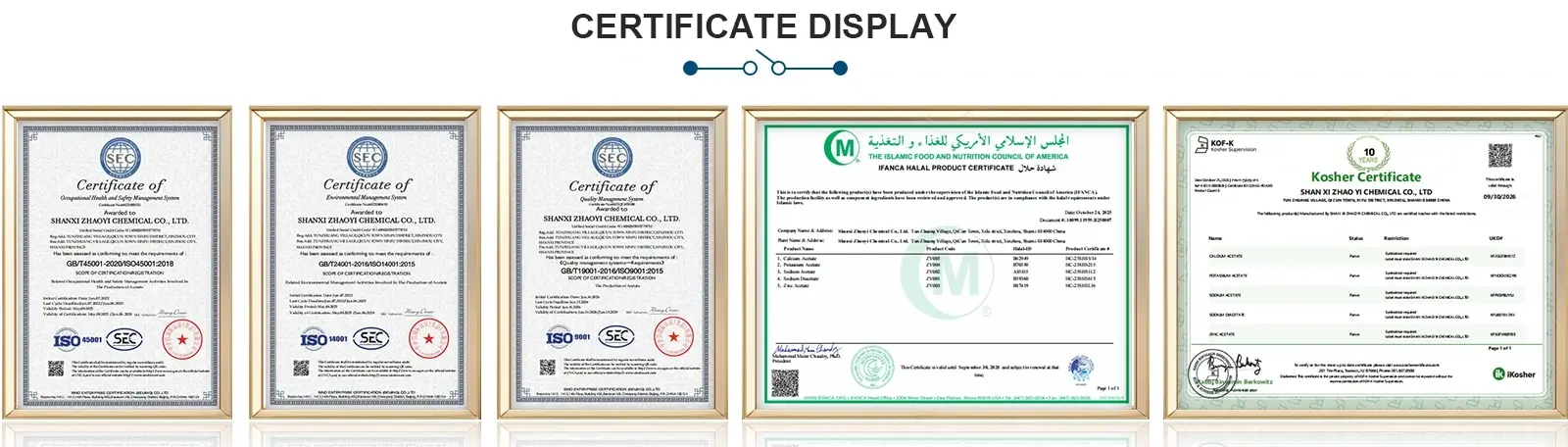
Shanxi Zhaoyi Chemical Co., Ltd. holds the following management system certifications:
- ISO 9001 — Quality Management System
- ISO 14001 — Environmental Management System
- ISO 45001 — Occupational Health and Safety Management System
- Kosher Certification
- Halal Certification (for applicable food-grade products)
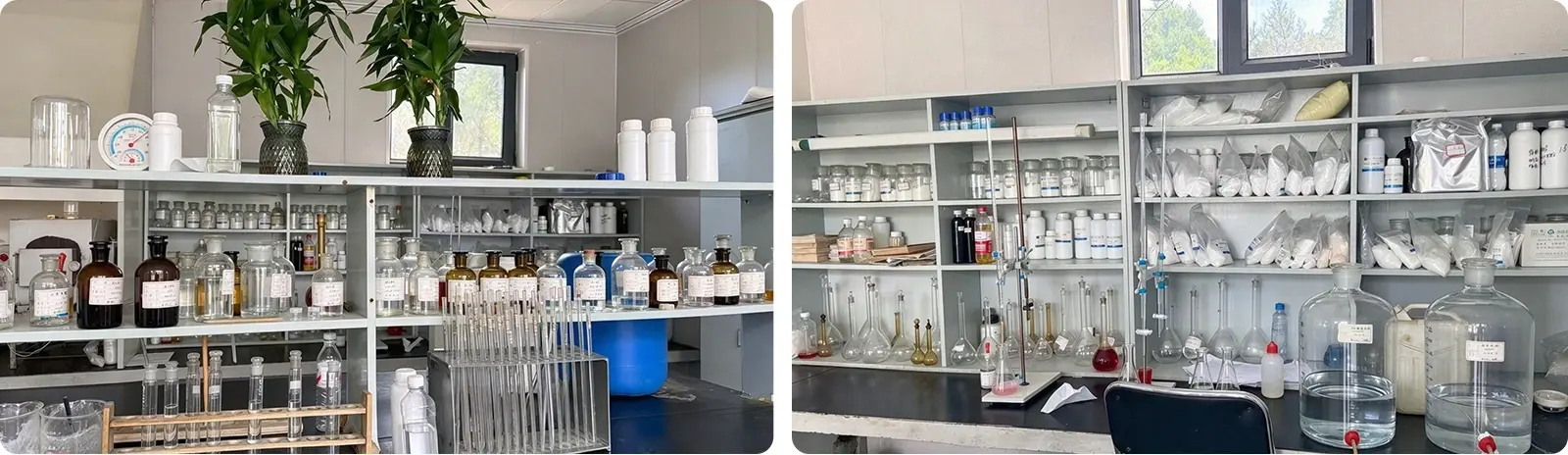
Multilingual MSDS, COA, and conformity documents are available upon request. On-site factory audits by international customers are supported. Third-party laboratory testing is accepted and encouraged.
Packaging & Storage
Available packaging:
- 25 kg PE-lined woven bag
- 1,000 kg ton bag
Storage requirements:
Store in a dry, well-ventilated warehouse. Keep away from heat and moisture during transportation. Handle with care to avoid package damage. Store separately from toxic substances.
Due to the Fabric Fixing Solid Sodium Formate's hygroscopic nature, pallets should be shrink-wrapped and storage humidity kept below 60% RH to prevent caking.
Our Customer
Our Exhibitions
FAQ
Q:Why is sodium formate instead of sodium acetate used for fixing of textile?
A: It has a smaller molecular weight and a higher reducing power than sodium formate. This implies that, per weight, less mineral acids are required to do the job, which translates into higher cost-efficiency and less BOD (Biological Oxygen Demand) in the wastewater treatment process – an obvious benefit for dye plants that want to be in compliance with environmental standards.
Q: How can we prevent the goods from caking in storage?
A: Store in humidity-controlled conditions below 60% RH in PE coated multi-ply bags. Keep store shrink-wrapped pallets away from direct dampness. If any caking develops, the chemical characteristics are generally still good but automated systems have problems with dosing.
Q: Does this product eliminate the remaining sulphuric acid in the wool carbonising process?
A: Yes. It neutralises the remaining sulphuric acid in the wool fibre more mildly than soda ash, therefore preventing alkali shock and keeping the soft handling and natural flexibility of the wool.
Q: Is iron content important when dying dark or black fabrics?
A: Yes. Even on black materials, iron pollution may change the shade tone and catalyse oxidative fibre damage over time, reducing the garment’s lifetime. Fe control ≤ 0.006% for any colour.
Q: Is this product compatible with enzyme biopolishing?
A: Yeah. It does not interfere with the activity of the enzyme but helps to actively maintain the pH range 4.5-5.5 necessary for optimum enzyme function in the finishing step.
Q: What documents can you supply for import compliance?
A: We provide multilingual MSDS, COA, ISO certificate and Halal/Kosher certificate. We also can help with the chemical import processes, shipping papers and customs clearance assistance.
Contact Us
Need samples, technical data sheets, or a competitive quote for Fabric Fixing Solid Sodium Formate? Contact us at sxzy@sxzhaoyi.com — our team responds within 2 hours.

USER EVALUATE
Here is the customer's evaluation of us