



Sodium acetate-based carbon source series for municipal wastewater treatment plants
Insufficient influent carbon sources mean that denitrifying bacteria have no accessible organic matter in municipal wastewater, and this may cause fluctuations in effluent total nitrogen. Liquid sodium acetate, sodium acetate trihydrate, anhydrous sodium acetate and composite carbon source are suitable for specific operating conditions. Selection should be made through a comprehensive consideration of the scale of treatment, quality of influent water, dosing method, ambient temperature and operating costs.
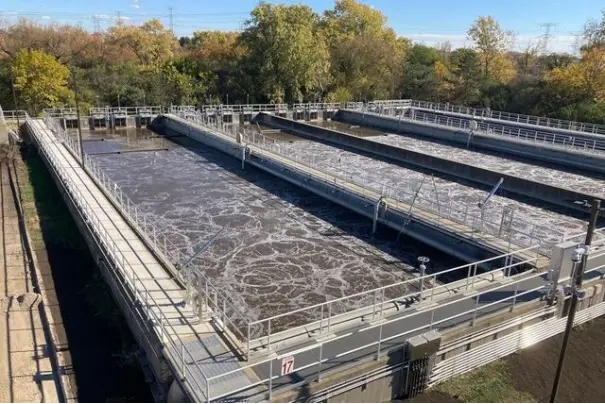
1. Liquid Sodium Acetate (Industrial Grade, 20% or 25%)
What It Does: Used as an external carbon source for the denitrification step of municipal wastewater treatment. It supplies easily accessible organic carbon to the denitrifying bacteria, causes the reduction of nitrate nitrogen to nitrogen gas, helps make the effluent total nitrogen stay in the discharge standard, and has a buffering impact on the pH of the biochemical system.
Product Features: The liquid product may be introduced directly into the dosing system without the need to dissolve it on site, enabling continuous and measured dosage. Sodium acetate is non-flammable and explosive, which makes storage, shipping and on-site processing more easy. Compared with other carbon sources such as methanol and starch, sodium acetate has a quicker starting and better bioavailability.
Application guidelines: Dosage should be determined by influent BOD5, total nitrogen and nitrate-nitrogen levels and desired effluent criteria. In reality, a C/N ratio of not less than 4:1 may be used as a starting point, and can be adjusted according to the results of bench-scale experiments or operational data on site. Typical dosage concentrations are between 30 and 50 mg/L and the product may be dosed to the denitrification zone using a metering pump and adjusted based on real time water quality data.
Note: Crystallisation of the substance may take place at low temperature. Thermal insulation measures should be provided to storage tanks and pipes. Overdosing will increase the effluent COD and will increase the cost of chemicals .
2. Sodium Acetate Trihydrate (Industrial Grade, 58%–60%)
Primary Application: Routine carbon replenishment for small to medium-scale wastewater treatment facilities. It may give some degree of pH buffering for biochemical systems.
Product Features: The solid product is easy to carry and store, has good stability of purity, is handy for on-site solution production, and is applicable to intermittent dosing.
Recommended use: Usually make an aqueous solution of 20% to 30% in a mixing tank, then add to the denitrification step using a metering pump. Actual dose should be dependent on influent total nitrogen levels and operational data.
The solid is very hygroscopic. Store in a firmly closed container after opening. When making the solution, swirl very well so that anything that didn't dissolve doesn't become stuck in the dosage lines.
3. Anhydrous Sodium Acetate (Industrial Grade, 98%–99%)
Main Applications: High active ingredient content, suitable for working situations with large carbon source shortages, large variation of influent total nitrogen or short-term emergency carbon replenishment.
Product Features: Requires less solid form for the same effective carbon requirement, has fewer contaminants, has a reasonably long shelf life, and is generally less hygroscopic than sodium acetate trihydrate.
Usage recommendation: Preparation as an aqueous solution of 10% to 20% for dosage. It may also be used in conjunction with liquid sodium acetate to balance operational convenience and overall expense during ordinary operation.
Precautions: Dissolution is exothermic. Control rate of addition and tank temperature. High concentration solutions may crystallise at low temperatures.
4. Composite Carbon Sources
Primary Application: Suitable for wastewater treatment systems requiring long-term, continuous carbon supplementation, or those subject to significant fluctuations in operating conditions, such as low temperatures or low loads.
Product Features: The mix of several carbon source ingredients may result in a generally constant carbon supply method. Some formulations with low freezing points are more convenient for winter usage; real nitrogen removal and sludge generation should be assessed depending on the formulation used and on-site circumstances.
Use recommendations: The product may usually be directly metered into the denitrification stage using a metering pump. Dilution and dosage concentration choices should be based on supplier specifications, bench scale test results, and on-site water quality.
Note: Effective carbon content and raw material composition of complex carbon sources are quite different. Prior to purchase, confirm COD equivalent, low temperature stability and bioavailability and confirm performance by bench scale testing. Store in firmly sealed containers to avoid contamination for long term storage.
Project Application Case Studies
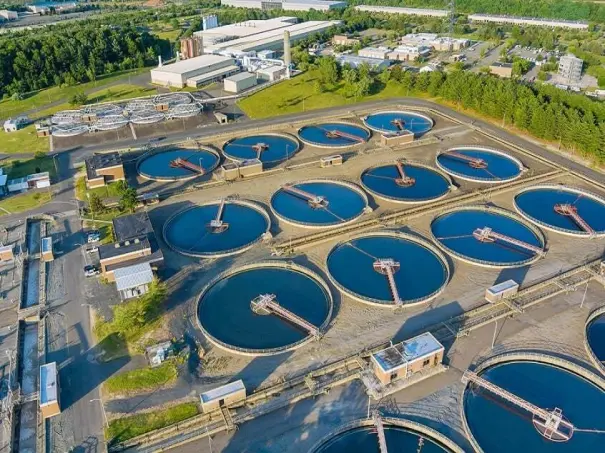
The municipal wastewater treatment plant was planned with a treatment capacity of 160,000 m3/d and runs in line with the Class 1A standard of the *Discharge Standard of Pollutants for Municipal Wastewater Treatment Plants*. The influent characteristics were BOD5 of 262.5 mg/L and total nitrogen (TN) concentration of 70 mg/L, which gave a carbon to nitrogen ratio of about 3.75:1. Due to the inadequate carbon supply, the effluent TN concentration has always been fluctuating between 18 and 22 mg/L.
The factory converted to 25% industrial-grade liquid sodium acetate with an initial dose concentration of 33.7 mg/L and adjusted the feed rate using an automated dosing system depending on influent water quality. According to the operation data, the total nitrogen in the effluent was always less than 10 mg/L, and other indicators such as COD and ammonia nitrogen also satisfied the criteria. The yearly operating expenses were reduced by ~12% compared to the prior methanol-based strategy and the safety management load related to the handling of combustible sources of carbon was removed. The given statistics are particular to the operational circumstances of this project, calculations for other projects must be re-evaluated according to their individual water quality and process characteristics.

USER EVALUATE
Here is the customer's evaluation of us