



Application of Carbon Sources in Wastewater Treatment for the Chemical and Printing & Dyeing Industries
Industrial wastewater discharged from chemical production, textile printing and dyeing and other industries generally has problems of high nitrate-nitrogen concentration, great water quality difference between batches and lack of carbon source, which reduce the denitrification efficiency and cause instability of effluent total nitrogen or COD. When choosing an external carbon source, procurement prices should not be the only factor, but effective carbon content, requirements for dosing system, chemical compatibility and safety management on site should also be taken into account.
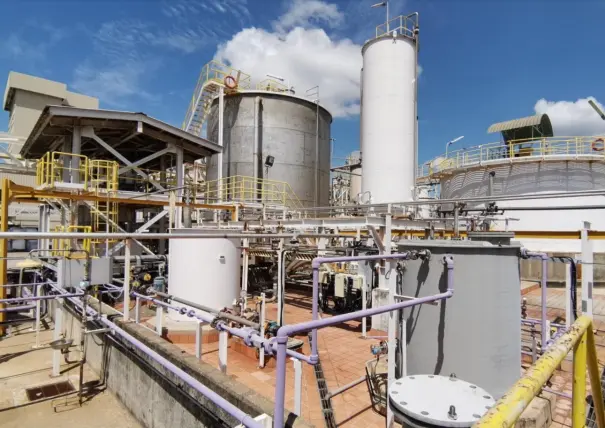
1. Liquid Sodium Acetate (Industrial Grade, 20% or 25%)
Main applications: It may be used as a carbon source for denitrification of industrial wastewater, so that bacteria can have a readily available carbon source, and in certain slightly acidic wastewaters, it can also be used to buffer the pH of the system.
Product Features: It is liquid, and so does not need to be dissolved on site. It may be dosed automatically and continuously. Sodium acetate is non-flammable and non-explosive, therefore it is reasonably easy to store and handle on site. It is well bioavailable and normally does not leave persistent carbon source residues.
dose recommendations: The dose should not be based on a single constant concentration, given the complex composition of industrial effluent. A first calculation may be conducted on the basis of a C/N ratio of not less than 4.5:1, with a typical reference concentration of 40-60 mg/L, and adjusted on the basis of the total nitrogen, the nitrate nitrogen and the COD of the effluent.
Low temperatures might lead to crystallisation. Ensure sufficient insulation of pipes and storage tanks. Over dosing will raise the effluent COD and the operational expenses.
2. Sodium Acetate Trihydrate (Industrial Grade, 58%–60%)
Uses: Suitable for normal carbon dosing in small and medium sized chemical or textile print and dyeing operations. Also suitable for making up solutions and adding doses in batch manufacturing processes.
Product Features: It is simple to carry and store because of its solid shape and the concentration may be modified according to needs on site; the preparation process is easy to manage owing to the constant purity and flowability of the product.
Usage recommendations: Prepare a 20 to 30 % aqueous solution and dose into the denitrification stage. Dose dependent on influent total nitrogen concentration. Do not prepare solution in the same tank as strong acid reagents.
Precautions: Close after opening and keep against moisture. If the solution is not well stirred during preparation, clumps may form or pipes may clog.
3. Anhydrous Sodium Acetate (Industrial Grade, 98%–99%)
Primary Uses: For use in high-nitrate-nitrogen, high-loading or variable water-quality circumstances; also may be used as an emergency carbon source.
Product Features High amount of active substance Low dose for the same carbon source request Low level of contaminant Suitable for long term storage
Suggested dosage: Can be formulated as 10% to 20% aqueous solution for dosing. It may be used with liquid sodium acetate for long term operation to balance the burden of solution preparation and consumption expenses.
Precautions: Dissolving is an exothermic process, hence water temperature and rate of addition must be regulated. Be on the lookout for crystallisation danger while keeping high concentration solutions at low temperatures.
4. Composite Carbon Sources
Main Application: It is suitable for industrial wastewater treatment systems with complicated water quality, large load changes, or low water temperatures in winter.
Product Features: Multi-component formulation with accessible carbon sources for various phases. The compatibility with other treatment agents, low-temperature performance and changes in surplus sludge must be validated by real testing.
Recommended Use: The substance may usually be dosed straight to the denitrification stage. Decisions on dilution and dose should be made based on the effective carbon content of the product, influent water quality, and on-site bench scale testing findings.
Note: The composition of composite carbon sources differs greatly across manufacturers. Compare COD equivalents, bioavailability, amounts of impurities and stability before you purchase. Store in sealed condition.
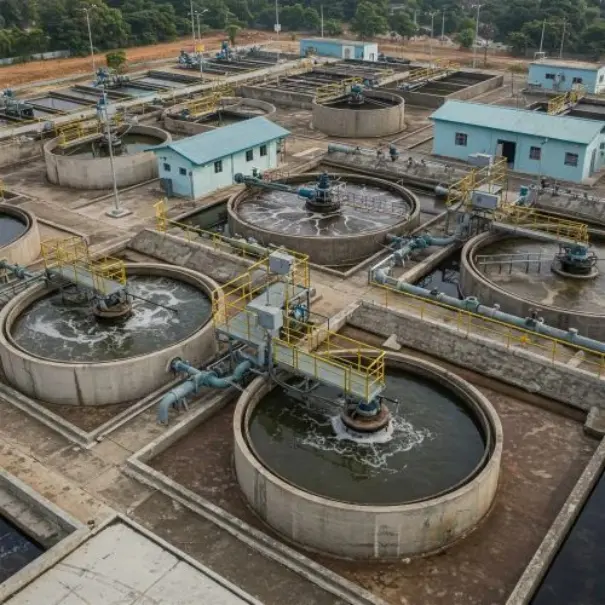
Project Application Case Studies
A textile printing and dyeing firm has a wastewater treatment facility with a capacity of 20,000 m 3 /d. The influent total nitrogen (TN) content is typically 45 mg/L with a carbon-nitrogen (C/N) ratio of around 2.8:1. The effluent TN often exceeded regulatory limits owing to limited indigenous carbon sources. The industrial sodium acetate solution 25% was used to produce 45 mg/L of the business and was changed according to the water quality. The operation data showed that the effluent TN was always below 8 mg/L, COD and colour satisfied the project control criteria. The denitrifying efficiency increased 62% and the yearly treatment cost fell 14% in comparison with the carbon source method. The findings are valid for a given set of water quality and process parameters. Actual projects need pre-bench scale testing and economic analysis.

USER EVALUATE
Here is the customer's evaluation of us