



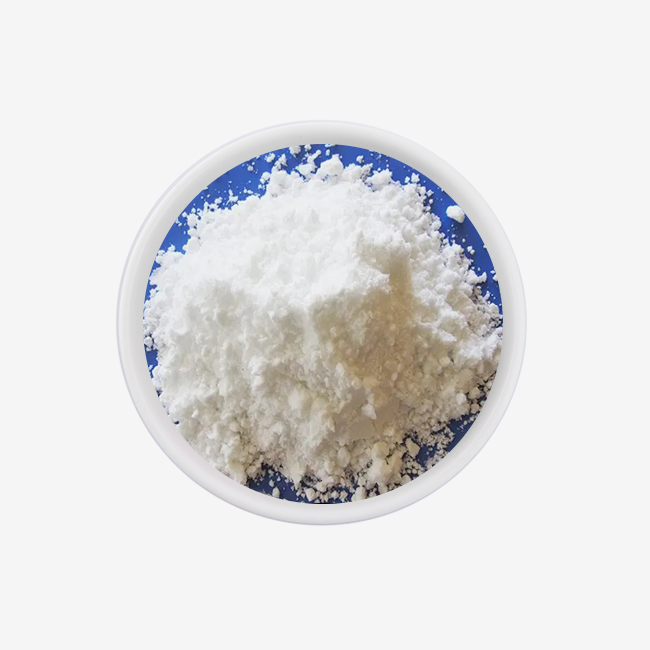
Snow Melting Solid Sodium Formate
CAS NO.: 141-53-7
Molecular Formula: HCOONa
Molecular Weight: 68.01
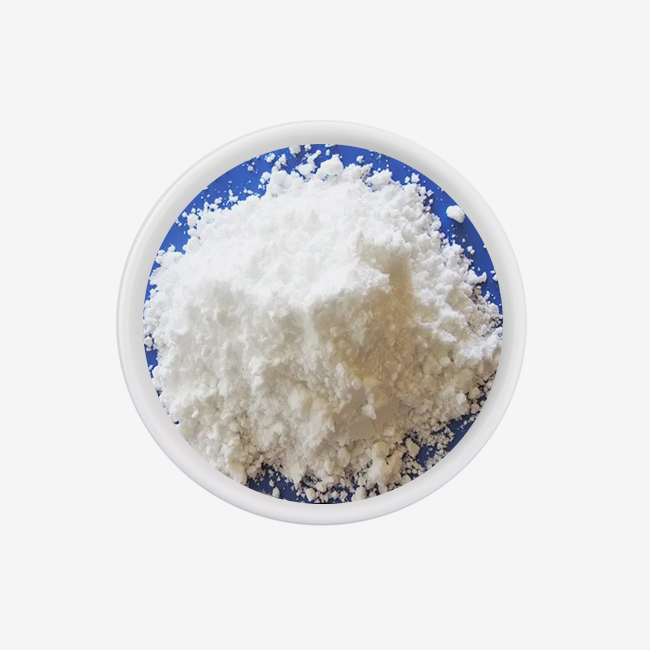
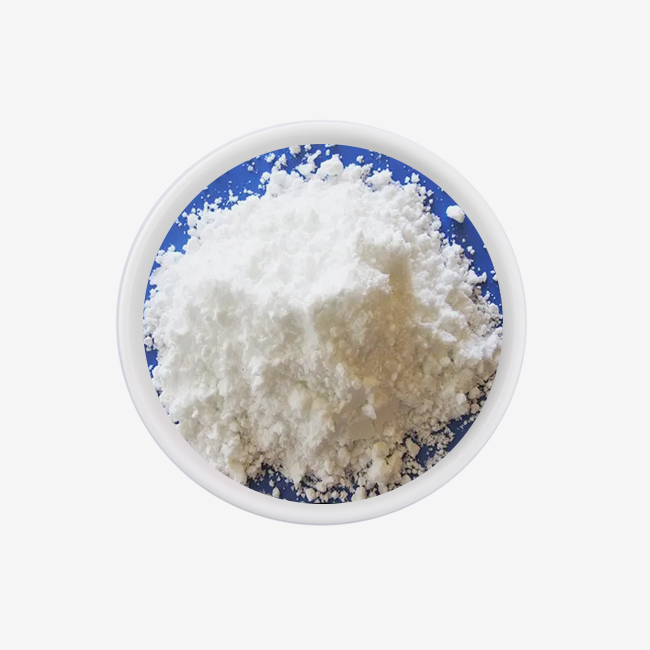
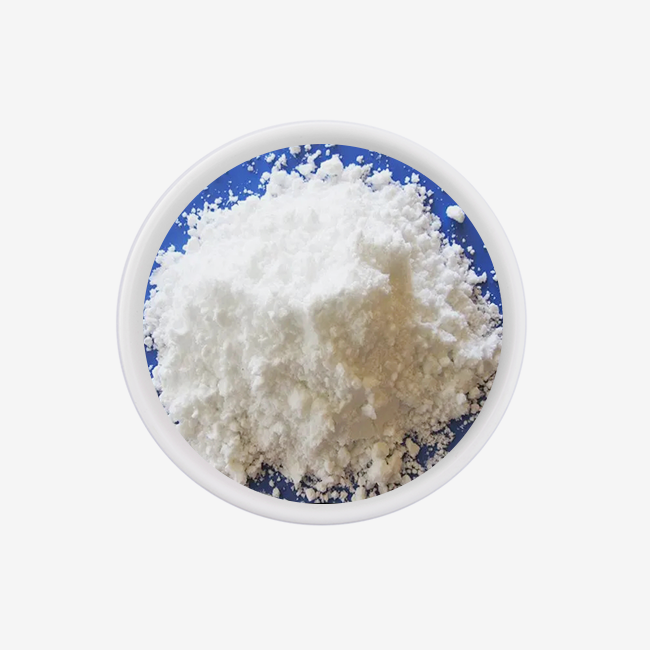
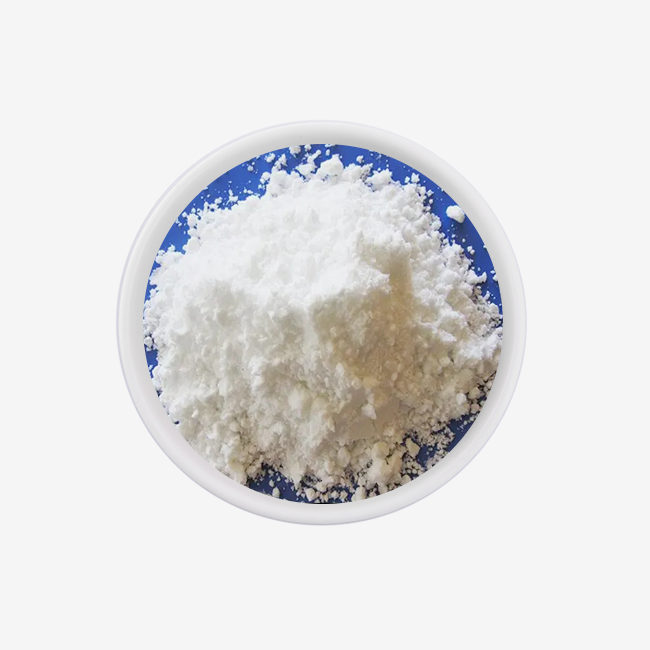
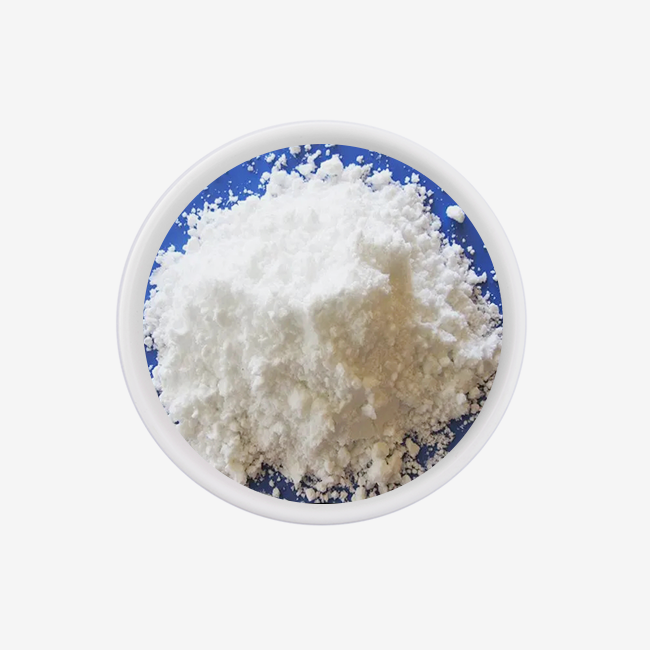
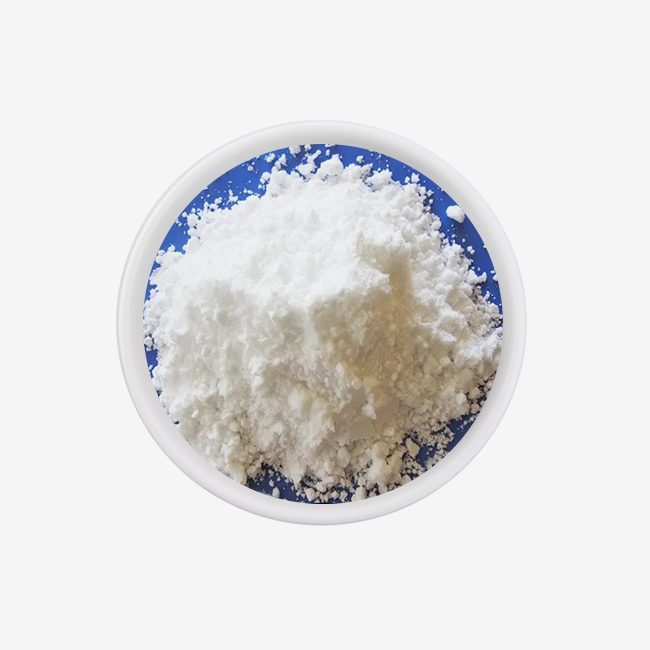
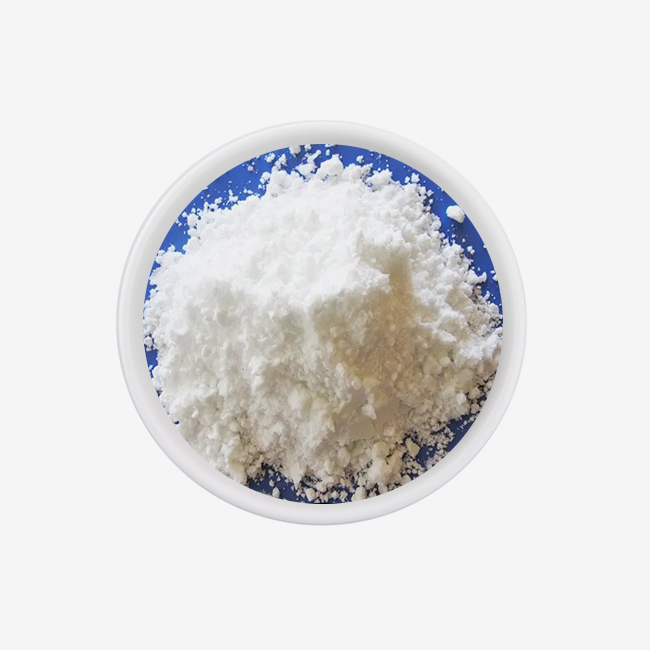
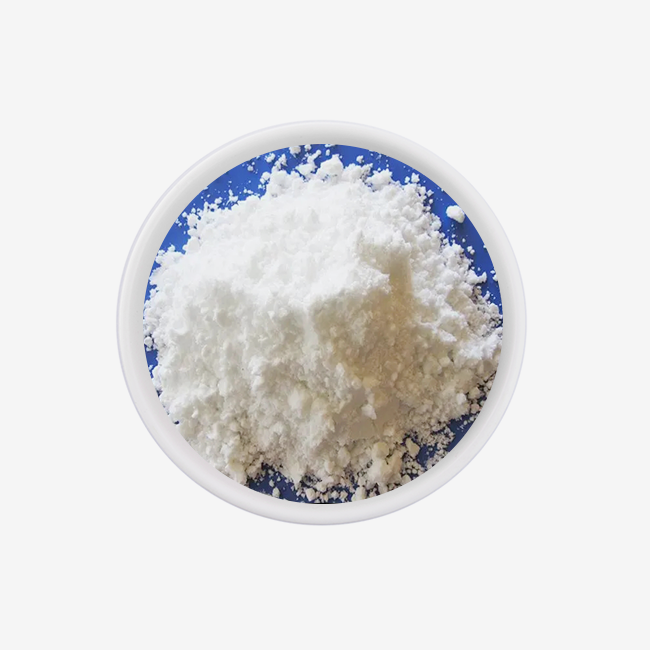
Character: White crystal powder.
Usage: Used in the production of Sodium Hydrosulfite, oxalic acid, and formic acid, oilfield development (oilfield drilling fluid, workover fluid, completion fluid), snow dissolving agent, mining, leather, printing and dyeing, etc.
Package: 25kg plastic woven bag or 1000kg Ton-bag
Storage: It should be stored in a dry and ventilative warehouse, kept away from heat and moisture during transportation, unloaded with care so as to avoid damage. Furthermore, it must be stored separately from poisonous substances.
- Product Description
Snow Melting Solid Sodium Formate — Eco-Friendly Deicing Agent for Infrastructure Protection
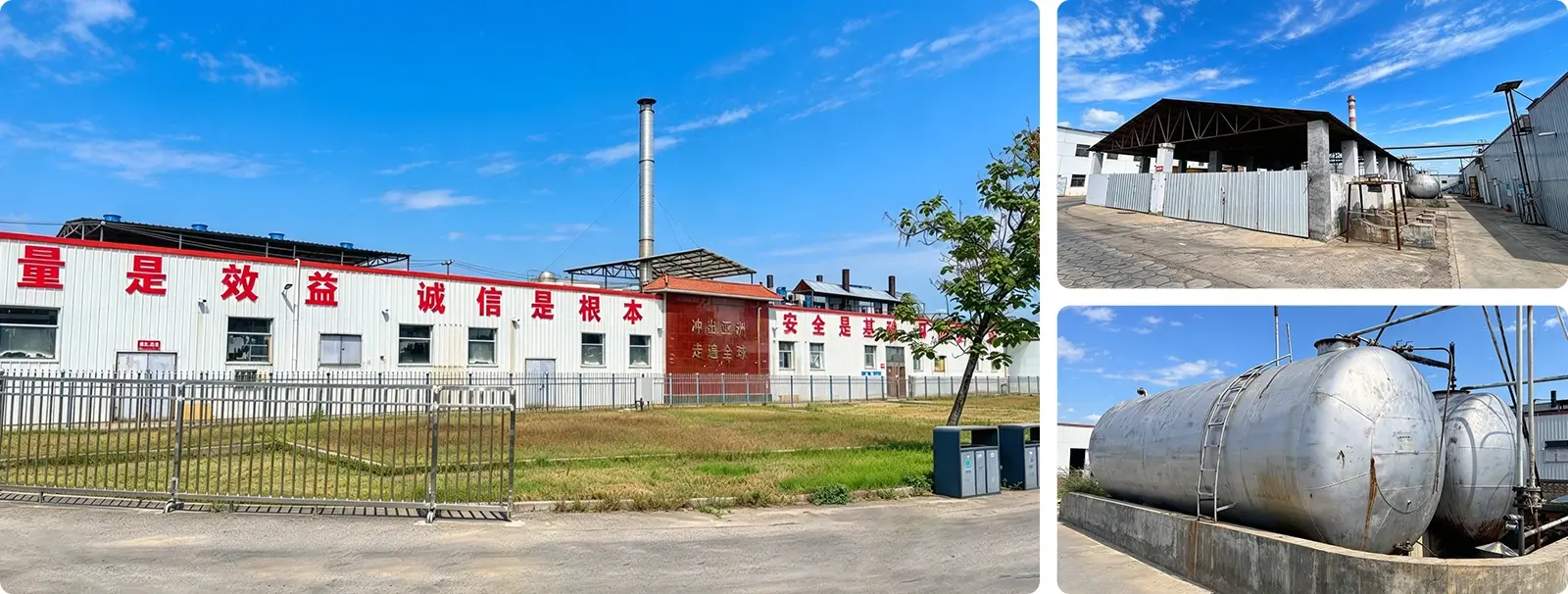
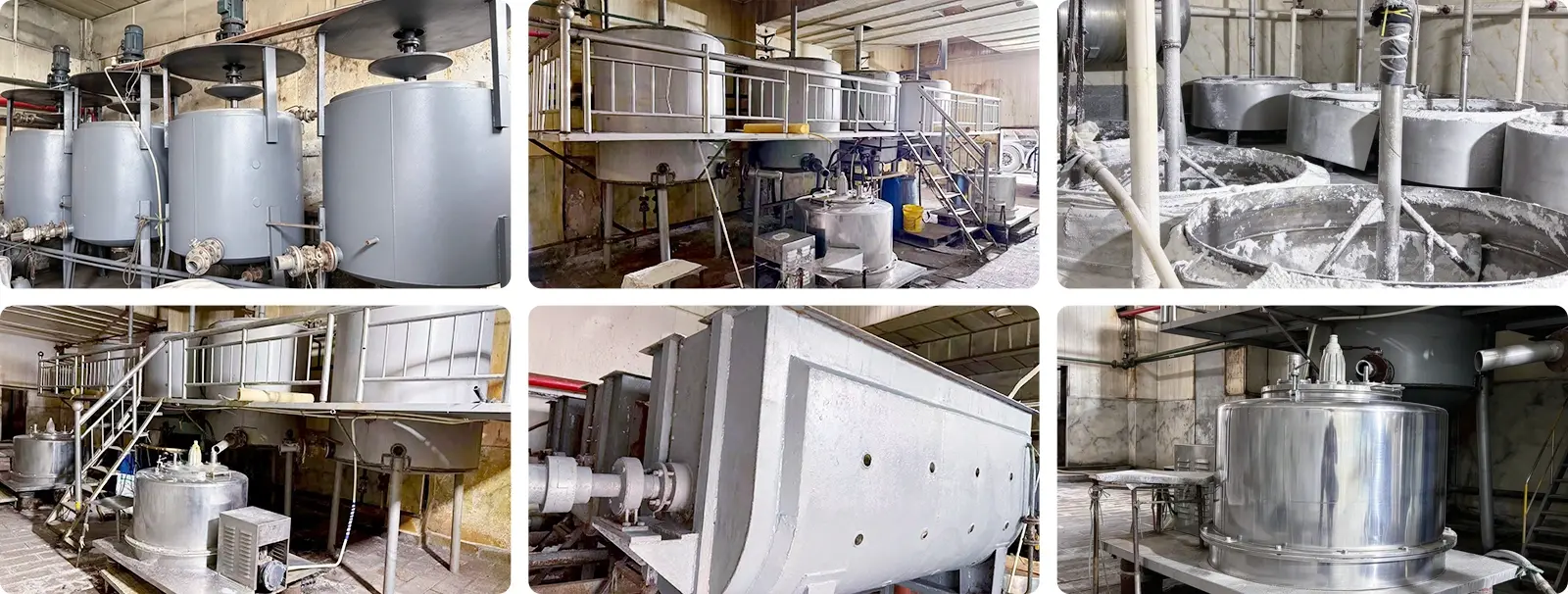
Snow Melting Solid Sodium Formate (CAS No. 141-53-7, HCOONa) is a high grade, non-chloride organic deicer for use in situations where corrosion control and the environment are important. It is a white, crystalline powder with a molecular weight of 68.01, and it can lower the freezing point to -18 °C. Instead of being like other chloride salts, this sodium formate chemical melts snow. It also saves important structures from rusting and soil salinisation, like airport platforms and steel-reinforced bridges. Shanxi Zhaoyi Chemical Co., Ltd., founded in 1988, produces this product with an annual capacity of 150,000 tons across a 27,000 m² facility.
What Makes This Product Different From Chloride Deicers
The two big concerns with traditional rock salt and calcium chloride are that they eat away at metal and they destroy the surrounding ecosystems. Sodium formate is a different story.
It lowers the freezing point of water . By an organic chemical process , not by ionic chloride reaction . So no corrosion on rebar, no pitting on aluminium alloy surfaces, no osmotic shock to plant roots near treated areas.
Another essential characteristic is its biodegradability, which means it breaks down into water and carbon dioxide and does not bioaccumulate in the soil or waterways. This is a huge win for procurement teams entrusted with environmental compliance.
Technical Specifications
Parameter | Specification |
CAS Number | 141-53-7 |
Molecular Formula | HCOONa |
Molecular Weight | 68.01 g/mol |
Appearance | White crystal powder |
Purity (Content) | ≥95-98% |
Sodium Hydroxide (NaOH) | ≤0.5-1.0% |
Sodium Carbonate (Na₂CO₃) | ≤0.5-1.0% |
Sodium Chloride (NaCl) | ≤0.5% |
Sodium Sulfide (Na₂S) | ≤0.02-0.05% |
Moisture Content | ≤0.5-1.0% |
Organic Substance | None |
Effective Temperature Range | Down to -18°C (-0.4°F) |
Eutectic Temperature | Approximately -22°C |
pH Value | Neutral to slightly alkaline |
Key Physical and Chemical Properties
The product appears as a white crystalline powder with high hygroscopicity and water solubility. Its exothermic dissolution property is a practical advantage — when it contacts ice or compacted snow, heat is released during dissolving, accelerating penetration into the ice layer faster than endothermic alternatives.
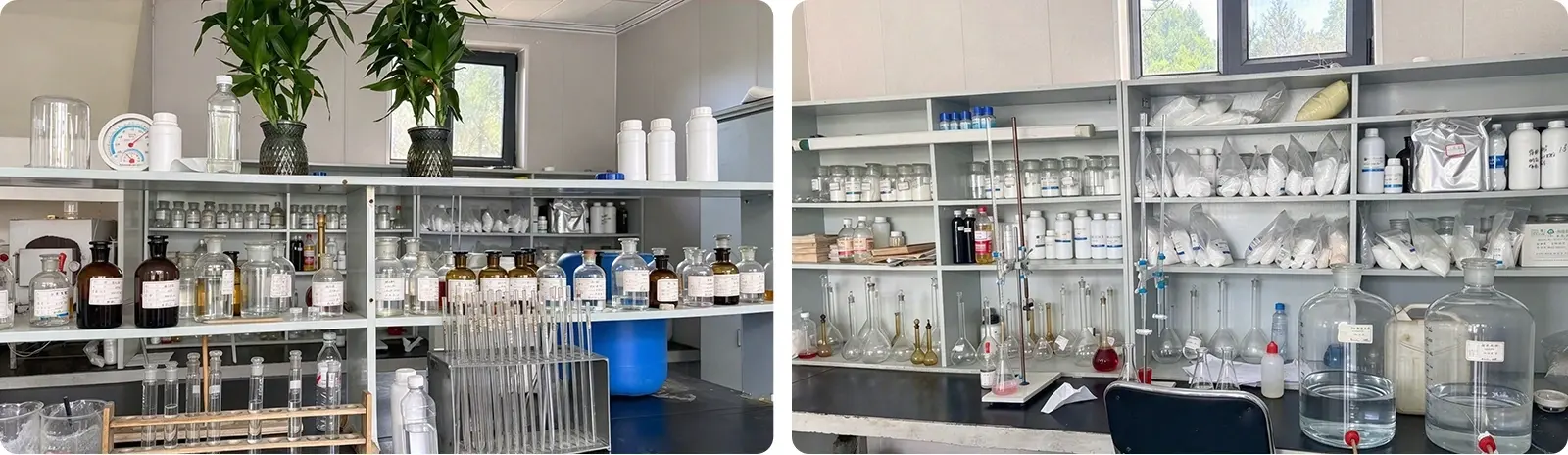
Purity control is kept at ≥97.0% to make sure that the maximum amount of active melting power is used per kilogram. The moisture level is kept below 0.5% to keep mechanical spreaders working well and to keep things from sticking together while they're being stored.
The pH ranges from neutral to slightly alkaline (7.0 to 11.0), so it won't make drainage water more acidic or damage finished concrete surfaces through the interaction between alkali and silica.
Application Scenarios
Runways and Taxiways at Airports
That's the key B2B use case. Chloride salts are strictly prohibited in aviation conditions since they damage aluminum alloy aircraft components and carbon brake systems. It satisfies the corrosion performance criteria of the product as shown by aerospace testing standards such as SAE AMS 1431, thereby making it the certified product for runway, taxiway and apron deicing.
Urban Bridges and Steel-Reinforced Overpasses
Chloride ions slowly seep into concrete and damage the interior rebar, a process frequently known as "concrete cancer." The use of a sodium formate ice melter on these structures rather than chloride products may greatly improve service life by avoiding chloride driven spalling and rust development.
Environmentally Sensitive Zones
Parks, golf courses, and areas near groundwater reservoirs benefit from sodium formate's low biological oxygen demand (BOD) profile. Unlike urea, which releases ammonia and triggers algae blooms, sodium formate degrades cleanly and can even act as a mild carbon source upon breakdown — protecting expensive landscaping rather than damaging it.
Recommended Dosage
Anti-icing (preventive application): 15–25 g/m²
De-icing (bonded ice removal): 30–50 g/m², adjusted for ice thickness and ambient temperature
Snow Melting Solid Sodium Formate vs Other Products
Feature | Sodium Formate | Sodium Chloride | Calcium Chloride | Urea |
Effective Temperature | -18°C | -10°C | -25°C | -7°C |
Corrosion Level | Very Low | High | Very High | Low |
Environmental Impact | Biodegradable | Soil/water pollution | High salinity damage | Ammonia release (toxic) |
Concrete Safety | Excellent | Causes scaling | Accelerates deterioration | Moderate |
Metal Compatibility | Safe for aluminum | Highly corrosive | Extremely corrosive | Non-corrosive |
Application Duration | Long-acting | Short-term | Moderate | Short-term |
BOD Load | Low | N/A | N/A | High (algae blooms) |
Cost Efficiency | Premium | Low-cost | Moderate | Low |
Aviation Approval | AMS 1431 compliant | Not approved | Not approved | Declining use |
Quality Control Standards
For B2B buyers, product quality goes beyond a purity certificate. Rigorous QC for this product covers multiple dimensions:
Corrosion Inhibition Testing verifies that the product will not pit aluminum or steel surfaces. This is assessed through Sandwich Corrosion Tests and Total Immersion Corrosion Tests aligned with ASTM F483 and AMS 1431 specifications.
Particle Size Distribution (Sieve Analysis) assures 1-6 mm granulometry uniformity. Uniform particle size is critical to mechanical spreader operation – tiny dust floats in wind, larger clumps clog machinery.
Heavy Metal Analysis for lead (Pb), cadmium (Cd) and mercury (Hg) to confirm the non-existence of industrial by-product pollution, an important part for environmental compliance documentation.
Snow Melting Solid Sodium Formate Solubility and PH Verification Water soluble matter above 99.8% to ensure that the drainage infrastructure is not blocked. The PH of the 15% solution is between 7.0 and 11.0.
Certifications & Compliance
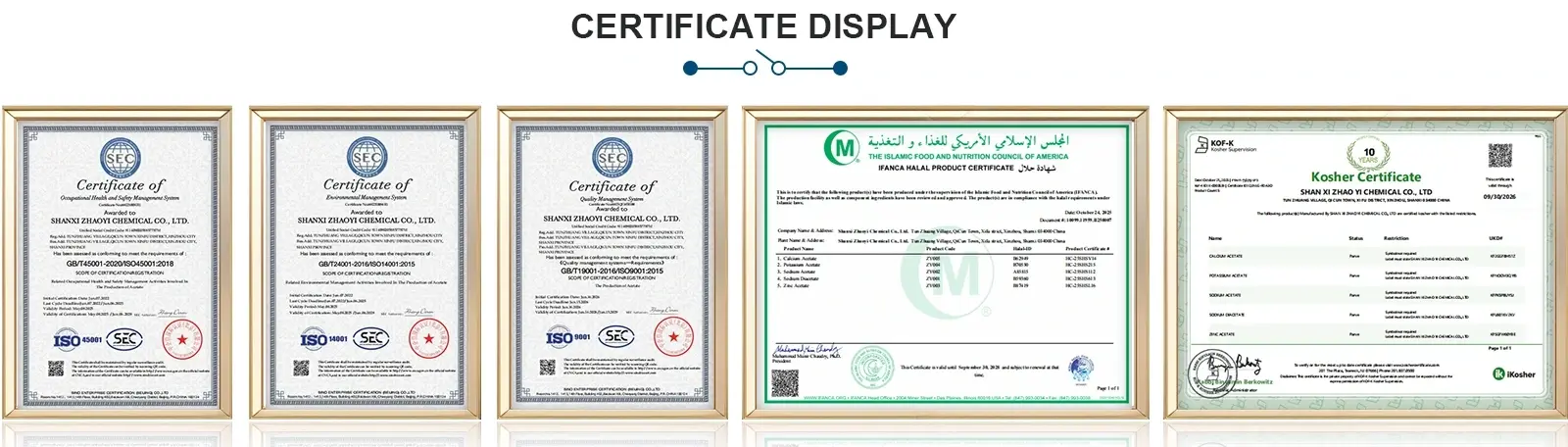
Shanxi Zhaoyi Chemical Co., Ltd. maintains internationally recognized management system certifications:
- ISO 9001 — Quality Management System
- ISO 14001 — Environmental Management System
- ISO 45001 — Occupational Health and Safety Management System
Kosher Certification
Halal Certification (applicable food-grade products)
The company also supports on-site factory audits by domestic and international customers. Multilingual MSDS, COA, and conformity documents are available upon request, supporting import and export compliance requirements across multiple markets.
Packaging, Storage, and Logistics
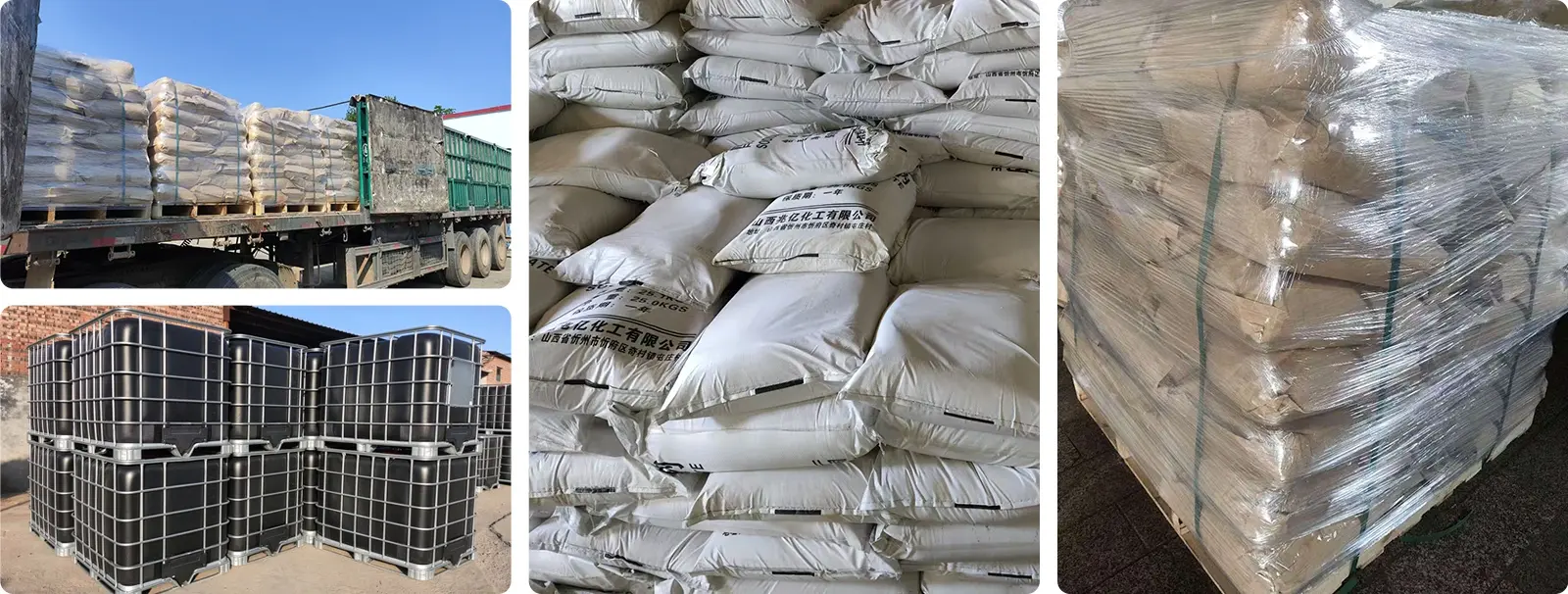
Available packaging:
- 25 kg plastic woven bag (PE inner liner + PP outer)
- 1,000 kg ton bag
The product is hygroscopic and so must be stored properly. Store in a dry, well-ventilated warehouse, away from heat and moisture. Handle with care while shipping to avoid damage to the bag. Keep away from hazardous substances.
Shanxi Zhaoyi Chemical offers FOB, CIF and DAP shipping options. Standard manufacturing lead time: 5-7 working days. Stock orders may be sent within 24 hours if we have stock on hand. The organization works with international goods forwarders to provide inexpensive and dependable logistics solutions.
FAQ
Q: How does the product compare to urea for airport use?
A:Aviation uses Sodium formate is a much superior product than urea. Urea's effective temperature limit is about -7°C, but sodium formate works consistently down to -18°C. Decomposition of urea also releases ammonia which causes algal development in adjacent waters. Sodium formate has a substantially lower BOD and breaks down neatly.
Q: is it safe on concrete and asphalt surfaces?
A: Yes. It does not induce alkali-silica interactions, unlike certain mineral salts, and does not lead to the freeze-thaw structural damage that happens when plain water refreezes within fissures. Safe for cured concrete and bituminous surfaces.
Q: What is the general basis for the pricing of the sodium formate ice melter?
A: The pricing of sodium formate ice melter depends on order quantity, purity grade, packing type and delivery conditions. Shanxi Zhaoyi's large-scale manufacturing capacity and optimised logistics are beneficial for ensuring competitive price. Contact the team for an estimate personalised to your requirements.
Q: Do you need any specific storage conditions?
A: Yup. It is hygroscopic and should be kept in a dry ventilated warehouse, in sealed double-layered bags. Hardening or caking may occur from exposure to ambient humidity, which can impact flowability in spreading equipment.
Q: Can it be used with other deicers?
A: It is chemically compatible with some of the chloride compounds, but in high standard applications such as aviation, mixing is usually not recommended. Mixing it with chlorides cancels the environmental and anti-corrosion advantages of the pure product.
Q: What documentation is available for import compliance?
A:Shanxi Zhaoyi provides multilingual MSDS, COA, and conformity certificates. The company also supports customs clearance documentation and on-site factory audits for buyers requiring supply chain verification.
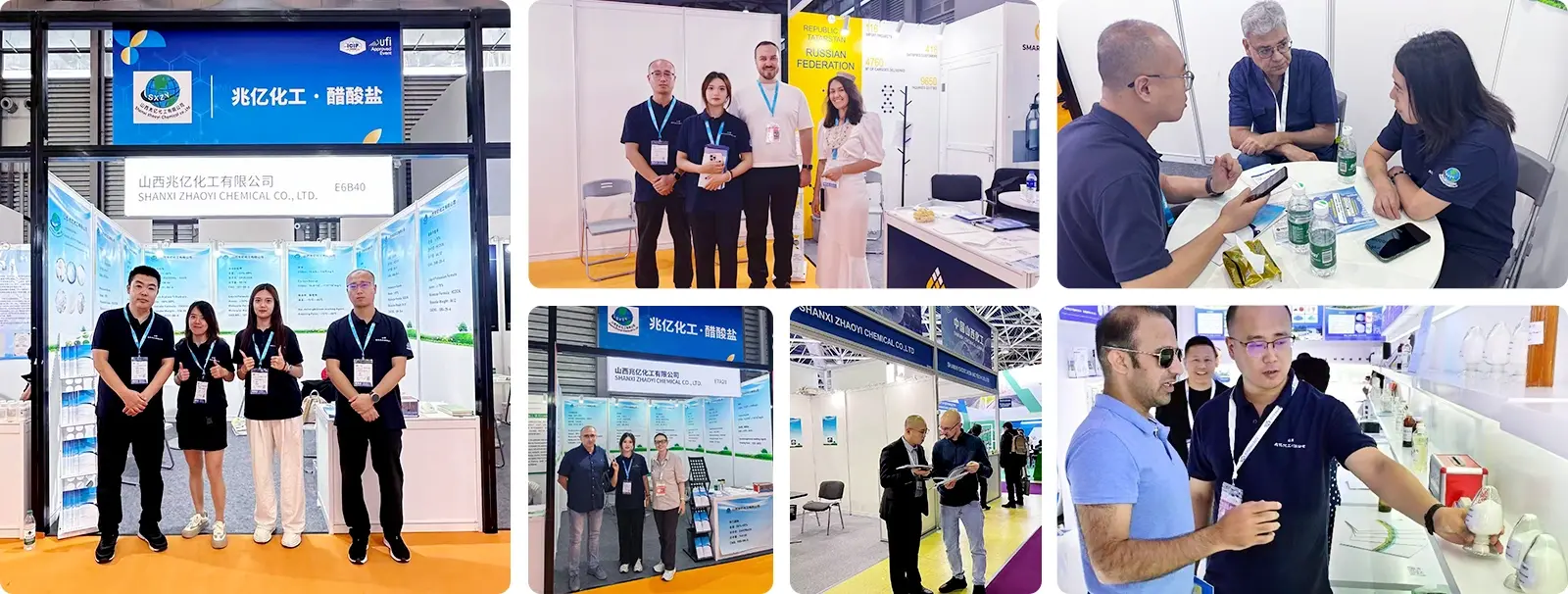
Our Exhibitions
Contact Us
Ready to source Snow Melting Solid Sodium Formate? Send your inquiry to sxzy@sxzhaoyi.com — our team responds within 2 hours.

USER EVALUATE
Here is the customer's evaluation of us
YOU MAY LIKE
 VIEW MOREIndustrial Solid Sodium Formate
 VIEW MORELeather Solid Sodium Formate
 VIEW MOREFur Processing Solid Sodium Formate
 VIEW MOREFabric Fixing Solid Sodium Formate
 VIEW MOREDrilling Solid Sodium Formate
 VIEW MOREDeicing Solid Sodium Formate
 VIEW MOREPrinting & Dyeing Solid Sodium Formate
 VIEW MOREOilfield Solid Sodium Formate