



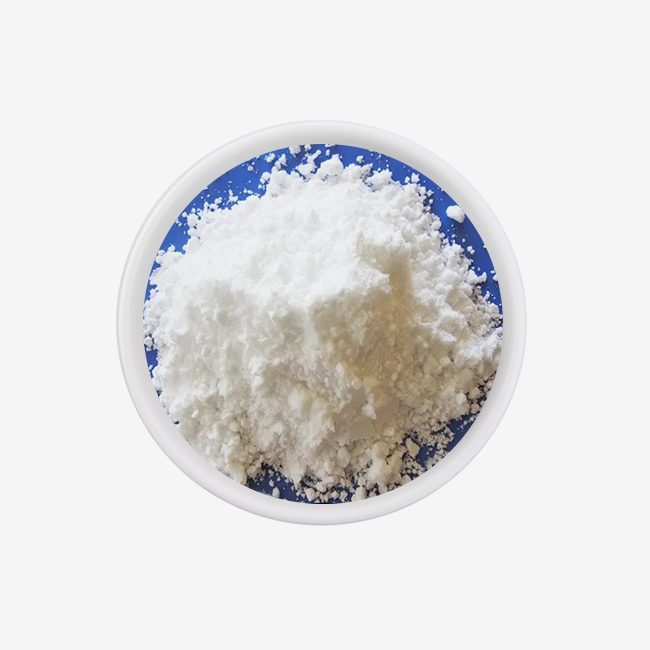
Deicing Solid Sodium Formate
CAS NO.: 141-53-7
Molecular Formula: HCOONa
Molecular Weight: 68.01
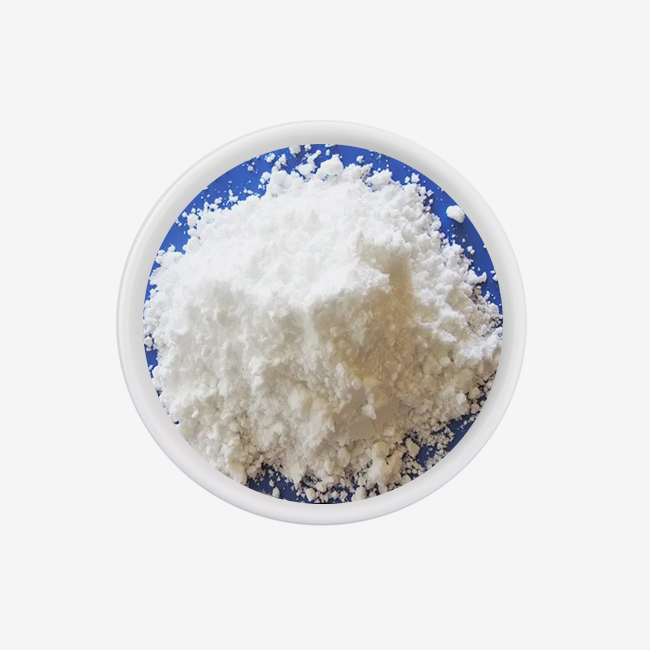
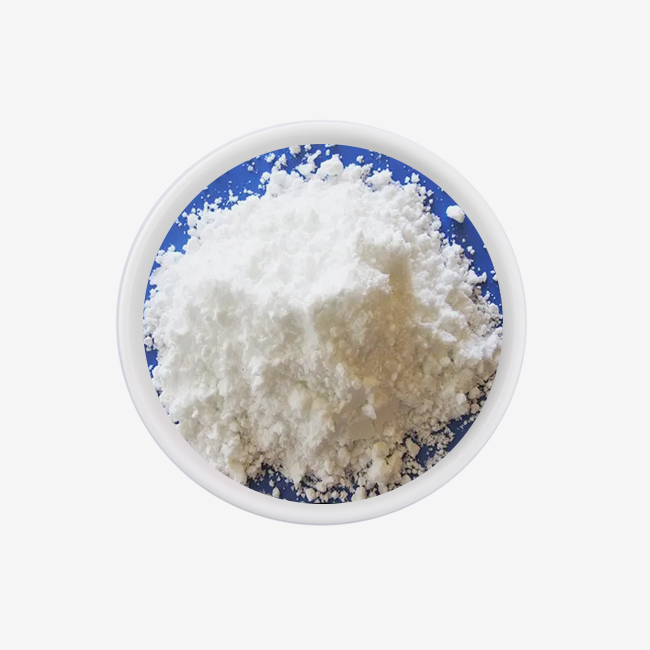
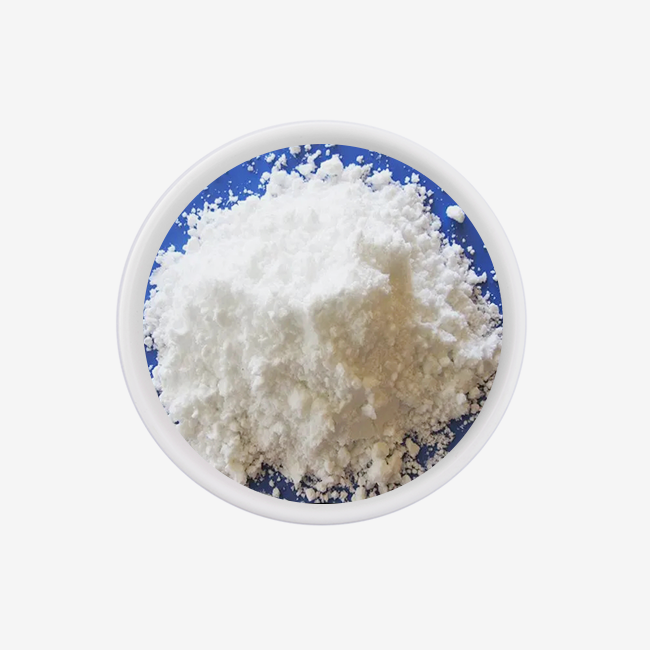
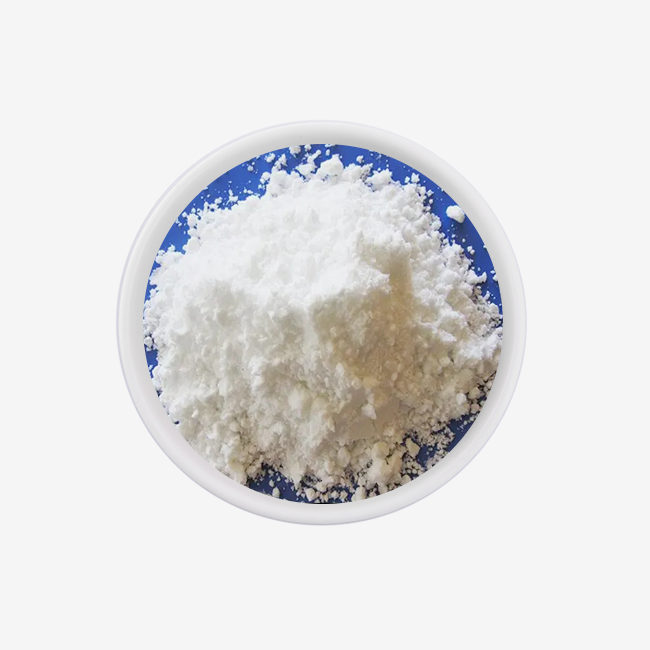
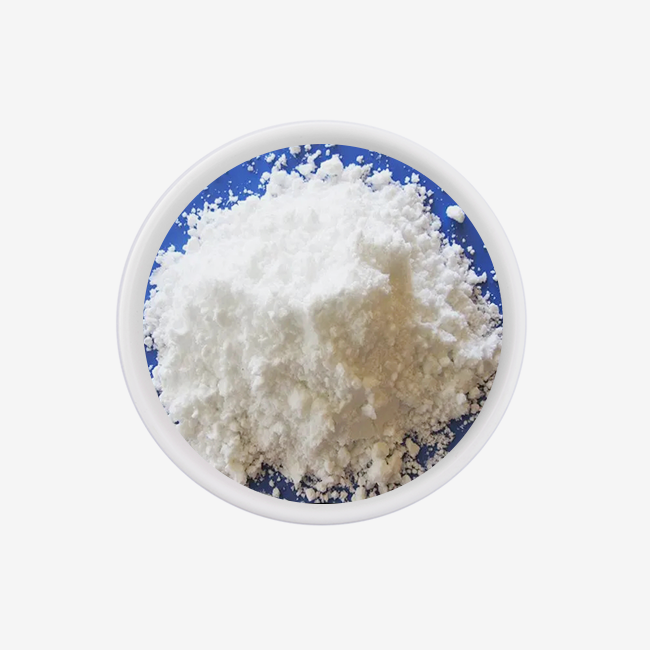
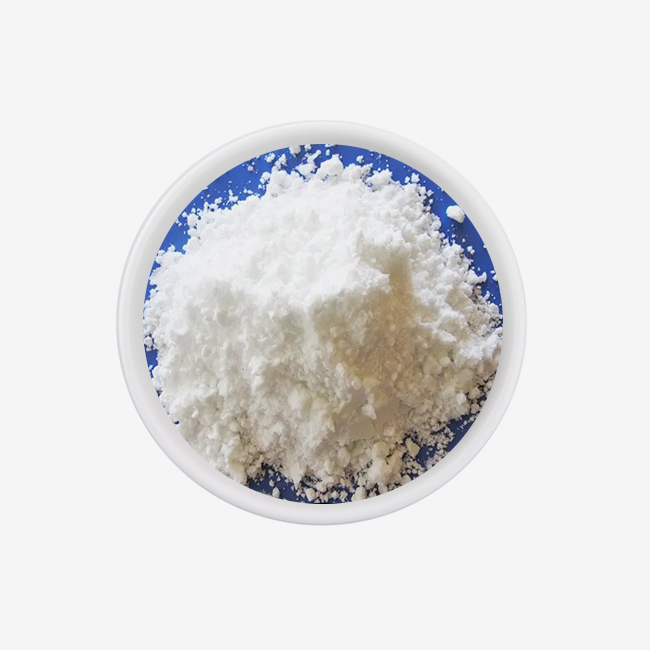
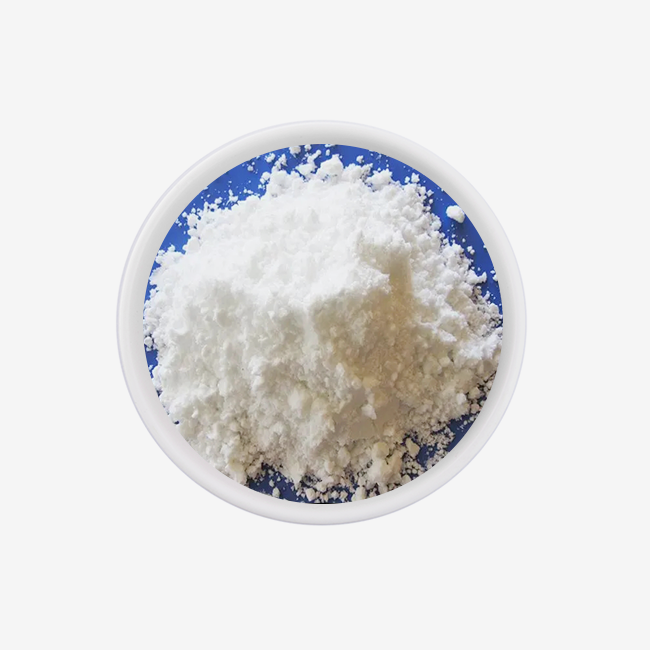
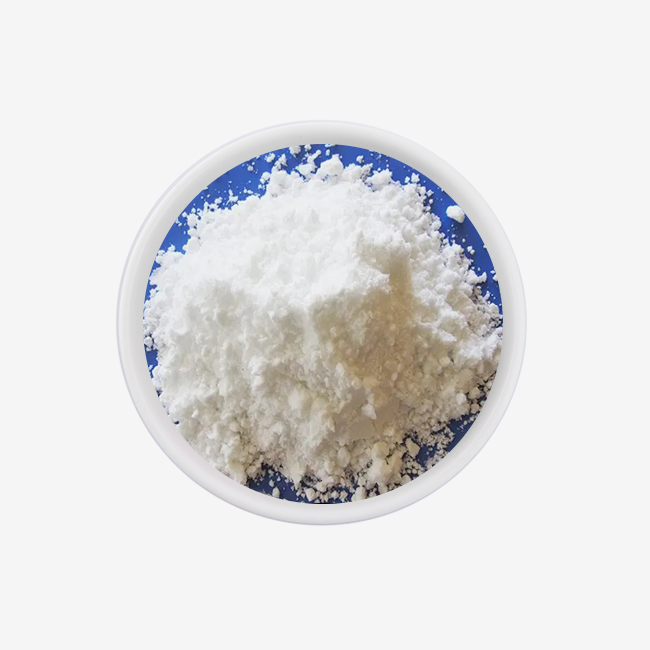
Character: White crystal powder.
Usage: Used in the production of Sodium Hydrosulfite, oxalic acid, and formic acid, oilfield development (oilfield drilling fluid, workover fluid, completion fluid), snow dissolving agent, mining, leather, printing and dyeing, etc.
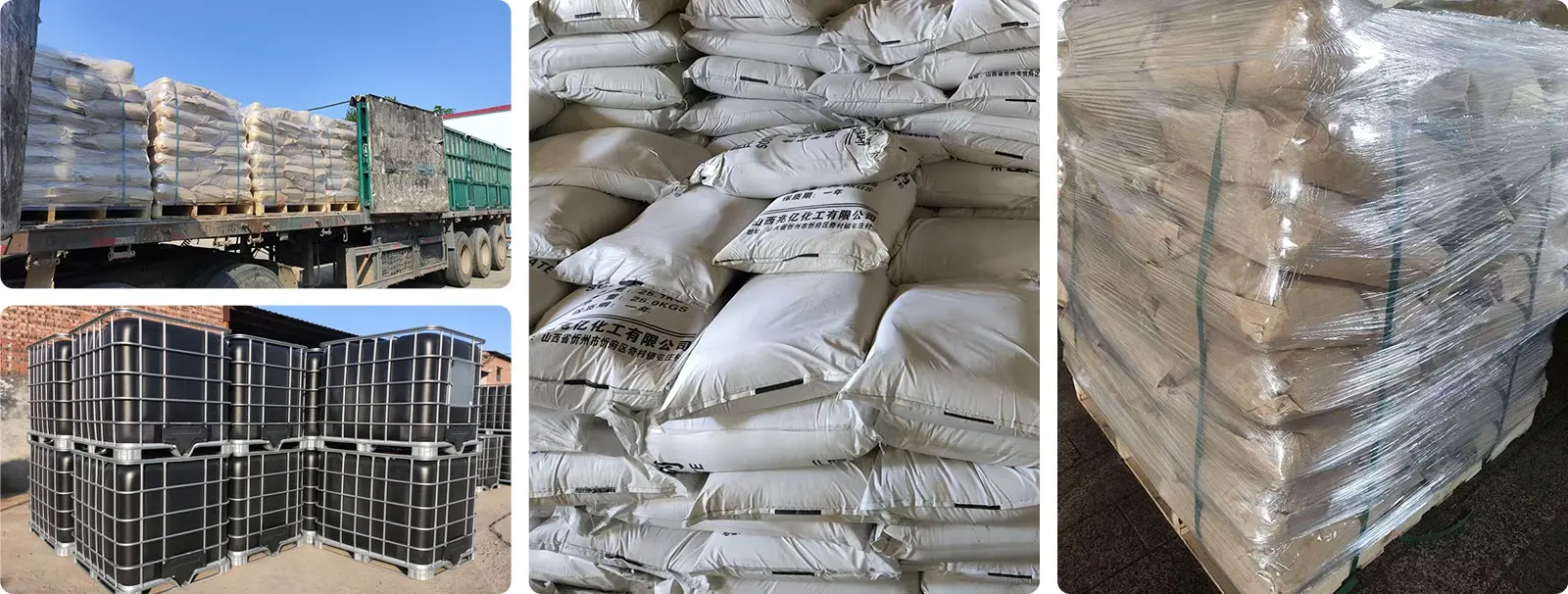
Package: 25kg plastic woven bag or 1000kg Ton-bag
Storage: It should be stored in a dry and ventilative warehouse, kept away from heat and moisture during transportation, unloaded with care so as to avoid damage. Furthermore, it must be stored separately from poisonous substances.
- Product Description
Deicing Solid Sodium Formate — Airport-Grade Non-Chloride Deicer for Critical Infrastructure
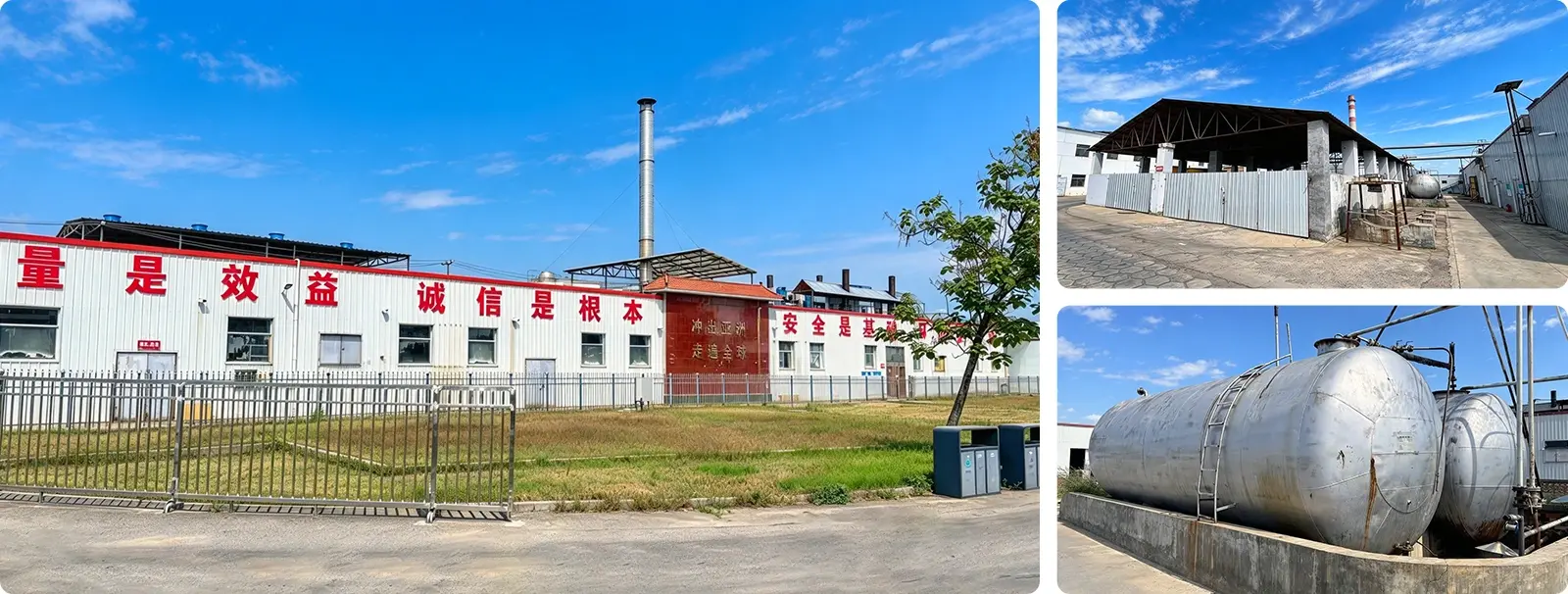
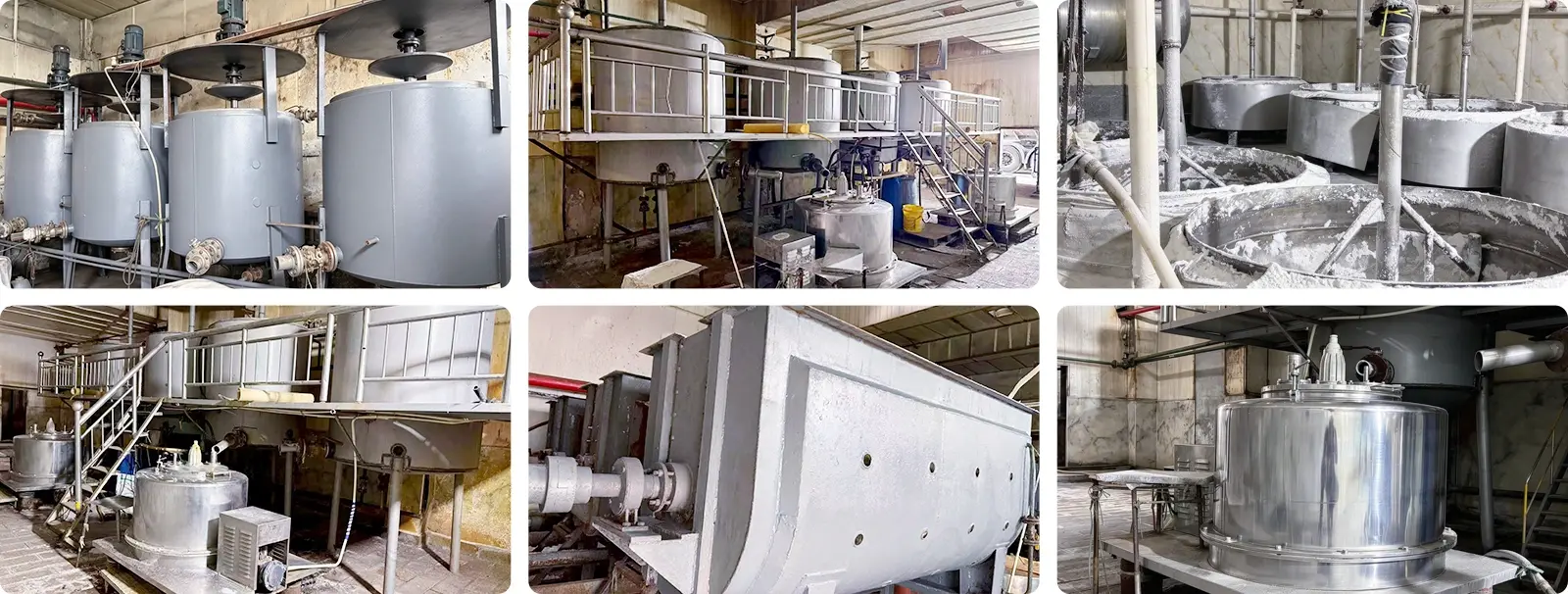
Deicing Solid Sodium Formate (HCOONa, CAS 141-53-7) is a high-purity, non-chloride organic deicing agent engineered for environments where corrosion and environmental damage are unacceptable. Produced by Shanxi Zhaoyi Chemical Co., Ltd. — This white crystalline product is produced by a company with over 30 years of expertise in the acetate and formate business, and provides consistent ice management down to roughly -18°C to -22°C. We provide dependable bulk and consistent batch quality for airports, infrastructure operators and municipal procurement programs across the world. With an annual production capacity of 150,000 tonnes, a 27,000 m² facility and ISO-certified quality procedures.
Technical Specifications
Parameter | Specification |
CAS Number | 141-53-7 |
Molecular Formula | HCOONa |
Molecular Weight | 68.01 g/mol |
Appearance | White crystalline powder |
Purity (Content) | ≥95-98% |
Moisture Content | ≤0.5-1.0% |
NaOH | ≤0.5-1.0% |
Na₂CO₃ | ≤0.5-1.0% |
NaCl | ≤0.5% |
Na₂S | ≤0.02-0.05% |
pH (10% solution) | 7.0-11.5 |
Melting Point | >253°C |
Bulk Density | 0.90-0.95 g/cm³ |
Effective Temperature Range | Down to -18°C to -22°C |
What Makes This Product Different from Chloride-Based Deicers
Chloride ions are the Achilles' heel of traditional rock salt and calcium chloride. They collect over time in soils and ground water and degrade aircraft metals and attack the steel rebar in concrete.
Sodium formate solves all three of these concerns. Being an organic salt it is totally biodegradable and breaks down spontaneously without permanent residues. It is the material of choice in applications where chloride generated damage and environmental compliance are of main importance.
Core Product Characteristics
Highest Quality, Lowest Moisture
Purity > 98 % reduces impurities which lead to sludge build-up during spreading. Moisture Content Maintained Strictly Below 1.0% Prevents Caking and Provides Consistent Free-Flow Performance for Mechanical Spreaders Critical to Runway Operations in Subzero Conditions
Exothermic Reaction Ice Melting
Sodium formate also generates heat when in contact with water or ice. This exothermic reaction increases penetration through ice layers and reduces the span of time between application and restoration of traction. That speed is very important for time-critical airside procedures.
Low Eutectic Temperature
Yet the solution has good de-icing effectiveness at temperatures at which urea and many organic alternatives are worthless. It remains active to around -18°C to -22°C, within the operating temperature range of most high-latitude airports and cold-climate infrastructure projects.
Granulometry and Spreadability
The uniform coverage depends on particle size distribution. Aerodynamic stability during mechanical spreading, especially in crosswinds, is provided by proper granule size (usually 1 mm – 6 mm). Uneven mesh size means spotty coverage and wasted product. Quality control at this point is non-negotiable.
Application Scenarios
Runways and Taxiways at Airports
We are a provider of sodium formate runway deicer and understand the accuracy required for this application. This product meets AMS 1431 aerospace material requirements and is safe to use in aircraft landing gear, carbon brakes, composite materials and integrated runway illumination. It also has a granular texture that gives an instant friction benefit even before it starts melting, a real safety advantage.
Bridge and Tunnel Infrastructure
Chloride-free chemistry inhibits the absorption of corrosive ions into the pores of concrete. This stops the ongoing structural degradation, commonly referred to as “concrete cancer”, caused by the rebar growth from chloride corrosion. For contemporary infrastructure with a 100-year design life, a chloride-free sodium formate de-icer represents a long-term investment in structural integrity.
Environmentally Sensitive Municipal Areas
Roads around reservoirs, protected water sources, or botanical regions need a deicer that breaks down quickly and doesn’t accumulate in groundwater. Sodium formate is a good possibility. It is compliant with LEED certified maintenance methods and suited for B2G procurement programs requiring stringent environmental compliance.
Pre-Wetted Mixed Applications
In pre-wetting procedures solid sodium formate is often used along with liquid potassium formate or potassium acetate. Wind or aircraft jet blast cannot blow the granules off because of this combination yet the melting process instantly begins when it is applied.
Deicing Solid Sodium Formate vs Other Products
Feature | Sodium Formate | Rock Salt (NaCl) | Calcium Chloride | Urea |
Effective Temperature | -18°C to -22°C | -9°C | -25°C | -7°C |
Corrosion Risk | Minimal | High | Very High | Moderate |
Concrete Damage | None | Severe scaling | Spalling | Surface erosion |
Environmental Impact | Biodegradable | Soil salinization | Aquatic toxicity | High BOD/ammonia |
Aircraft Safety | AMS 1431 compliant | Prohibited | Not recommended | Limited use |
Cost Efficiency | Moderate | Low | Moderate | Low |
Residual Protection | 4-8 hours | 2-4 hours | 6-10 hours | 1-3 hours |
Quality Control and Testing Standards
Reliable procurement requires validation beyond a basic purity certificate. The following testing protocols apply to this product:
Corrosion Performance
Tested to ASTM F483 (Total Immersion Corrosion) and ASTM F519 (Hydrogen Embrittlement) The product should show no adverse effects on aircraft aluminium, cadmium plate or high strength steel.
Concrete Scaling Resistance
Testing via ASTM C672 confirms the deicer does not induce surface flaking or spalling on concrete structures — important for bridge decks and airport apron surfaces.
Anti-Caking Performance
Moisture absorption testing under high humidity storage circumstances verifies the efficacy of anti-caking additives. The product should have the capability of long term storage without solidifying and should still have its free-flow qualities when desired.
Batch Consistency
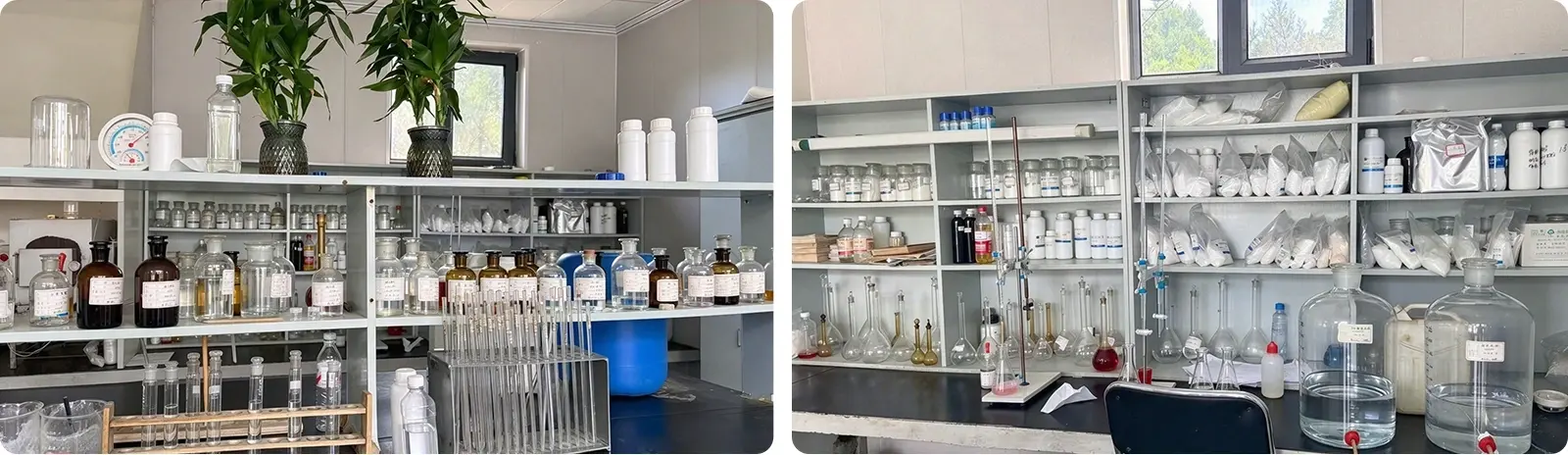
Each batch of Deicing Solid Sodium Formate is tested for purity, moisture and particle size. We provide COA documentation with every shipment and accommodate third party testing as requested.
Certifications & Compliance
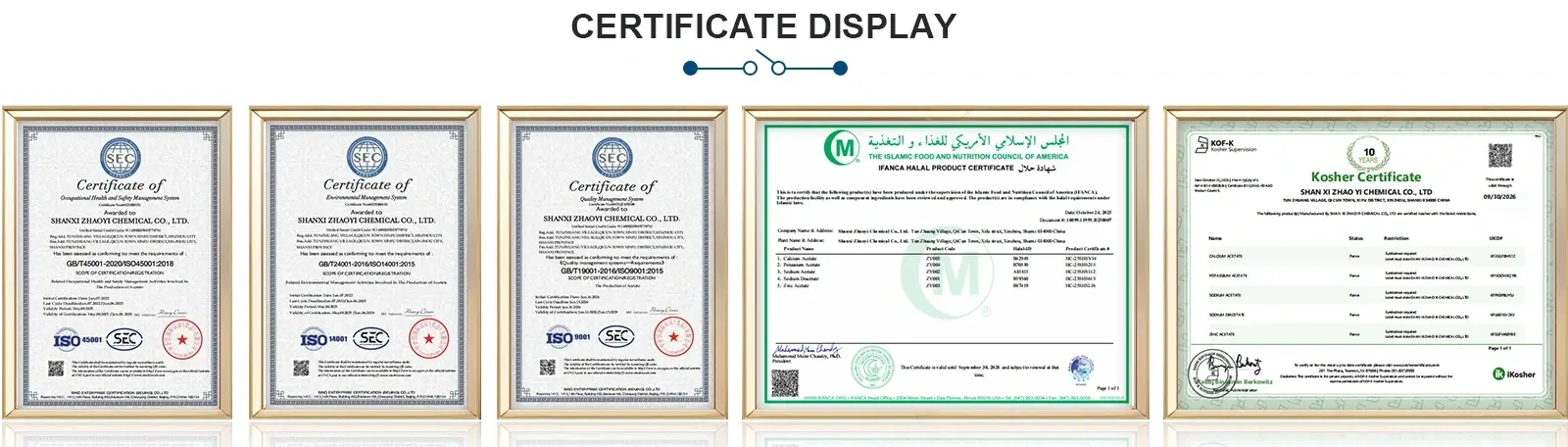
Shanxi Zhaoyi Chemical Co., Ltd. holds the following management system certifications relevant to quality assurance and international trade compliance:
- ISO 9001 — Quality Management System
- ISO 14001 — Environmental Management System
- ISO 45001 — Occupational Health and Safety Management System
- Kosher Certification
- Halal Certification (applicable product grades)
Multilingual MSDS, COA, and conformity documentation are provided as standard. On-site factory audits by domestic and international customers are supported.
Packaging & Storage
Packaging Options:
- 25 kg plastic woven bag (PE inner liner + PP outer woven)
- 1,000 kg ton bag
Storage Requirements:
Keep in a dry, well-ventilated warehouse. Avoid heat and moisture during transit. Handle with care. Avoid damage to package. Avoid contact with harmful chemicals. Use immediately after opening to avoid moisture absorption and caking.
FAQ
Q: How does sodium formate compare to urea for airport deicing?
A: Sodium formate performs better. Urea degrades into ammonia, which is toxic to aquatic life and corrosive to landing gear components. Sodium formate remains effective down to -18°C versus urea's -7°C limit and carries a significantly lower environmental impact — making it the preferred choice for airport procurement.
Q: What is the recommended application rate?
A: The usual amount for anti-icing (prevention) is 20-30 g/m². Typical quantities for active deicing are 25-50 g/m2 depending on the ice thickness and the ambient temperature. Proper calibration helps save waste and operational costs.
Q: Can solid sodium formate be combined with liquid deicers?
A: Yes. A pre-wet approach — combining solid sodium formate with liquid potassium formate or potassium acetate — is widely used. It improves product adhesion on surfaces and accelerates the initial melt reaction.
Q: Is the product safe for asphalt surfaces?
A: Yes, that's right. Sodium formate does not chemically interact with the asphalt binders. The substance does not structurally degrade the bitumen and is safe to use on asphalt runways and road surfaces.
Q: What are the standards for storage and shelf life?
A: Store in a dry, ventilated warehouse away from heat and moisture. Shelf life of 2 years under proper storage conditions in original sealed package. Use open bags quickly to avoid caking.
Q: Can you support large-volume and customized orders?
A: Yes. With 150,000 tons of annual production capacity, we support both regular and bulk procurement schedules. Custom packaging, OEM labeling, and specific particle size requirements are available on request.
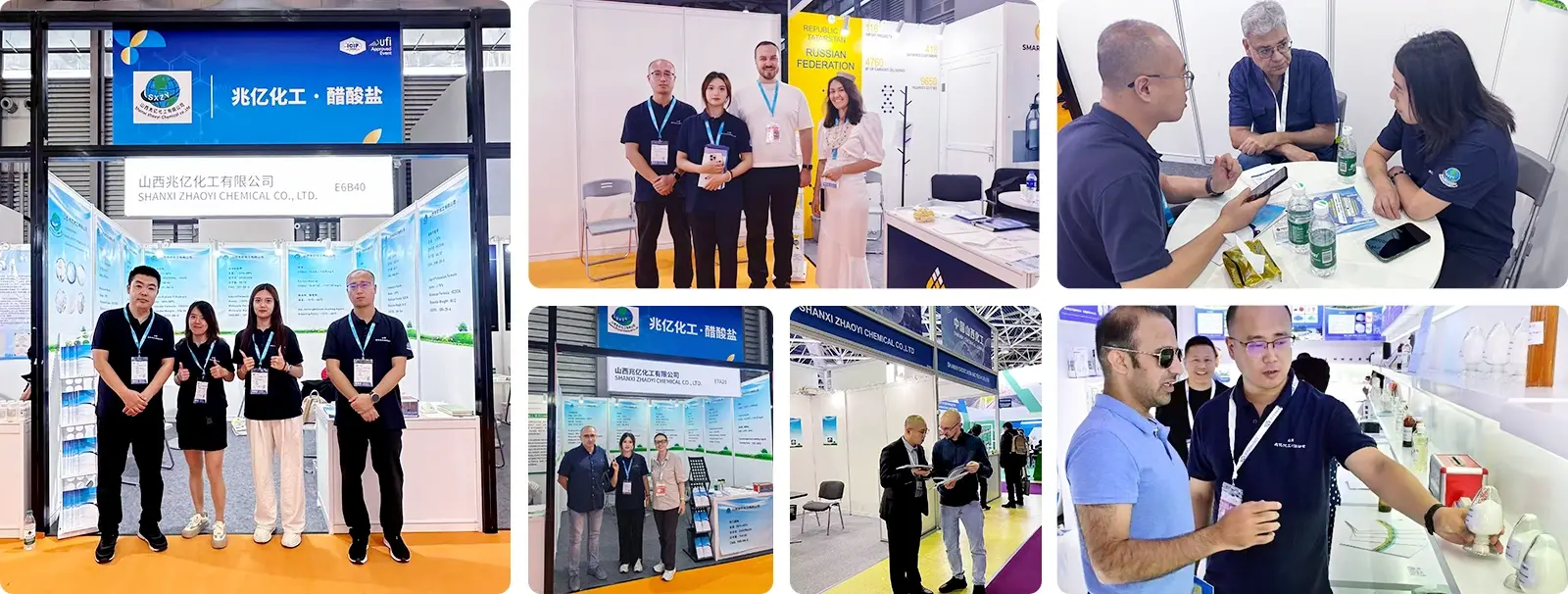
Our Exhibitions
Contact Us
Ready to source reliable Deicing Solid Sodium Formate for your next project? Contact our team at sxzy@sxzhaoyi.com — we respond within 2 hours.

USER EVALUATE
Here is the customer's evaluation of us
YOU MAY LIKE
 VIEW MOREIndustrial Solid Sodium Formate
 VIEW MORELeather Solid Sodium Formate
 VIEW MOREFur Processing Solid Sodium Formate
 VIEW MOREFabric Fixing Solid Sodium Formate
 VIEW MOREDrilling Solid Sodium Formate
 VIEW MOREPrinting & Dyeing Solid Sodium Formate
 VIEW MOREOilfield Solid Sodium Formate
 VIEW MORESnow Melting Solid Sodium Formate