



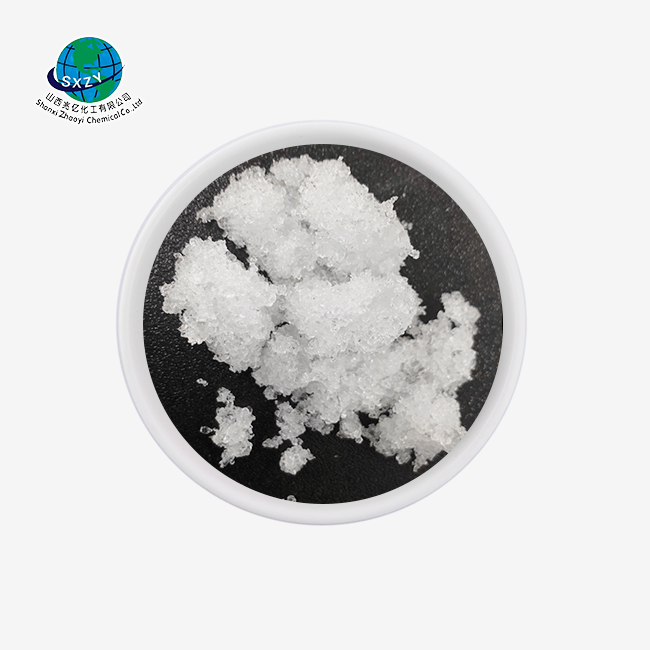
Printing & Dyeing Sodium Acetate Trihydrate
CAS NO.: 6131-90-4
Molecular Formula: CH3COONa·3H2O
Molecular Weight: 136.08
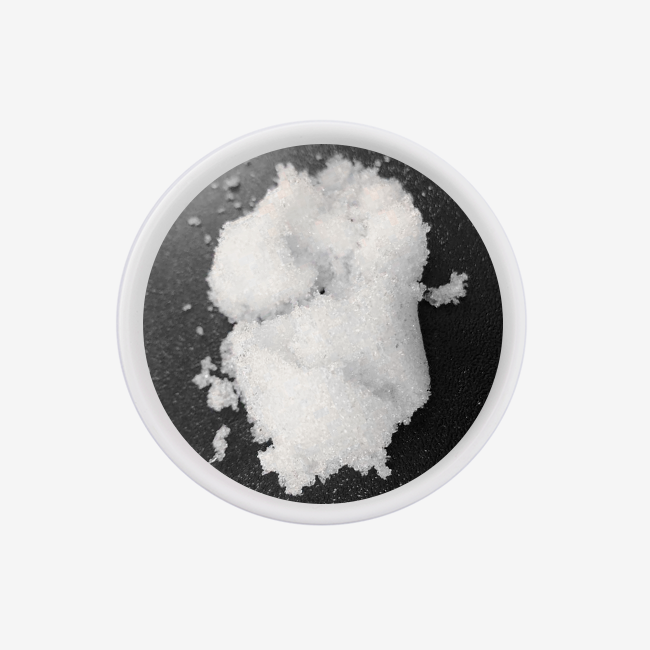
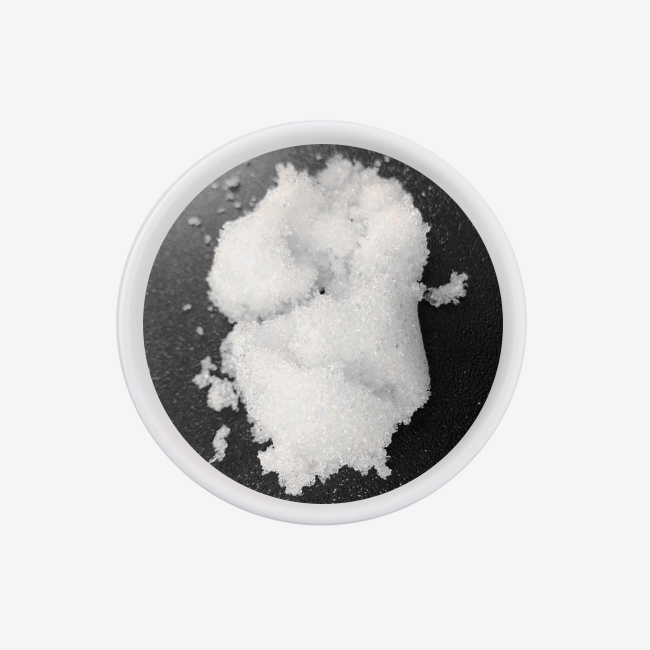
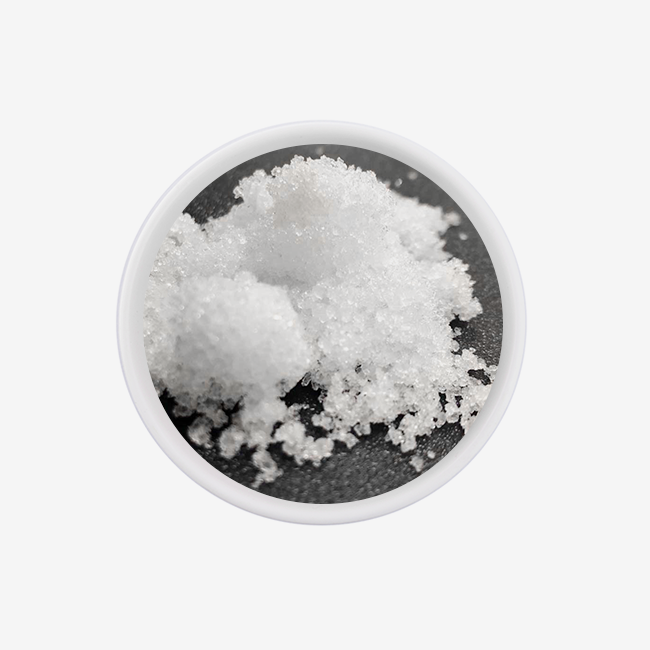
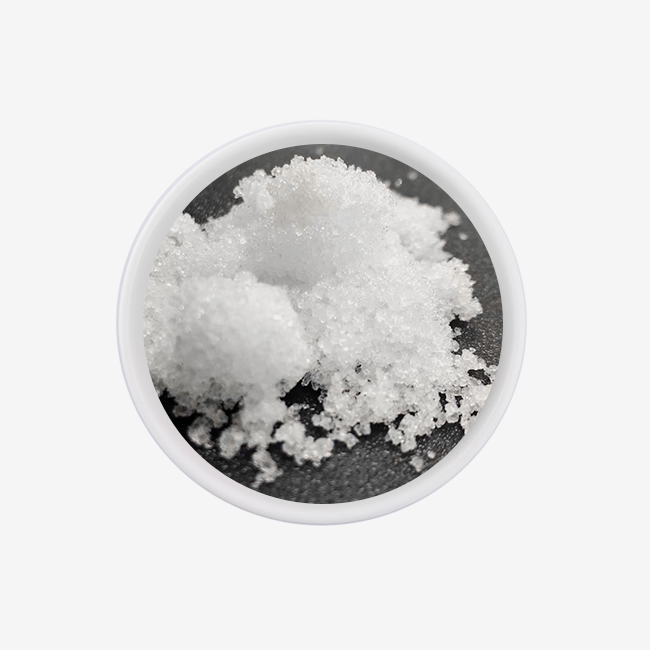
Character: Colorless crystal, it is soluble in water and alcohol and lightly soluble in acetic acid; specific gravity:1.45; melting point: 58℃.
Usage:It should be stored in a dry and ventilative warehouse, kept away from heat and moisture during transportation, unloaded with care so as to avoid damage. Furthermore, it must be stored separately from poisonous substances.
Package: 25kg plastic woven bag or 1000kg Ton-bag
Storage: It should be stored in a dry and ventilative warehouse, kept away from heat and moisture during transportation, unloaded with care so as to avoid damage. Furthermore, it must be stored separately from poisonous substances.
- Product Description
Printing & Dyeing Sodium Acetate Trihydrate for Textile Industry — Stable Buffering, Superior Color Performance
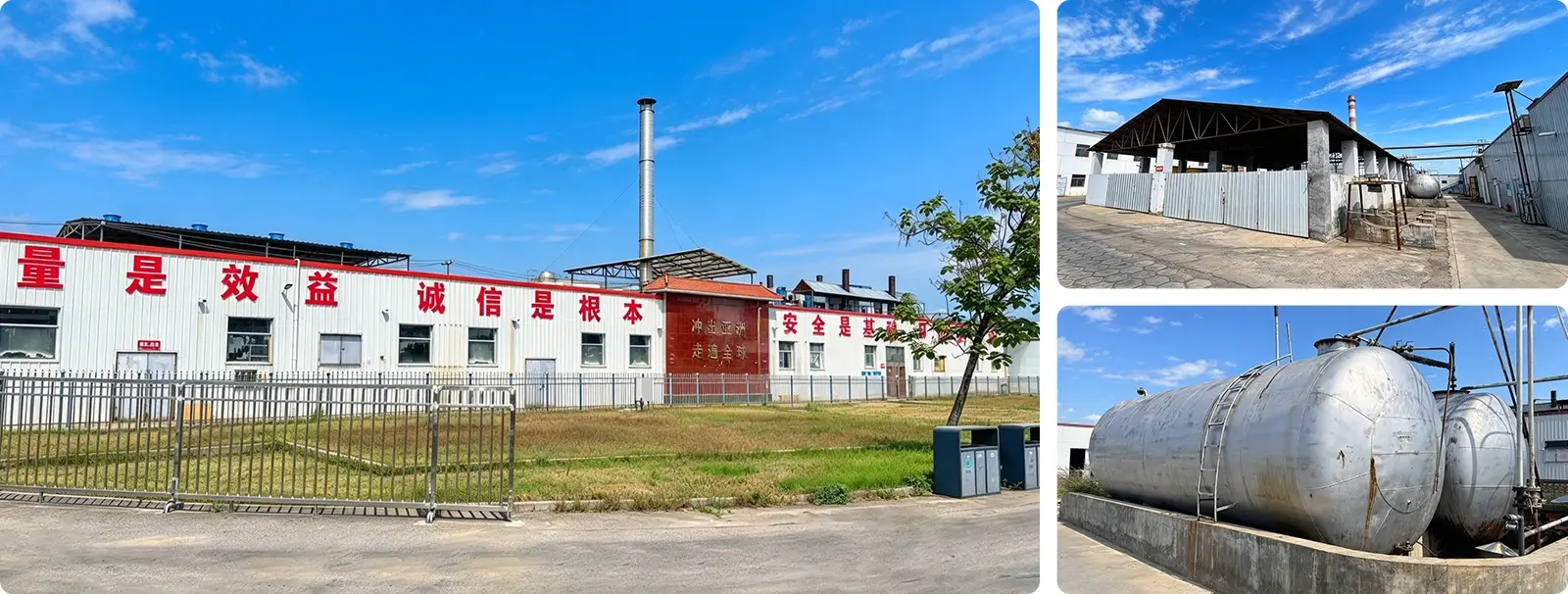
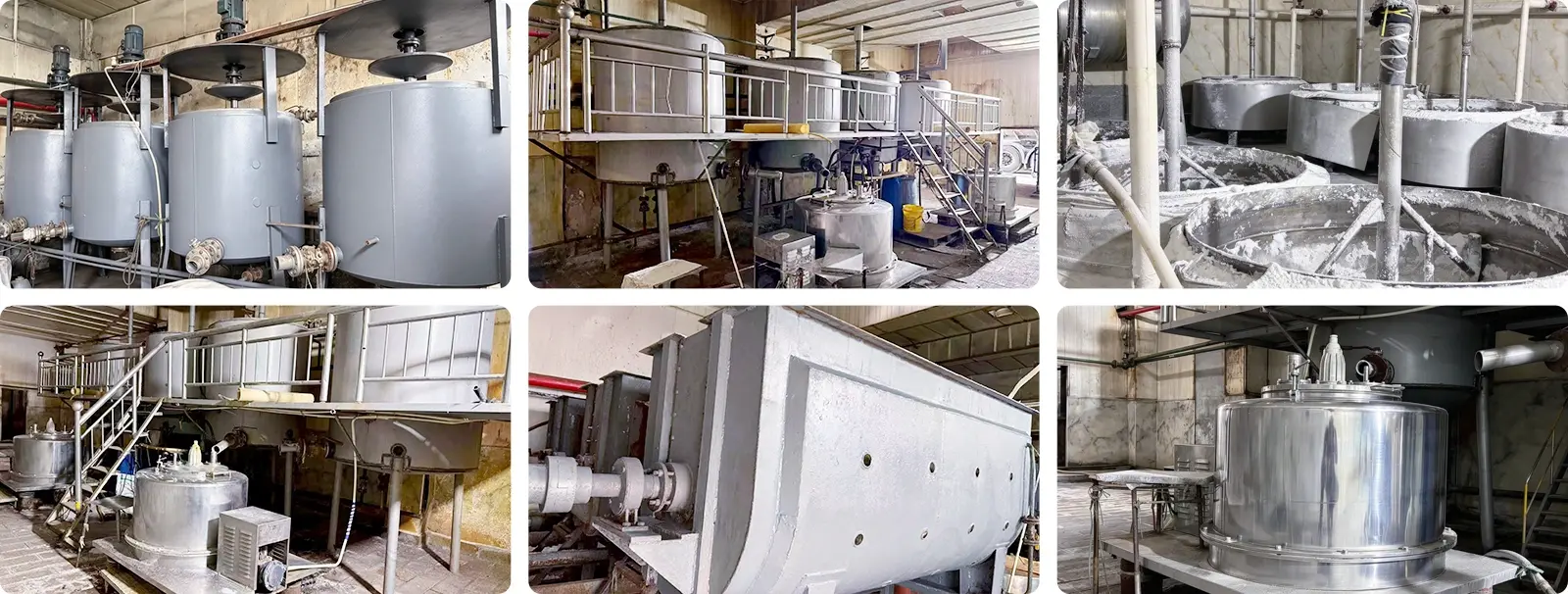
Printing & Dyeing Sodium Acetate Trihydrate (CAS No. 6131-90-4) is a precision-grade buffering agent specifically formulated for the textile printing and dyeing industry. Produced by Shanxi Zhaoyi Chemical Co., Ltd. — founded in 1988 with over 30 years of acetate manufacturing experience — this product delivers a CH₃COONa·3H₂O content of ≥58%, a controlled pH range of 7.5–9.0 (5% solution), and chloride (Cl) content ≤0.03%. With an annual production capacity of 150,000 tons and a 27,000 m² facility, we support stable, large-scale supply for global textile buyers.
Technical Specifications
Parameter | Specification |
Product Name | Sodium Acetate Trihydrate Tech Grade |
CAS NO. | 6131-90-4 |
Molecular Formula | CH₃COONa·3H₂O |
Molecular Weight | 136.08 |
Content (CH₃COONa) | 58-60% |
Free Acid | ≤0.03% |
Water Insoluble | ≤0.04% |
Chloride (Cl) | ≤0.04% |
Ferrum (Fe) | ≤0.0002% |
Appearance | Colorless crystal |
Specific Gravity | 1.45 |
Melting Point | 58℃ |
Solubility | Soluble in water and alcohol, lightly soluble in acetic acid |
Key Product Characteristics
The buffering efficacy of this product is continuously reliable. The solution is clear and transparent when dissolved, with no turbidity or precipitation, so you can be certain that your dye bath environment will stay clean throughout your operation.
The low chloride concentration (Cl ≤0.03%) directly tackles one of the industry’s most prevalent pain points: odour during dyeing operations and failure in environmental compliance tests. Cleaner manufacturing, safer output for downstream markets.
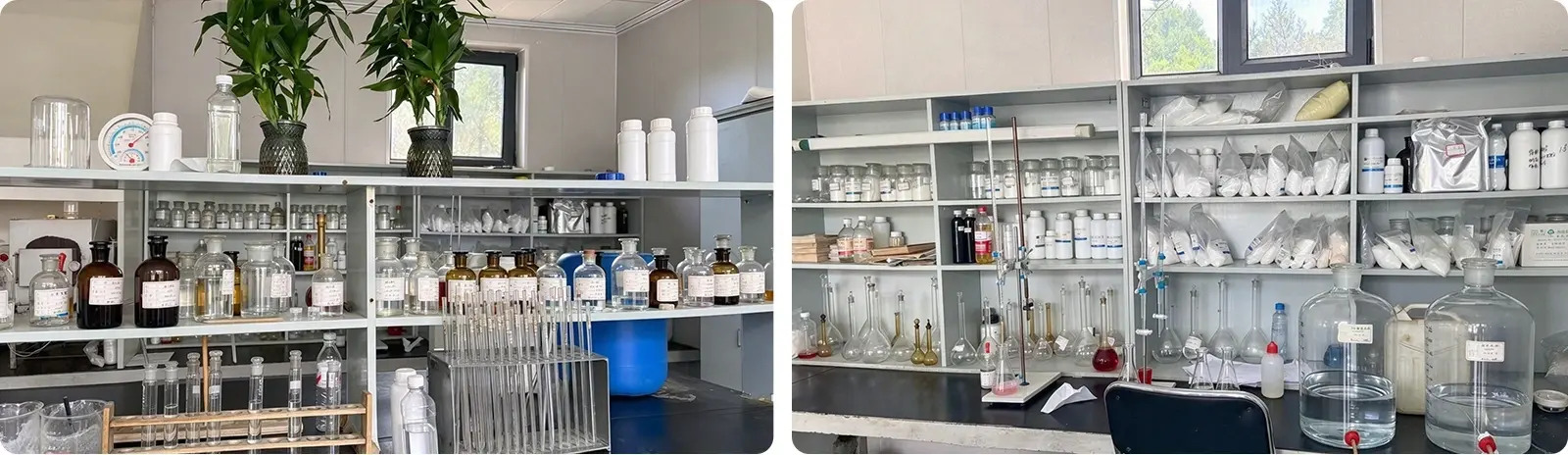
Third-party quality testing and standardised production methods are rigorous to carefully regulate batch-to-batch uniformity. This means you can expect consistent colour outcomes from production run to production run – a key necessity for any professional textile business.
How It Works in Textile Dyeing
This product is used as a sodium acetate buffer for reactive dyeing, stabilising the pH of the dye bath at the optimum range of 7.5-9.0. Reactive dyes are very sensitive to pH changes; slight variations may lead to uneven dyeing, colour flaws or impaired colour fastness.
Further, the product has a constant pH during the whole dyeing process that enhances the adhesion of the dye molecule to the fibre, leading to deeper and consistent colour absorption. According to field data, the addition of 0.3% concentration of sodium acetate during the reactive dyeing of cotton fibres may increase the uniformity of dyeing by 18%.
It is also used as a moderate acid donor in printing pastes in textile printing, where it is an effective sodium acetate, and where the sharpness of print definition and consistency of colour across repeat manufacturing batches are determined by the exact pH control.
Printing & Dyeing Sodium Acetate Trihydrate vs Other Products
Feature | Our Sodium Acetate Trihydrate | Standard Market Products | Low-Grade Alternatives |
Chloride Content | ≤0.03% | 0.05-0.08% | >0.1% |
Dissolution Speed | Fast, no residue | Moderate | Slow with precipitation |
Batch Consistency | ±0.5% variation | ±2-3% variation | Unpredictable |
pH Buffering | Excellent stability | Moderate | Poor |
Odor Issues | None | Occasional | Frequent |
Dye Compatibility | Universal | Limited | Reactive dyes only |
Anti-Caking | Superior fluidity | Moderate | Clumps easily |
Technical Support | Industry-specific guidance | Generic advice | None |
Application Scope and Dosage Guidance
As a versatile sodium acetate trihydrate dyeing auxiliaries solution, this product is suitable for a wide range of fiber types and dyeing methods, including:
- Reactive dye bath dyeing — cotton, linen, viscose, and blended fabrics
- Acid dye applications — wool, silk, nylon
- Textile printing pastes — screen printing, rotary printing
- Dyeing wastewater pretreatment — pH adjustment before effluent treatment
The suggested adding rate is 0.3–0.5% on the weight of the dye liquid. However, the ideal dose should be established by small scale experiments as it is dependent on the kind of dye, the nature of the cloth and the conditions of the individual dying procedure. We can give trial assistance and formulation suggestions on request from our technical staff.
Quality Control and Testing
Every production batch is tested against defined industrial standards before release. Key quality checkpoints include:
- Content verification: CH₃COONa·3H₂O ≥58% confirmed by titration
- Impurity control: Free acid ≤0.03%, water-insoluble substances ≤0.04%, Fe ≤0.006%
- pH stability test: 5% aqueous solution measured at 7.5–9.0
- Dissolution clarity: Visual and instrumental assessment for turbidity and sediment
- Third-party testing: Available upon request; COA and MSDS provided with each shipment
All production processes for Printing & Dyeing Sodium Acetate Trihydrate comply with domestic industrial standards and the specific use requirements of the printing and dyeing industry.
Certifications & Compliance
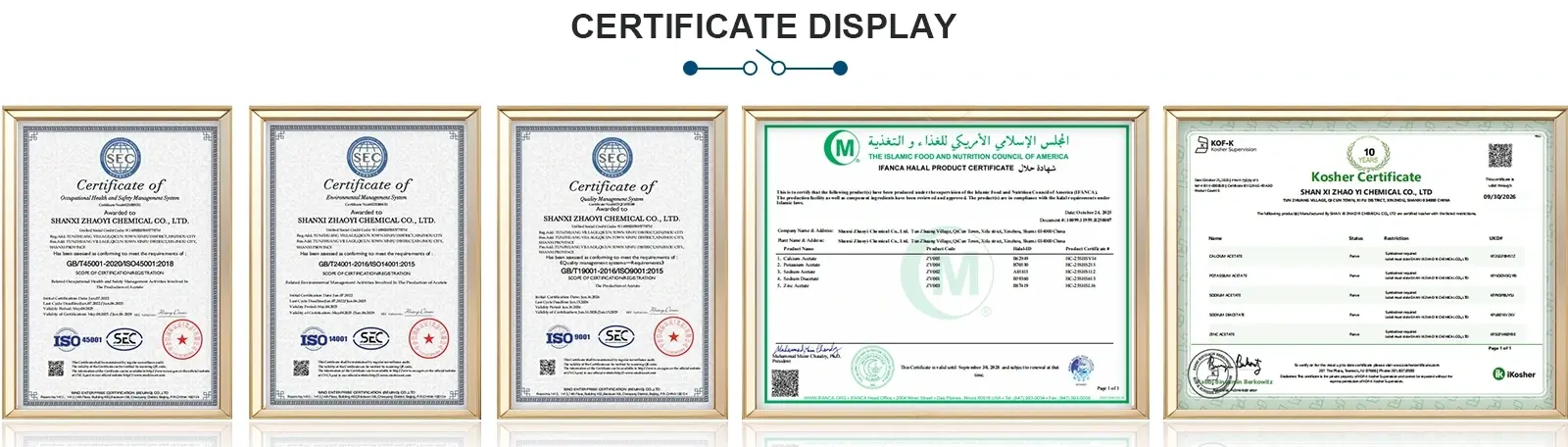
Shanxi Zhaoyi Chemical Co., Ltd. holds multiple internationally recognized certifications to support your supplier qualification and compliance requirements:
- ISO 9001 — Quality Management System Certification
- ISO 14001 — Environmental Management System Certification
- ISO 45001 — Occupational Health and Safety Management System Certification
Kosher Certification
Halal Certification (for applicable food-grade products)
Full documentation — including multilingual MSDS, COA, and conformity documents — is available for each order. On-site factory audits by domestic and international customers are also supported.
Packaging & Storage
Packaging Options:
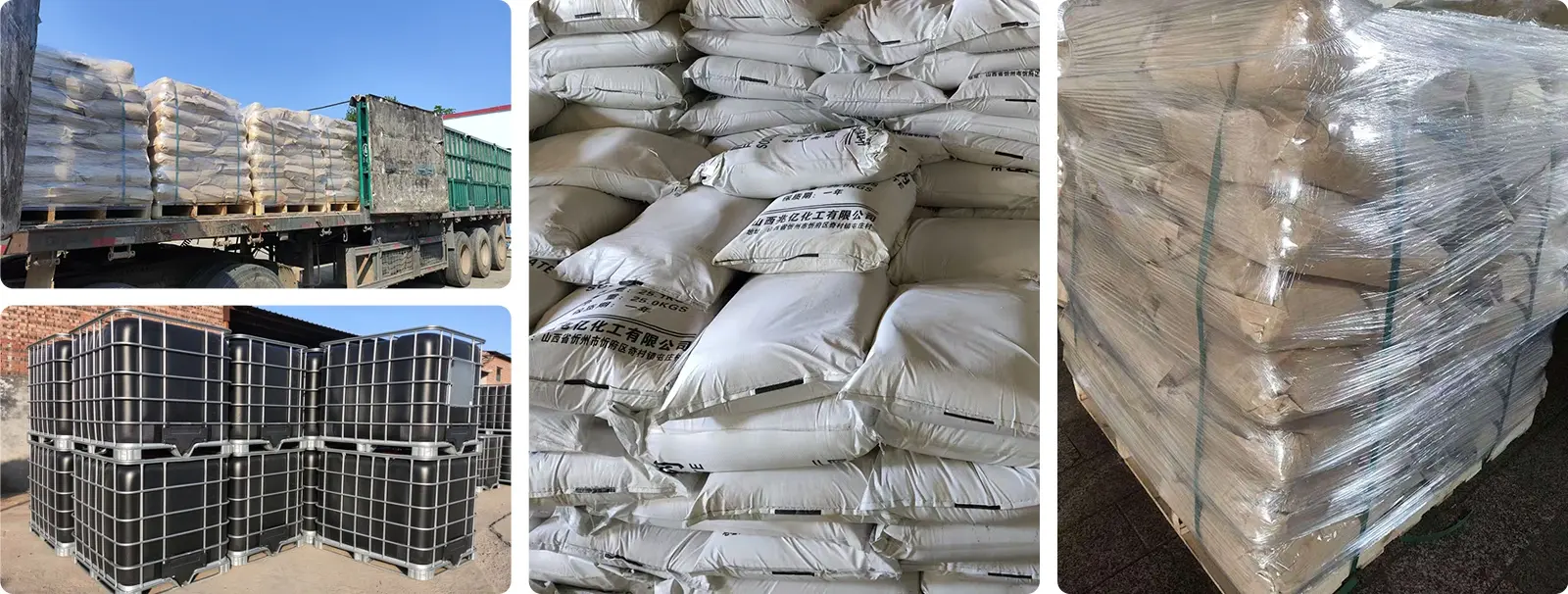
- 25 kg inner plastic / outer woven bag (sealed to prevent moisture absorption)
- 1,000 kg ton bag for bulk orders
Storage Requirements:
- Store in a cool, dry warehouse with relative humidity ≤65%
- Keep away from heat, strong oxidants, and acidic substances
- Use within 48 hours of opening to prevent moisture absorption and weathering
- Avoid stacking or compression that may damage packaging integrity
FAQ
Q: What is the recommended addition ratio of the product in the dyeing process?
A:The conventional addition amount is 0.3%–0.5% of the weight of the dye liquor. For reactive dye cotton dyeing, a 0.3% concentration has been shown to improve dyeing uniformity by 18%. We recommend running small-scale tests first and can provide technical guidance to help you find the right ratio for your specific process.
Q: What quality standards does this product meet?
A:The product satisfies the stated industrial criteria of the printing and dyeing industry: CH₃COONa·3H₂O ≥58%, free acid ≤0.03%, Cl ≤0.03%, Fe ≤0.006% and pH 7.5-9.0 of a 5% aqueous solution. Third party testing is available and with every shipment you will get comprehensive documentation.
Q:Why is sodium acetate buffer useful in reactive dyeing?
A:Reactive dyes need a steady and slightly alkaline pH environment to combine well with fibres. Without a stable buffer, pH oscillations during dyeing might result in inconsistent colour, poor fastness, and batch unpredictability. Sodium acetate ensures the dye solution stays in the ideal pH range for the whole procedure.
Q: How does this product compare to suppliers with high chloride content?
High chloride levels (above industry limits) cause odor during dyeing and can trigger failures in environmental testing of finished textiles. Our Cl content is strictly controlled at ≤0.03%, making the product suitable for eco-conscious production and export markets with tight chemical compliance requirements.
Q: Can you provide samples before we place a bulk order?
A:Yes. We support sample requests and small-scale test guidance. Our technical team can assist you with trial formulations and application recommendations to confirm product suitability before committing to a larger order.
Q: What are your standard lead times and shipping options?
A:Standard production lead time is approximately 5–7 working days. For in-stock products, delivery can be arranged within 24 hours. We support FOB, CIF, and DAP trade terms and work with established international freight partners to ensure reliable, timely delivery.
Our Exhibitions
Contact Us
Ready to source reliable Printing & Dyeing Sodium Acetate Trihydrate? Contact our team today at sxzy@sxzhaoyi.com — we respond within 2 hours.

USER EVALUATE
Here is the customer's evaluation of us
YOU MAY LIKE
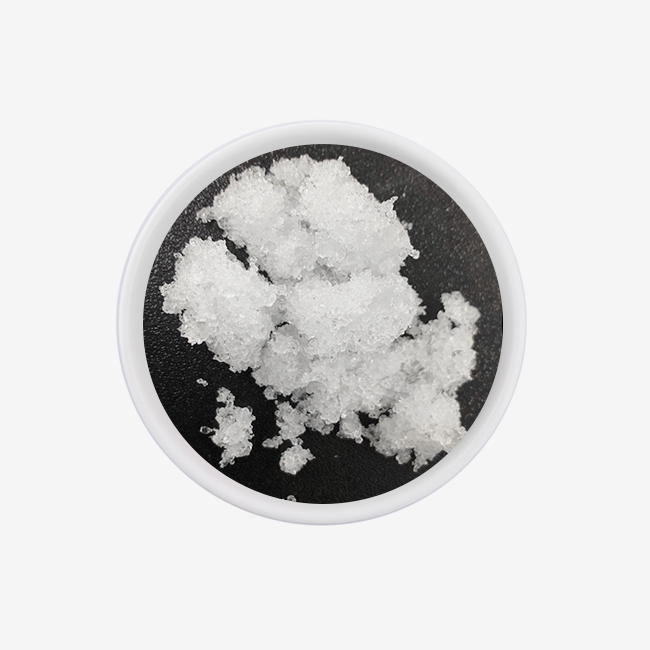 VIEW MOREIndustrial Sodium Acetate Trihydrate
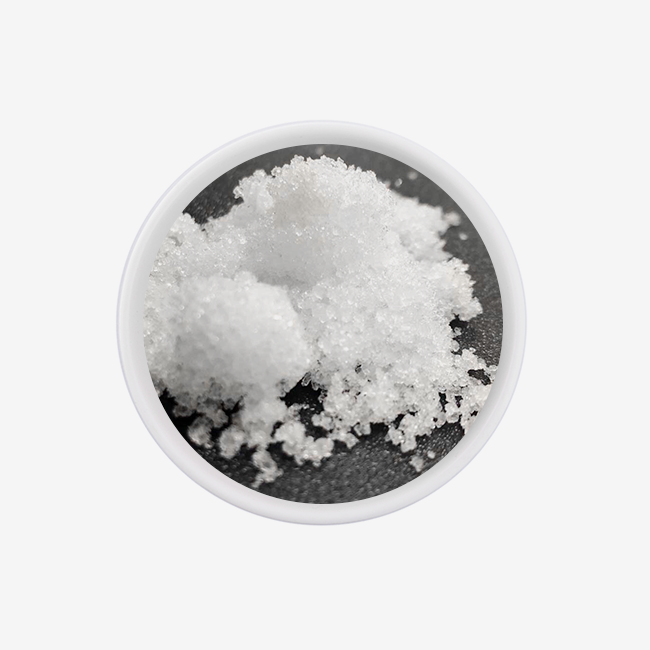 VIEW MOREFood-Grade Sodium Acetate Trihydrate
 VIEW MOREPreservative Sodium Acetate Trihydrate
 VIEW MOREMeat Sodium Acetate Trihydrate
 VIEW MOREPharmaceutical Intermediate Sodium Acetate Trihydrate
 VIEW MOREAntibiotic Sodium Acetate Trihydrate
 VIEW MOREAcidity Adjustment Sodium Acetate Trihydrate
 VIEW MOREBread Sodium Acetate Trihydrate