



Application of Special Printing and Dyeing Grade Sodium Acetate for pH Adjustment of Dyeing Solution
In textile dyeing operations, consistent dye‑bath pH is critical to final dyeing quality. For natural fibers such as cotton, linen and viscose, as well as synthetic fibers including nylon and polyester, shifting pH levels can trigger dye hydrolysis, color drift, poor color fastness and patchy dyeing. These issues directly drive down finished‑product pass rates. Conventional pH adjusters, mostly strong acids and alkalis, tend to trigger sharp pH spikes or drops. They can harm fiber substrates, create hard‑to‑treat wastewater, and fail to hold steady bath conditions through the full dye run.
Dyeing‑grade sodium acetate (minimum 99% active content, meets EU Oeko‑Tex Standard 100 and China GB/T 21534 requirements) is a purpose‑built eco‑friendly additive for dye‑bath pH control. It works well with reactive, acid and neutral dye systems, helping textile mills resolve common pH‑related production pain points. Practical details are outlined below:
Key Functions
Formulated as a dedicated dye‑bath pH buffer, this material locks bath pH within the process‑optimal 4.5‑7.5 range. It stops dye breakdown and color deviation caused by abrupt pH swings, while lessening fiber damage brought on by harsh strong acids and alkalis to preserve fabric hand feel and tensile strength. It improves dye‑to‑fiber bonding, cuts down on dyeing flaws, and delivers better wash and rub fastness. It also eases pH‑driven variability for downstream wastewater handling, bringing down waste‑treatment expenses and supporting sustainable green dyeing workflows.
Product Advantages
Reliable buffering capacity: brings pH to target range quickly and holds long‑term bath stability. It curbs in‑process pH drift and noticeably reduces color bleeding and shade variation defects.
Eco‑friendly, residue‑free formulation: contains no heavy metals, formaldehyde or hazardous volatile components. Complies with major global ecological textile norms, suitable for high‑grade fabric destined for export markets.
Broad formulation compatibility: mixes smoothly with most dyes, levelling agents, fixing agents and auxiliary chemicals. No sediment or adverse side reactions occur, so dye vat blockages are avoided. Fits overflow, jigger and continuous dyeing set‑ups for full‑scale production.
Mild, non‑corrosive characteristics: keeps the original texture and surface luster intact for cotton, linen, nylon and other fiber types.
Good water solubility: dissolves rapidly for straightforward manual feeding, and adapts to automated dyeing lines to lift overall throughput.
Cost‑efficient performance: small addition rates deliver solid pH regulation results, helping mills contain manufacturing costs.
Application Guidelines
Reactive dyeing for cotton / viscose fabrics: add 0.6%‑2.0% (based on dye‑bath weight) into the dye vat before loading goods. Fully dissolve under agitation, fine‑tune pH to 6.0‑7.5 with acetic acid, then load fabric and dyes and run dyeing at set constant temperature.
Acid dyeing for nylon / wool fabrics: apply at 0.4%‑1.5% of bath weight. Maintain stable pH 4.5‑6.0 to prevent dye hydrolysis and secure even shade across fabric lots.
Neutral dyeing for polyester blended fabrics: dosage sits at 0.5%‑1.8% relative to bath weight, holding pH 6.5‑7.0 for uniform dyeing results.
For repeated batch runs: pre‑make 10% stock solution and meter it via dosing pumps. This keeps pH consistent batch‑to‑batch.
Common Operational Notes
The product absorbs moisture from air. Store in cool, dry, shaded conditions; moisture uptake leads to caking and inaccurate dosing. Do not pour it together with strong‑alkaline auxiliaries into the same vat. Add different chemicals sequentially to prevent sharp pH jumps in the working bath. Over‑dosing pushes pH upward and slows dye uptake, so follow process‑specified dosage strictly. Track bath pH periodically during dyeing and tweak addition volume accordingly to sustain stable bath conditions.
Real‑World Mill Reference Case
One medium‑sized dyeing and finishing plant mainly produces cotton and viscose knit goods for European export. It once used conventional inorganic pH regulators for bath control. Large pH swings frequently occurred, creating inconsistent shade, a 6.8% color‑bleeding defect rate and considerable export‑return volumes.
After switching to dyeing‑grade sodium acetate as its primary pH buffering agent, bath pH stayed within ±0.2 tolerance. Color bleeding and shade inconsistency were largely eliminated, and dyeing pass rate rose to 99.4%, with full compliance on color fastness indicators. The mill successfully obtained EU Oeko‑Tex Standard 100 certification. Product returns dropped to 0.3%, production output went up 20%, and wastewater‑treatment expenditure fell by 25%. This standardized pH‑control solution has won positive feedback from overseas buyers.

USER EVALUATE
Here is the customer's evaluation of us
YOU MAY LIKE
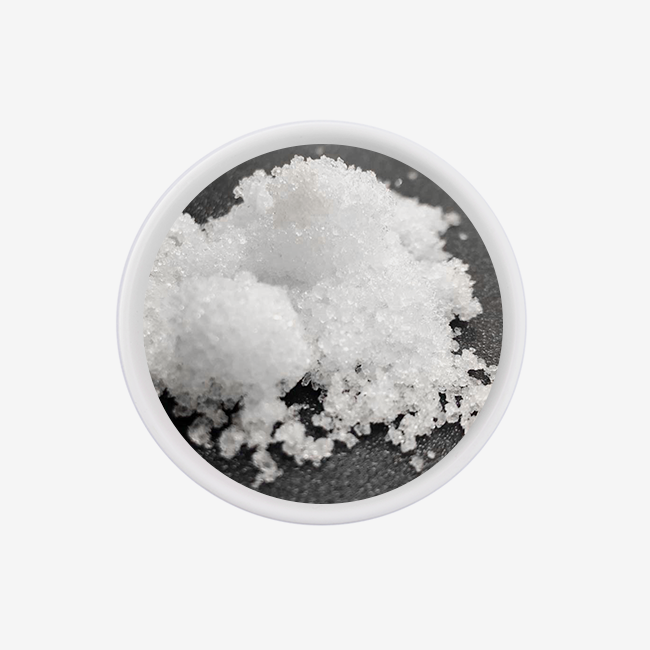 VIEW MOREDairy Product Sodium Acetate Trihydrate
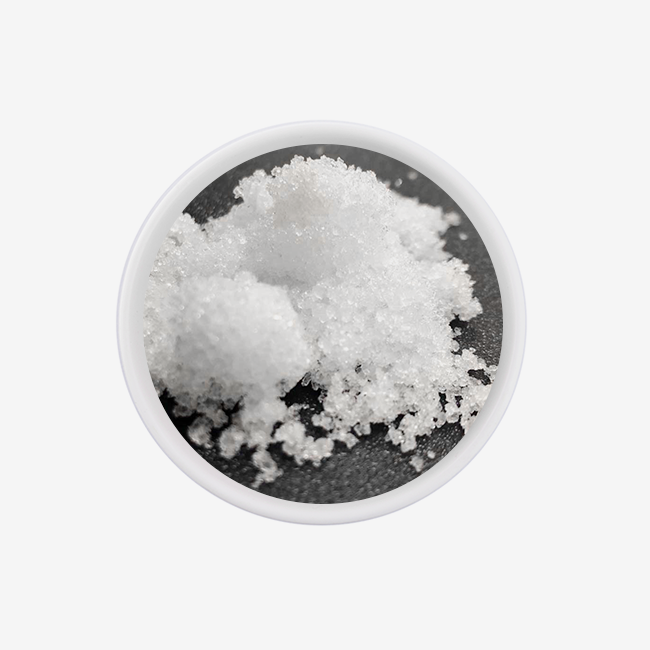 VIEW MOREMeat Sodium Acetate Trihydrate
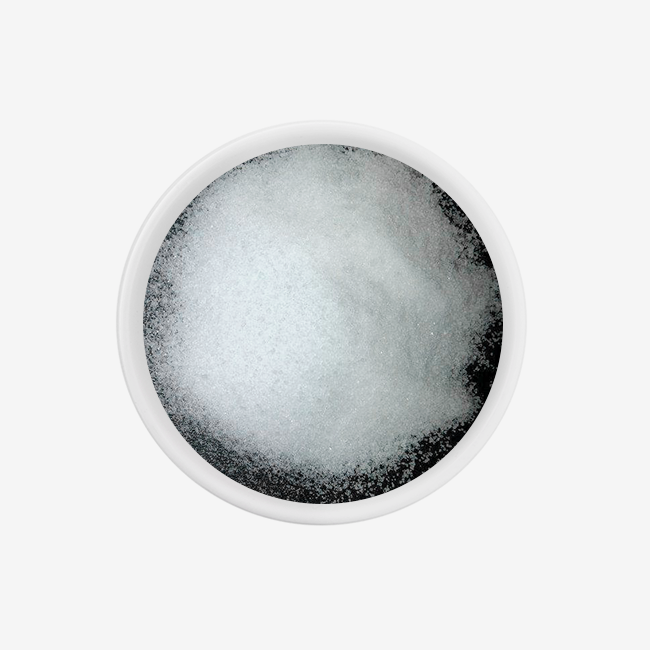 VIEW MOREFeed-Grade Sodium Diacetate
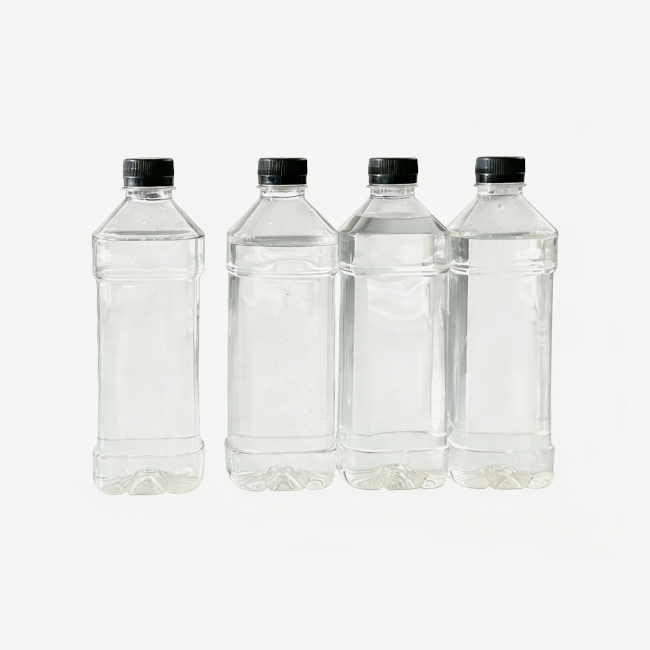 VIEW MOREDeicing Liquid Potassium Acetate
 VIEW MOREPharmaceutical Sodium Acetate Anhydrous
 VIEW MOREInjection Sodium Acetate Trihydrate
 VIEW MOREBread Sodium Acetate Trihydrate
 VIEW MORESewage Sodium Acetate Trihydrate