



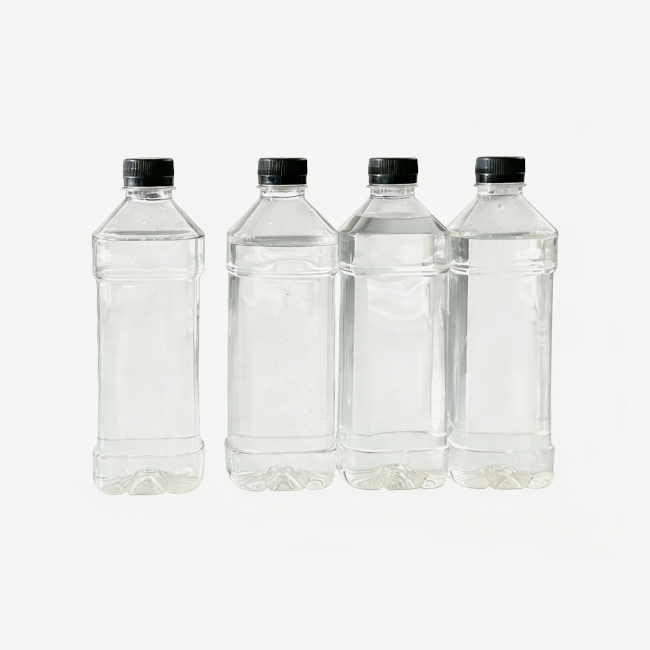
Deicing Liquid Potassium Acetate
CAS NO.: 127-08-2
Molecular Formula: CH3COOK
Molecular Weight: 98.14
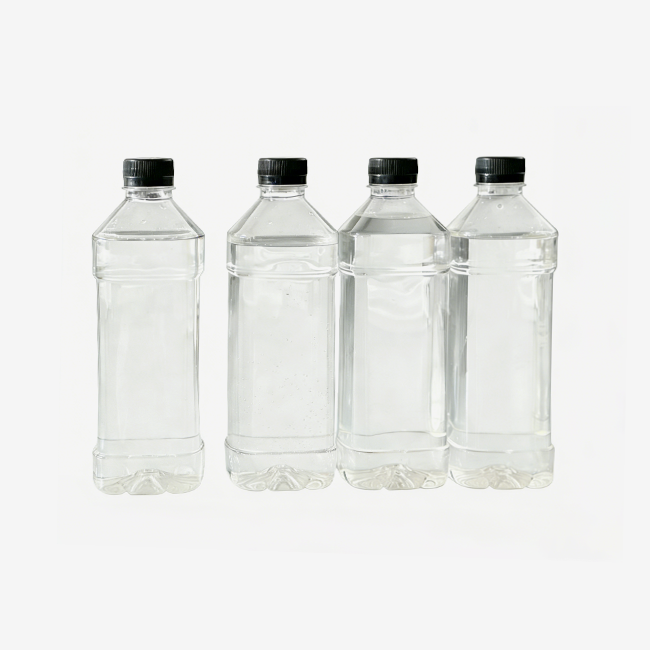
Character: Colorless transparent liquid, slightly sour.
Usage: It is used snow & ice melting agent, fertilizer and oilfield drilling.
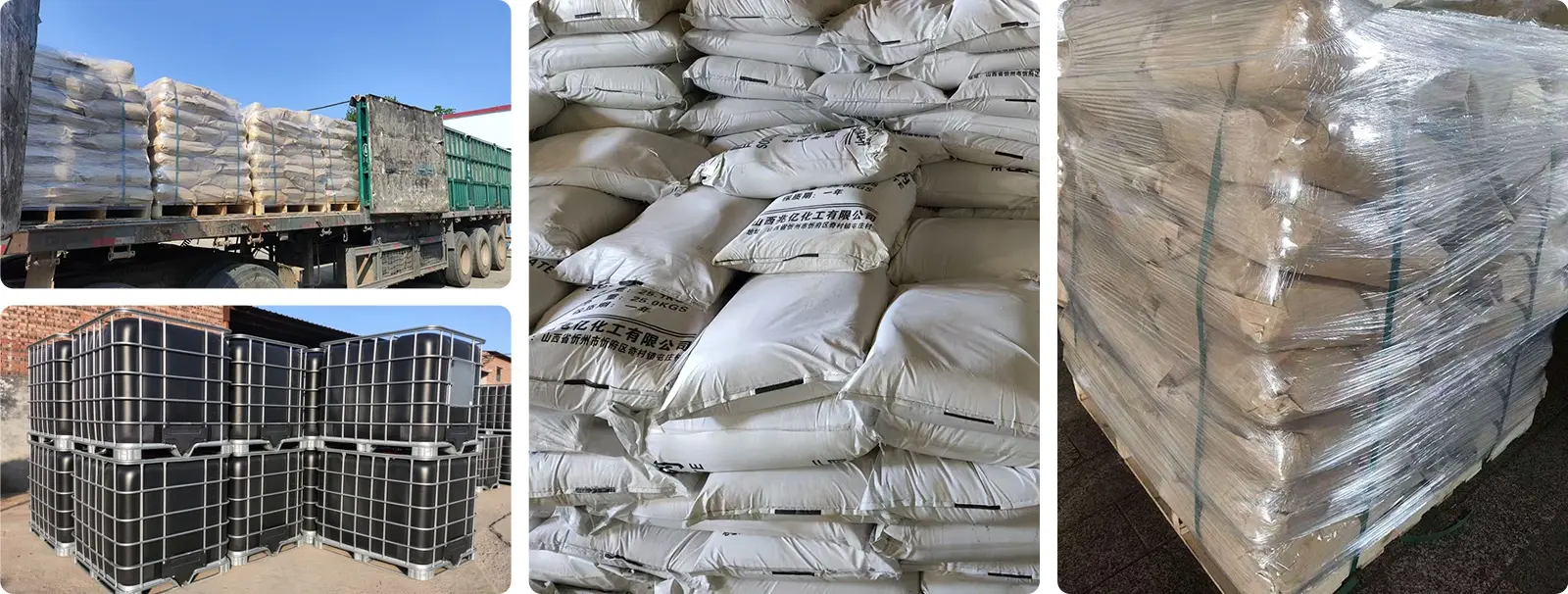
Package: 1000L IBC tank or Flexibag.
Storage: It should be stored in a dry and ventilative warehouse, kept away from heat and moisture during transportation, unloaded with care so as to avoid damage. Furthermore, it must be stored separately from poisonous substances.
- Product Description
Deicing Liquid Potassium Acetate Solution – Non-Chloride Anti-Icing Fluid for Airport & Infrastructure Protection
Deicing Liquid Potassium Acetate from Shanxi Zhaoyi Chemical Co., Ltd. is a powerful, non-chloride liquid deicer that has been mixed at a 50% w/w concentration with special corrosion inhibitors. It's made to replace harmful urea/glycol-based fluids and chloride salts that break down, and its freezing point is -60°C (-76°F). The chemical formula for this substance is CH3COOK, and its molecular weight is 98.14. It is a clear, colourless liquid that smells slightly sour. Designed specifically for use in airports, bridge structures and industrial arctic activities where safety and material protection are a must.
Technical Specifications
Parameter | Specification |
Content (CH₃COOK) | ≥50-60% |
Molecular Formula | CH₃COOK |
Molecular Weight | 98.14 g/mol |
CAS Number | 127-08-2 |
Appearance | Colorless transparent liquid |
Specific Gravity @ 20°C | 1.25-1.30 |
pH Range | 7.5-9.2 |
Freezing Point (Eutectic) | Approx. -60°C (-76°F) |
Iron (Fe) Content | ≤0.002% |
Arsenic (As) Content | ≤0.0004% |
Sulfate Content | ≤0.05% |
Heavy Metal (Pb) Content | ≤0.01% |
Chloride Content | ≤0.01% |
Key Product Characteristics
Traditional de-icers are not the same as liquid potassium acetate de-icer in terms of how they work physically and chemically. This fluid is very dense and not very thick, so it can move fast on the surface even when it is very cold. It can also go through thick layers of snow and ice.
It is buffered to a pH range of 9.0 to 11.0 to actively neutralise the acidity of the pavement and protect metal parts that are easily damaged, like aviation aluminium alloys, cadmium structures, and magnesium structures. It is also safe to handle and store in large amounts because it doesn't catch fire (flash point >100°C).
Biodegradation is what it's all about. This product has a much lower Biological Oxygen Demand (BOD) than urea-based products, which break down into poisonous ammonia compounds. It also breaks down quickly at low temperatures, releasing no harmful nitrogen into the waterways.
Performance Advantages Over Chloride and Glycol Deicers
There are big differences between potassium acetate anti-icing liquid and regular chloride-based deicers that can be seen and felt.
Chloride salts speed up the rusting of steel rebar inside bridge decks and, over time, make concrete surfaces flake off. They also attack aluminium alloys used in aeroplanes and electrical sensors on the runway. All of these risks are gone with potassium acetate because it doesn't have any chloride ions in it.
Glycol-based fluids work pretty well in mild weather, but they put a lot of BOD on stormwater systems. Potassium acetate breaks down quickly, even at temperatures below zero. This makes it much better for following airport draining rules and environmental flow limits.
This product has a performance safety margin that glycols just can't match during extreme freeze events thanks to its eutectic freezing point of -60°C.
Applications: Where It Performs Best
Runways and taxiways ( Aérodrome )
Potassium acetate anti-icing chemical is sprayed by tanker spray booms before to storm occurrences. It creates a layer of brine that keeps ice from sticking to the ground, which makes it easier for powered snowploughs to clear the surface. This keeps the high friction coefficients that the landing gear needs for each touchdown.
Bridge Deck Anti-Icing Systems (FAST)
Automated Fixed Spray Technology systems that are used on bridges need a steady liquid that doesn't get clogged. The product works well with those platforms. It protects bridge structures from chlorides that weaken steel bars and cause concrete to scale over many seasons.
Working in industry in the Arctic
The product can also be used to melt frost on the ground and as a low-temperature heat transfer fluid and ballast liquid for mining and drilling equipment that works in cold places. Because it doesn't catch fire and stays stable at high temperatures, it works great in closed-loop heat exchange circuits where safety is very important.
Fertiliser and Oilfield Drilling
The product is also used in agriculture fertilisers and oilfield drilling operations, giving adaptability throughout the industrial sectors.
Deicing Liquid Potassium Acetate vs Other Products
Feature | Potassium Acetate | Sodium Chloride | Urea | Propylene Glycol |
Lowest Effective Temp | -60°C | -18°C | -9°C | -40°C |
Metal Corrosion | Minimal (with inhibitors) | Severe | Moderate | Low |
Concrete Damage | None | High (scaling) | Moderate | Low |
Environmental BOD | Low | None | Very High | Moderate |
Aquatic Toxicity | Low | Moderate | High (ammonia) | Moderate |
Biodegradability | Rapid | N/A | Slow | Slow |
Application Form | Liquid (ready-to-use) | Solid (requires spreading) | Solid/Liquid | Liquid |
SAE AMS 1435 Compliant | Yes | No | No | Partial |
Quality Control and Compliance Testing
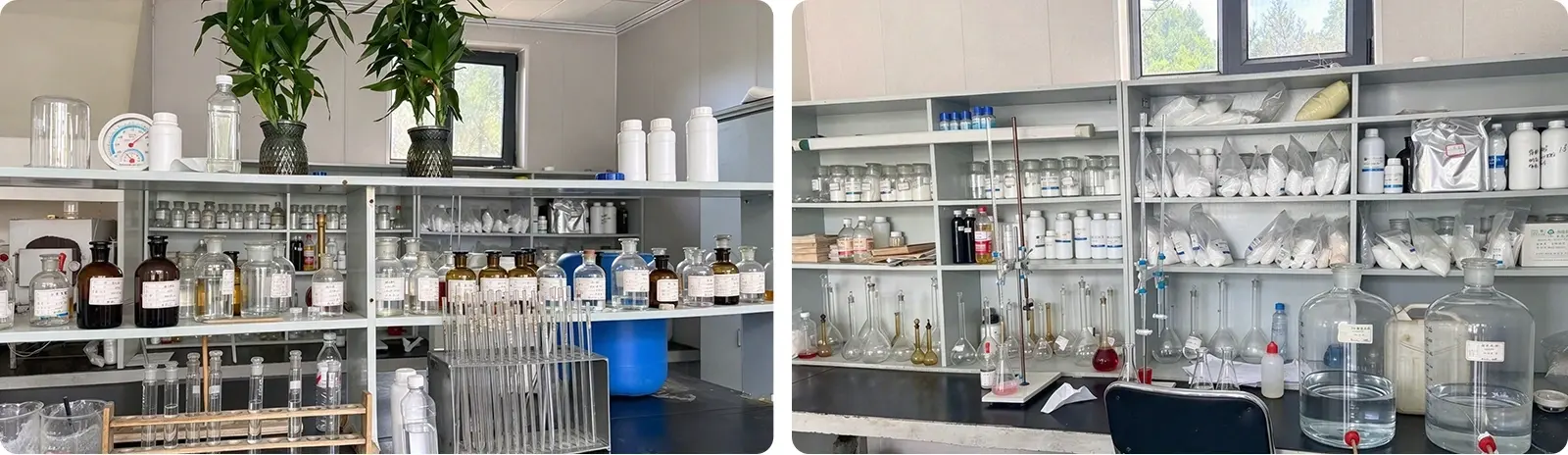
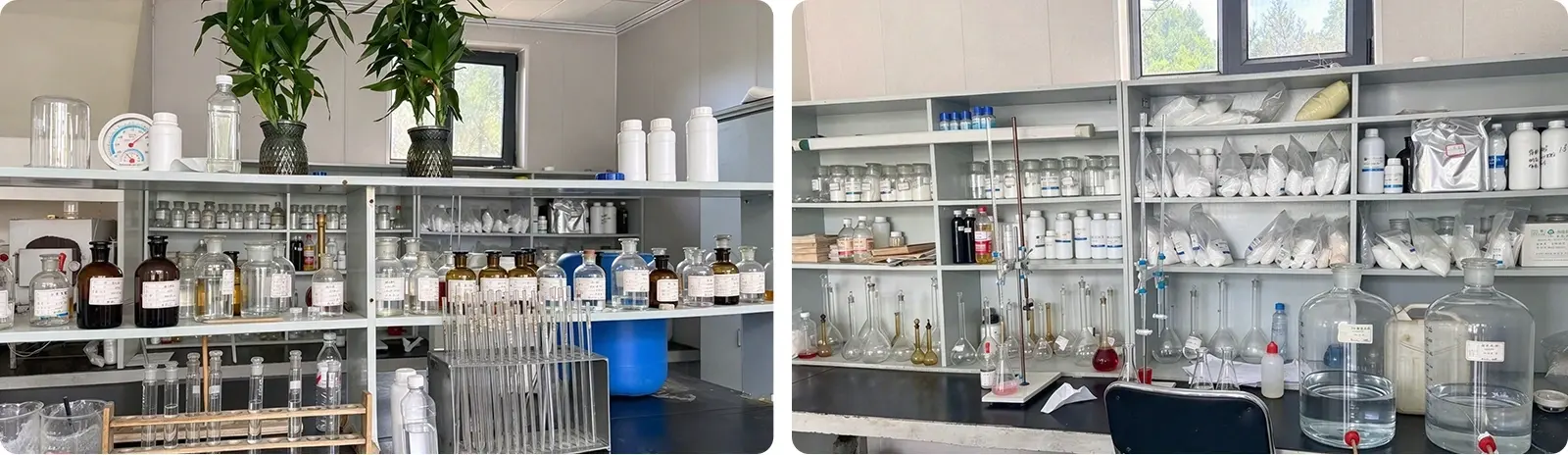
Every batch of Deicing Liquid Potassium Acetate goes through strict quality checks that are in line with SAE AMS 1435 standards. You get a Certificate of Analysis (CoA) that says the solid's specific gravity, pH, and content are all within the acceptable ranges for spray equipment.
Key testing protocols include:
Total Immersion Corrosion per ASTM F 483 – verifies the fluid does not attack aircraft aluminum, carbon brakes, or runway sensors
Sandwich Corrosion Testing per ASTM F 1111 – validates performance against aerospace-grade alloys
Refractive Index Measurement – enables fast field verification of concentration levels without laboratory equipment
As part of the EPA's environmental discharge rules, trace metal analysis confirms that low levels of heavy metals like lead and mercury are present.
These steps of verification are required and cannot be skipped. To protect the security of your purchase, they are built into the normal delivery process.
Certifications & Compliance
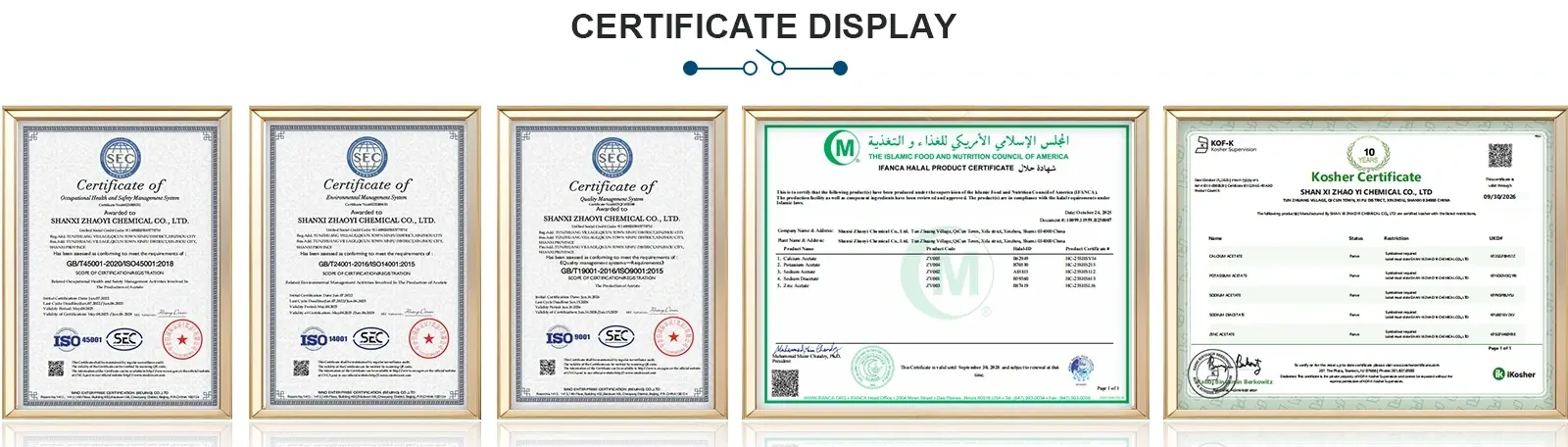
Shanxi Zhaoyi Chemical Co., Ltd. maintains the following certifications to support your supply chain compliance needs:
- ISO 9001 – Quality Management System Certification
- ISO 14001 – Environmental Management System Certification
- ISO 45001 – Occupational Health and Safety Management System Certification
- Kosher Certification
- Halal Certification (applicable food-grade products)
On-site factory audits by domestic and international customers are fully supported. Multilingual MSDS, COA, and conformity documentation can be provided based on your market requirements.
Packaging, Storage & Supply
Available packaging formats:
- 1000L IBC tanks
- Flexitanks (Flexibags)
Store in a dry, cool and ventilation warehouse away from heat and moisture. Store away from hazardous materials. For long term storage unlined carbon steel is not favoured over stainless steel (304/316) or HDPE containers because of mild discolouration.
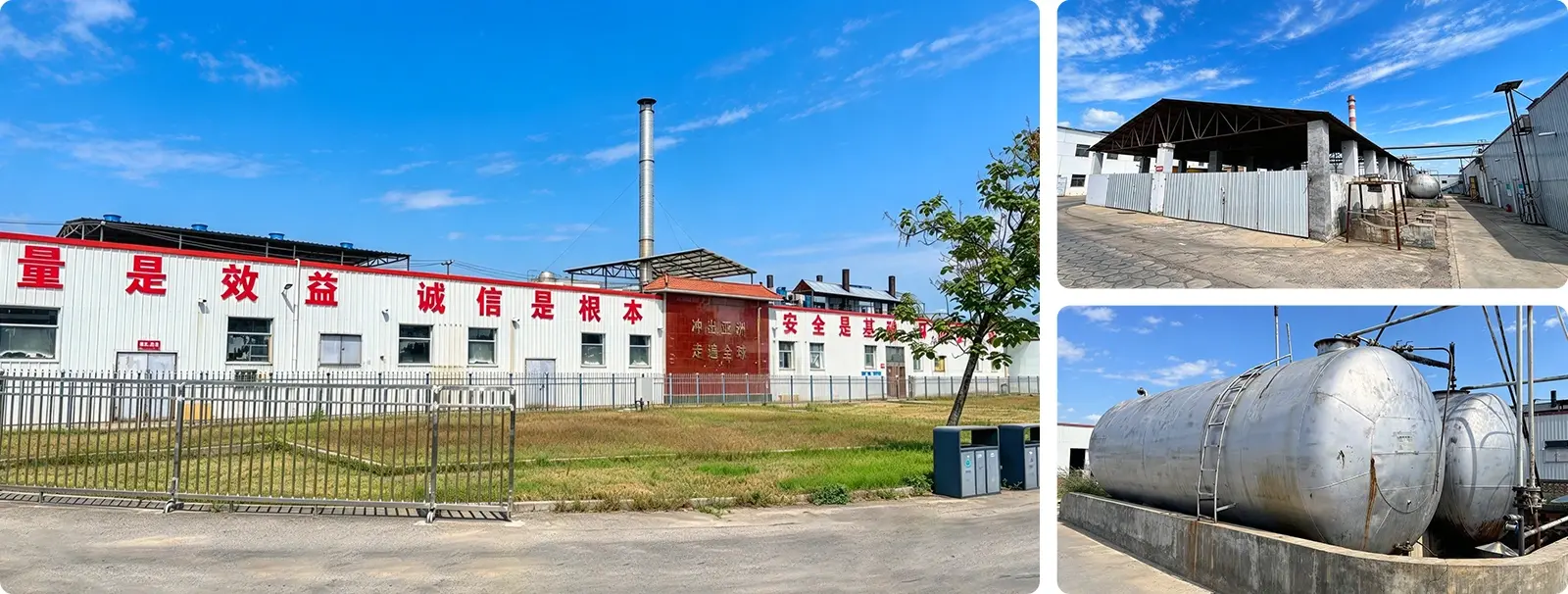
Shanxi Zhaoyi has a capacity of 150,000 tonnes per year with a 27,000 m2 plant, and has stable stock to serve standard and bulk volume demands. Stock orders are sent usually within 24 hours and fast filling is possible.
FAQ
Q:What are the features of this product that make it suited for airport runways?
A: As long as it meets SAE AMS 1435, has a corrosion inhibitor package, and a eutectic freezing point of -60°C, it is the international standard for deicing airside pavement. It also protects the alloys that are used in aeroplanes and the infrastructure of runways.
Q: Can liquid potassium acetate de-icer be used with propylene glycol or urea?
A: Do not store mixed. This will reduce the freezing point drop and may interfere with the corrosion inhibitor system that is particularly designed for acetate chemistry.
Q: How long is the shelf life of the product?
A: The food has an infinite shelf life as long as it is stored in sealed containers made of polyethylene, stainless steel, or fibreglass. After storing something for two years, the pH and concentration should be checked again every year.
Q:What about a carbon steel tank? Will this product rust it?
A: The product has corrosion inhibitors in it, but unlined carbon steel (304/316) or HDPE is best for long-term storage to keep any colour changes or sludge buildup to a minimum.
Q:What is its environmental comparison to urea-based de-icers?
A: It's a lot neater. Toxic ammonia for aquatic creatures results from the decomposition of urea. This product has a very low BOD and is biodegradable at low temperatures in a short time with no nitrogen compounds being released.
Q: What is the lowest effective working temperature?
A: The eutectic point is at -60 °C. The practical effective deicing performance is usually between -29°C and -35°C depending on the application rate, precipitation intensity and the dilution circumstances at the location.
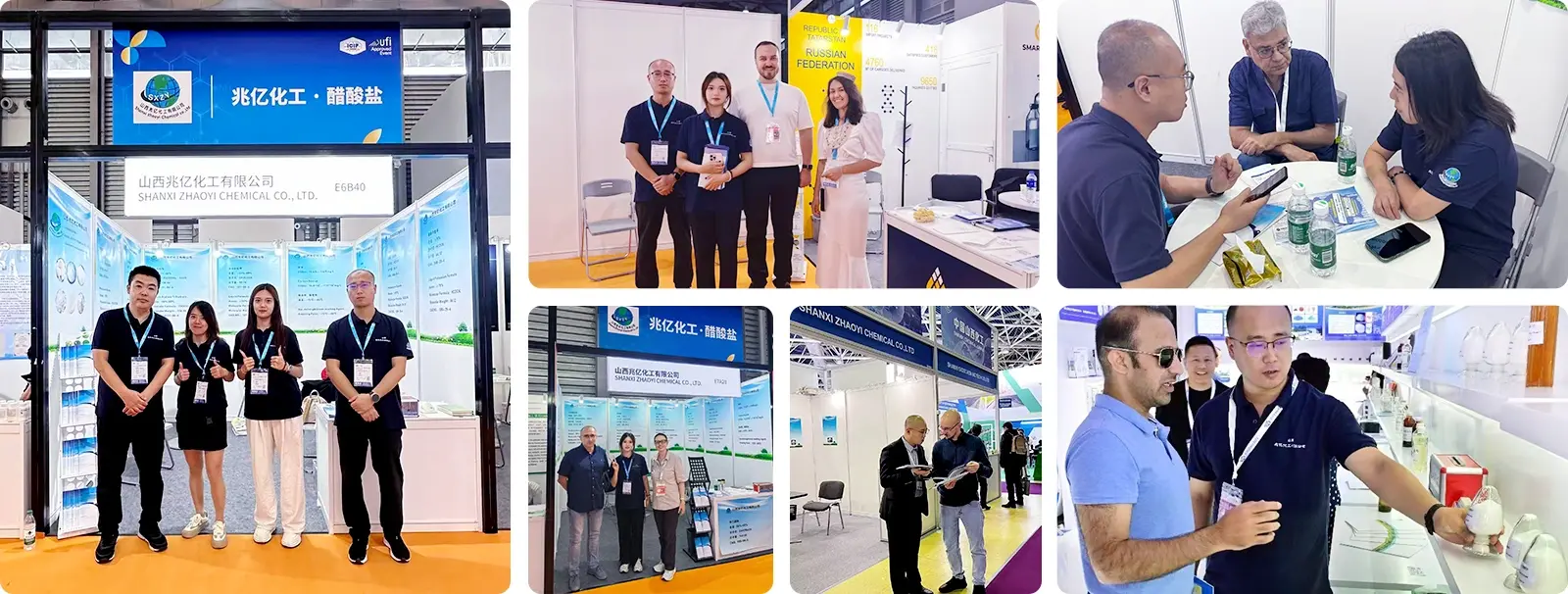
 Our Exhibitions
Contact Us
Ready to source? Email sxzy@sxzhaoyi.com for pricing, Deicing Liquid Potassium Acetate samples, and technical documentation. Our team responds within 2 hours.

USER EVALUATE
Here is the customer's evaluation of us
YOU MAY LIKE
 VIEW MORE50%-60% Liquid Potassium Acetate
 VIEW MOREPreservative Sodium Acetate Trihydrate
- VIEW MOREAgricultural Liquid Potassium Acetate
 VIEW MOREOilfield Liquid Potassium Acetate
 VIEW MOREDrilling Liquid Potassium Acetate
 VIEW MORESnow Melting Liquid Potassium Acetate
 VIEW MOREPharmaceutical Solid Potassium Acetate
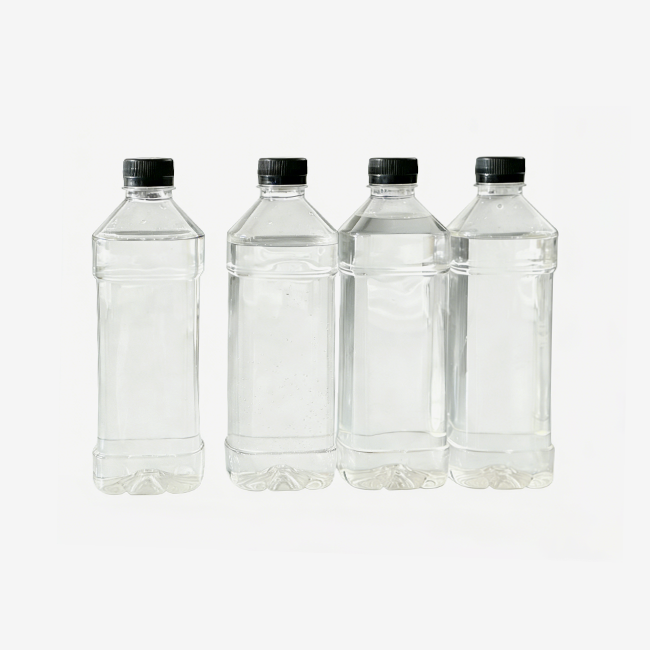 VIEW MOREIndustrial Catalytic Liquid Potassium Acetate