



Snow Melting Liquid Potassium Acetate for Runways and Taxiways
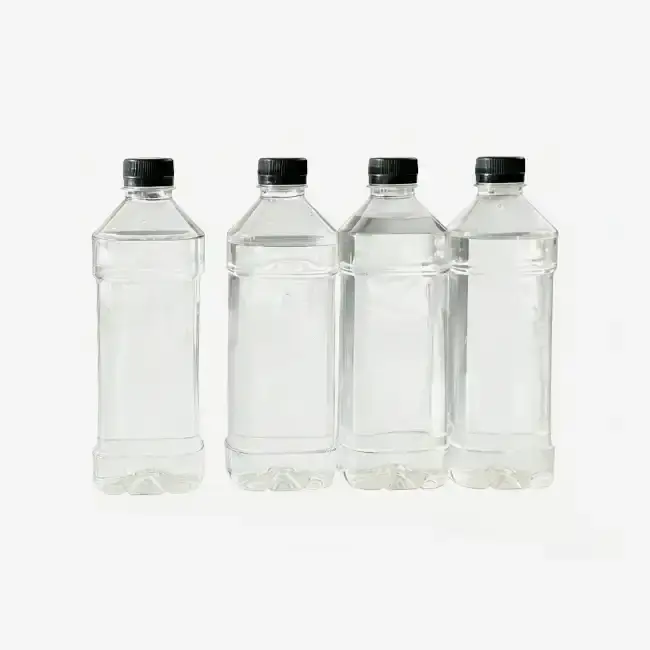
When winter storms hit airports, every minute of runway downtime carries serious operational and safety costs. Snow melting liquid potassium acetate(CAS NO.: 127-08-2) (LPA) has become the industry-preferred non-chloride deicing solution for runways and taxiways across North America and beyond. With a molecular formula of CH₃COOK (CAS No. 127-08-2), this colorless liquid works at temperatures as low as -35°C, delivers a snow-melting rate of ≥85% within one hour at -25°C, and produces zero corrosive damage to aircraft aluminum structures — making it the benchmark fluid for aviation ground operations.
Understanding Liquid Potassium Acetate and Its Role in Snow Melting
What Makes LPA Chemically Distinct?
Potassium acetate in liquid form is a stabilised water solution of CH₃COOK that is 50–60% concentrated. It dissolves well because its molecular weight is 98.14 g/mol, and its pH range of 7.5–9.2 protects metal surfaces from damage instead of attacking them. In contrast to sodium chloride, which stops working below -9°C, potassium acetate stays useful at working amounts down to -35°C. Soil microbes can easily break down the acetate ion (95% biodegradability), which makes LPA much better for the environment than chloride-based options.
How It Performs on Runways and Taxiways?
Since potassium acetate is a ready-to-use liquid, it can be applied directly to the pavement, skipping the endothermic dissolution lag that solid deicers need. Within minutes, it breaks through the ice-pavement contact and lifts the bond before the ice can form again. Ground crews at airports use it both as a pre-treatment anti-icing spray before it starts to snow and as a direct deicing agent while it's snowing. It fully meets the zero Foreign Object Debris (FOD) standards set by airline airside operations because it doesn't leave behind any grit or particulate residue.
Advantages of Liquid Potassium Acetate over Traditional Deicing Methods
When purchasing teams look at runway deicers like snow melting liquid potassium acetate, they always come back to three main performance categories: preventing rust, protecting the environment, and running efficiently. Calcium chloride, magnesium chloride, and urea-based products can't compare to potassium acetate when it comes to all three of these things.
Here are the core technical advantages that set liquid potassium acetate apart:
- Non-corrosive formulation: Corrosion rates on carbon steel stay at ≤0.03 g/m²·h, which meets the requirements of Aerospace Material Specification (AMS) 1435. At the same time, this saves the landing gear, brake assemblies, aluminium fuselage panels, and rebar that is buried in concrete sidewalks.
- Immediate liquid activation: No waiting for dissolution. The solution works when it comes into contact with something, which is very important during storms that move quickly and leave little time for responses.
- Biodegradability ≥95%: Low BOD and COD flow means that NPDES stormwater discharge permits can be followed without having to take extra steps to clean up the water.
- Compatibility with FAST systems: Its low viscosity at temperatures below zero lets it flow freely through Fixed Automated Spray Technology tubes on bridge decks and yard areas without getting clogged.
These performance traits directly lead to lower long-term costs for fixing infrastructure, fewer maintenance flags for aeroplanes due to chemical exposure, and measurable increases in operating uptime during winter weather events.
Procurement Considerations for Liquid Potassium Acetate
There's more to choosing the right potassium acetate provider than just checking prices per litre. Before signing a supply deal, people who work in procurement for airports and city facilities should make sure of the following.
Certifications and Quality Standards
Our company, Shanxi Zhaoyi Chemical Co., Ltd., is certified in ISO 9001 (quality management), ISO 14001 (environmental management), and ISO 45001 (health and safety at work) for snow melting liquid potassium acetate. The company's KOSHER and HALAL certifications show that it is committed to high production standards in a wide range of global markets. Before being shipped, each production batch is checked for its refractive index, AMS 1435 corrosion compliance, pH stability, and heavy metal content (Pb ≤0.01%, As ≤0.0004%).
Supply Chain and Logistics
Shanxi Zhaoyi Chemical keeps safety stock levels that allow for quick fulfilment. The company has a facility that was built in 1988 and covers 27,000 m² and can produce 150,000 tonnes of chemicals every year. Usually, it takes 5–7 working days to make something. The product is shipped in either 1,000L IBC tanks or flexibags, which are both designed to make bulk transport as cheap as possible. Strategic relationships with foreign goods companies make sure that delivery times are always met at all US ports of entry.
Documentation and Compliance Support
As usual, a reliable provider will give you Safety Data Sheets (SDS), certificates of analysis, and paperwork that shows you're following the rules. The expert team at Shanxi Zhaoyi Chemical answers questions within two hours and helps buying teams figure out how to meet FAA-aligned standards or state environmental discharge requirements.

Safe Handling and Storage of Liquid Potassium Acetate in Industrial Settings
To properly handle this deicing fluid, you need to keep a few useful things in mind that protect people and keep the product's quality. Keep LPA in sealed polyethylene or stainless steel containers in a dry building with good airflow, away from sources of heat and water. SDS guidelines say that storage must be kept separate from substances that don't mix.
Key Storage Parameters
Keeping the temperature stable during transport for snow melting liquid potassium acetate stops changes in concentration that could make the freezing point higher. Care must be taken when handling containers so that they don't get damaged, which could let air in and cause pollution or loss through evaporation. When storage instructions are followed correctly, the shelf life is almost infinite, which means that buying in bulk is possible without the risk of quality loss.
Future Trends and Technological Advancements in Snow Melting Solutions
Precision applications and data-driven methods are becoming more popular in the aircraft deicing market. Airport officials are using weather-responsive automatic spray systems more and more. These systems use real-time pavement temperature monitors to apply LPA, which uses 20–30% fewer chemicals than blanket spraying by hand.
Formulation study is also moving forward. Scientists are looking into additive packages that can lower the overall BOD load of the solution and make the freezing point curve even flatter. Shanxi Zhaoyi Chemical can customise its products by making changes to the formulas to fit the environment of different areas and working with other companies on joint development programs to meet specific operating needs. This puts procurement teams in a good position to use next-generation solutions as they become commercially available.
Conclusion
Snow melting liquid potassium acetate(CAS NO.: 127-08-2) is the most popular deicer in flight because it fixes real practical problems, like the damage that corrosion does to expensive aeroplane gear, the damage that chloride runoff does to the environment, and the delays that slow-acting solid deicers cause. With a freezing point of ≤-35°C, a biodegradability rating of ≥95%, and full compliance with AMS 1435 standards, it is the safest and most reliable deicing fluid for runways and taxiways. This product has been sold on an industrial scale by Shanxi Zhaoyi Chemical Co., Ltd. since 1988. They have ISO, KOSHER, and HALAL certifications to back this up. It is an easy choice for buying teams that want to be sure of quality and quantity.
FAQ
What effective temperature range does liquid potassium acetate cover?
At a working concentration of 50–60%, LPA lowers the freezing point to -35°C according to our product standards. At its highest concentration, it can also work as a eutectic up to -60°C. This range includes the coldest temperatures that major US airports have reported as being safe to fly in.
How does it compare to sodium chloride for runway use?
Sodium chloride stops working at temperatures below -9°C and eats away at steel rebar and aeroplane metals very quickly. Potassium acetate is still useful below that level, and it meets the corrosion standards set by AMS 1435. This makes it the approved choice for operations on the ground.
What certifications should I verify from a supplier?
Check that the SDS paperwork and ISO 9001, ISO 14001, and AMS 1435 requirements are met. Shanxi Zhaoyi Chemical has these approvals, as well as KOSHER and HALAL approvals.
Is LPA compatible with automated spray systems?
Yes. Its low viscosity at temperatures below zero lets it flow through FAST system valves without stopping or freezing.
What packaging options are available for bulk orders?
Shanxi Zhaoyi Chemical sells LPA in 1,000L IBC tanks and flexibags, which are both meant to make moving and storing bulky items easier.
Partner with SHANXI ZHAOYI CHEMICAL for Your Deicing Supply Needs
SHANXI ZHAOYI CHEMICAL CO., LTD. is a reliable company that has been making snow melting liquid potassium acetate(CAS No.: 127-08-2) for over 35 years and can produce 150,000 tonnes of it every year. Our liquid potassium acetate is ISO-certified and meets aviation-grade AMS 1435 standards. It ships all over the world in 5–7 days. Get in touch with our expert team right away to get product specs, SDS files, or a bulk quote. Email us at sxzy@sxzhaoyi.com or visit sxzhaoyi.com.
References
1. Federal Aviation Administration (FAA). Airport Winter Operations: Pavement Deicing Products and Practices. FAA Advisory Circular AC 150/5370-10, 2021. https://www.faa.gov/airports/resources/advisory_circulars/index.cfm/go/document.current/documentNumber/150_5370-10
2. SAE International. AMS 1435D: Fluid, Generic, Deicing/Anti-Icing Runways and Taxiways. SAE Standards, 2018. https://www.sae.org/standards/content/ams1435d/
3. Transportation Research Board. Airport Ground Deicing Operations and Environmental Compliance. ACRP Report 14, National Academies Press, 2009. https://nap.nationalacademies.org/catalog/14146/airport-ground-deicing-operations-and-environmental-compliance
4. Shi, X., Fay, L., Peterson, M. M., & Yang, Z. Corrosion of Deicers to Metals in Transportation Infrastructure: Introduction and Recent Developments. Corrosion Reviews, 2010, 28(3–4), 185–206. https://doi.org/10.1515/CORRREV.2010.28.3-4.185
5. U.S. Environmental Protection Agency (EPA). Effluent Limitations Guidelines and Standards for the Airport Deicing Category. EPA Final Rule, Federal Register Vol. 77, No. 52, 2012. https://www.epa.gov/eg/airport-deicing-effluent-guidelines
6. Transportation Research Board. Automated Fixed Deicing Systems for Bridges and Transportation Infrastructure. NCHRP Synthesis 530, National Academies Press, 2018. https://nap.nationalacademies.org/catalog/25227

USER EVALUATE
Here is the customer's evaluation of us
YOU MAY LIKE
 VIEW MOREChemical Fiber Sodium Acetate Trihydrate
 VIEW MOREMetal Bridge Snow Melting Agent
 VIEW MOREFeed Fresh-Keeping Sodium Diacetate
 VIEW MOREPharmaceutical Intermediate Liquid Potassium Formate
 VIEW MOREDrilling Liquid Potassium Acetate
 VIEW MOREMetal Bridge Solid Potassium Acetate
 VIEW MOREOilfield Solid Potassium Acetate
 VIEW MOREPrinting & Dyeing Sodium Acetate Anhydrous