



Potassium organic acid raw materials for potassium fertilizer formulations for cash crops
Potassium acetate and potassium formate are offered to makers of water-soluble, liquid and speciality fertilisers for assessment as sources of potassium. Potassium needs of fruit trees, grapevines and greenhouse fruits and vegetables are different and fertiliser formulations should be based on the examination of soil or substrate, irrigation water quality and crop development stage.
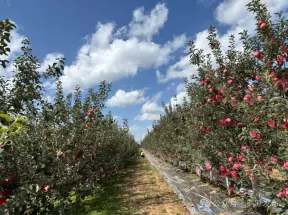
Where is potassium acetate used
Potassium acetate may be used as a chloride free potassium source in certain water soluble fertiliser formulations. In the development of drip irrigation fertilisers or foliar fertilisers the most important factors are the potassium concentration, solubility and compatibility with calcium, phosphorus and trace elements.
Where is potassium formate used
Potassium formate may also be used as a source of potassium in formulation studies. Only after assessment of raw material characteristics, electrical conductivity of the product, crop tolerance and overall costs can the appropriateness of the raw materials for certain crops and application techniques be determined. The absorption rates are not necessarily the same as the predicted potassium oxide (K2O) equivalent.
Formulation Development
Calculate the real potassium concentration and K2O equivalent for each of the two feedstocks. Small scale testing for solubility, low temperature stability, precipitation on mixing and storage performance, then field experiments for yield and quality comparison.
Key Points for Material Selection
Raw ingredients are not the same as certified organic agriculture inputs (finished fertilisers). Fertiliser registration, product labelling and organic production standards are different in each market and need to be checked independently depending on where the final product is marketed.

USER EVALUATE
Here is the customer's evaluation of us