



Acetate raw materials for acidity regulation in beverages
For the formulation beverage firms may test food-grade sodium acetate trihydrate and potassium acetate. Drinking water, fruit juices and sports drinks have different formulae. Enterprises should analyse the food category and additive restriction of target market. Then, decide the raw material need and dose levels.

Where is sodium acetate trihydrate used
Sodium acetate is water soluble and may alter the acidity of drinks. An acetate buffer system requires the correct acid, sodium acetate cannot buffer the pH of the drink on its own.
Uses of Acetate of Potassium
To control how acidic drinks are, potassium acetate can be used. If it is used as a potassium source, it needs to be looked at separately for labels, nutritional additives, and potassium level. Since this ingredient has potassium in it, it can't have a nutrition claim on it.
Drivers for procurement and Allocation
Ensure food grade requirements, active content, contaminants and dissolving properties before purchasing. Make tiny samples. Evaluate acidity, flavour, clarity and sedimentation after storage. Determine sequence of addition and concentration by method of manufacture.
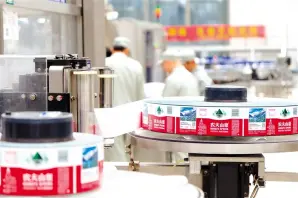
Finished Product Verification
Acidification is not a substitute for sterilisation, filling or packing. Sports drinks and fruit juices should be examined for colour, microbiological quality and shelf life. Final product testing provides the criteria for all performance parameters.

USER EVALUATE
Here is the customer's evaluation of us