



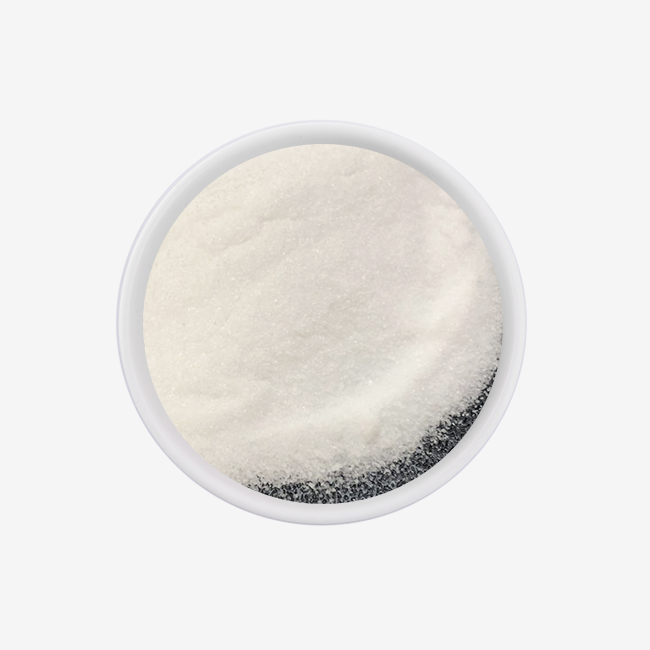
Snow Melting Solid Potassium Acetate
CAS NO.: 127-08-2
Molecular Formula: CH3COOK
Molecular Weight: 98.14
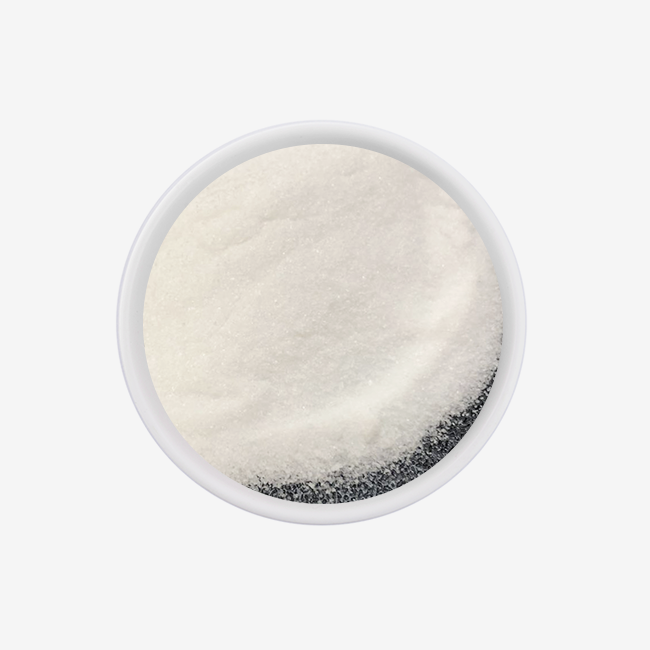
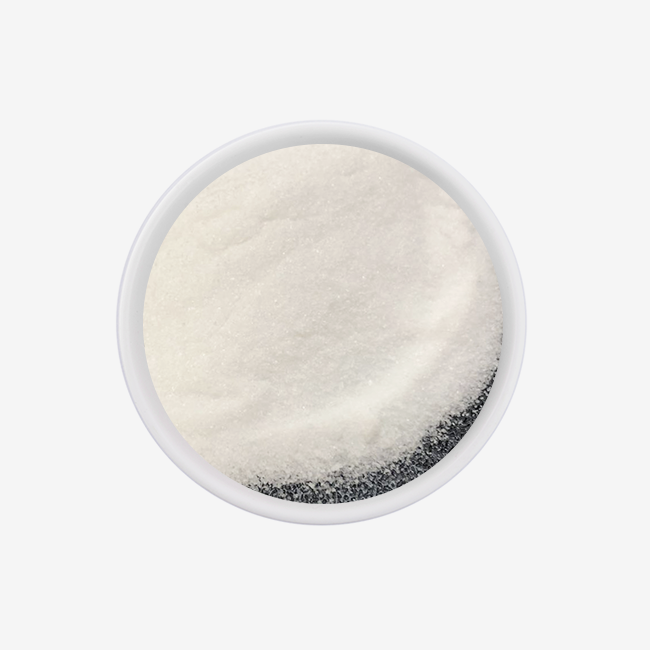
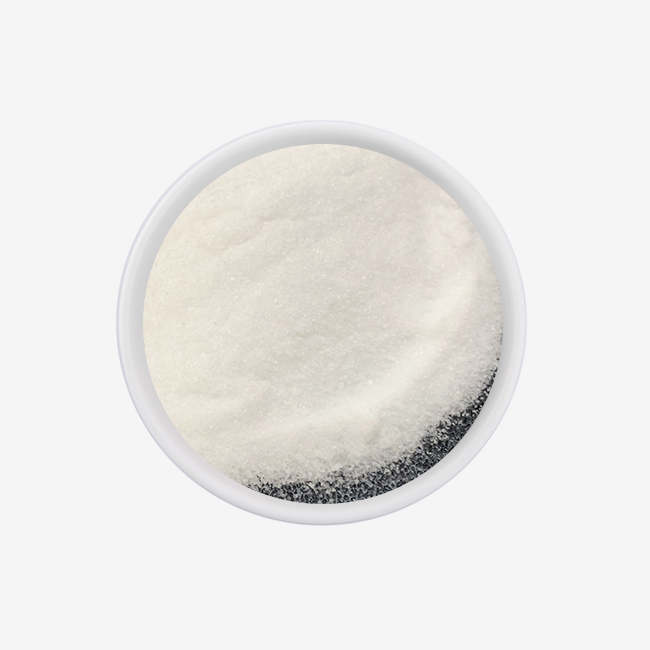
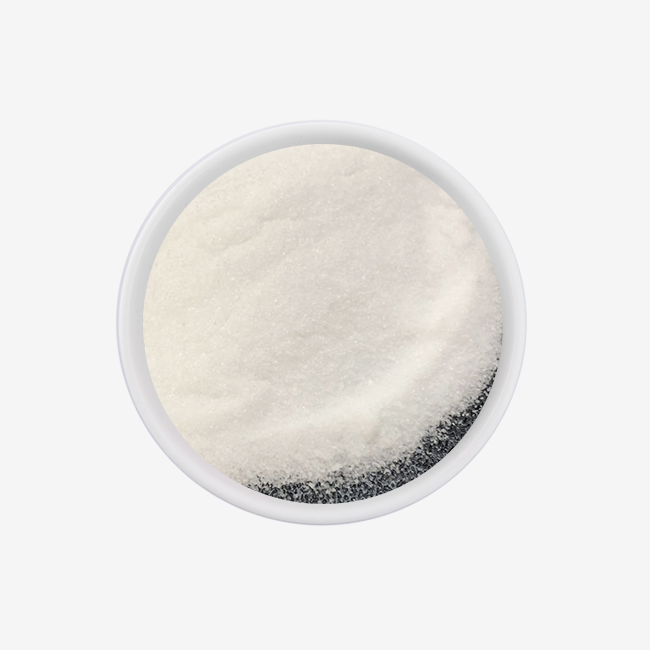
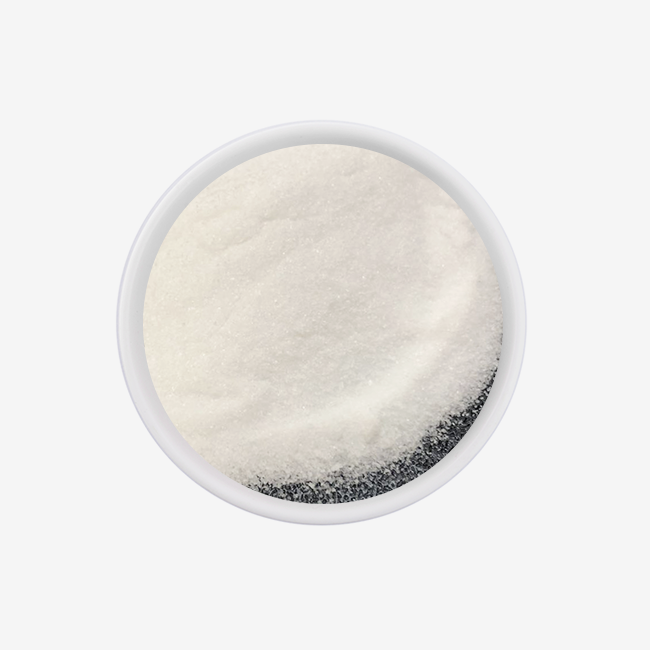
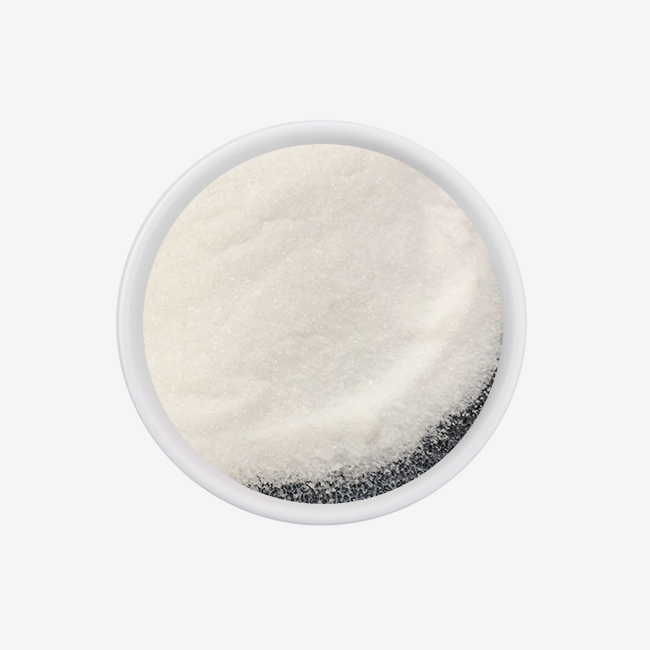
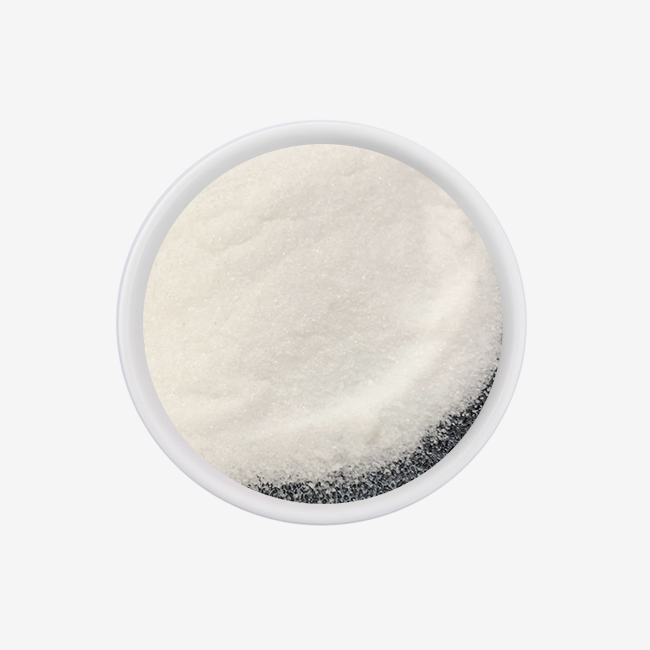
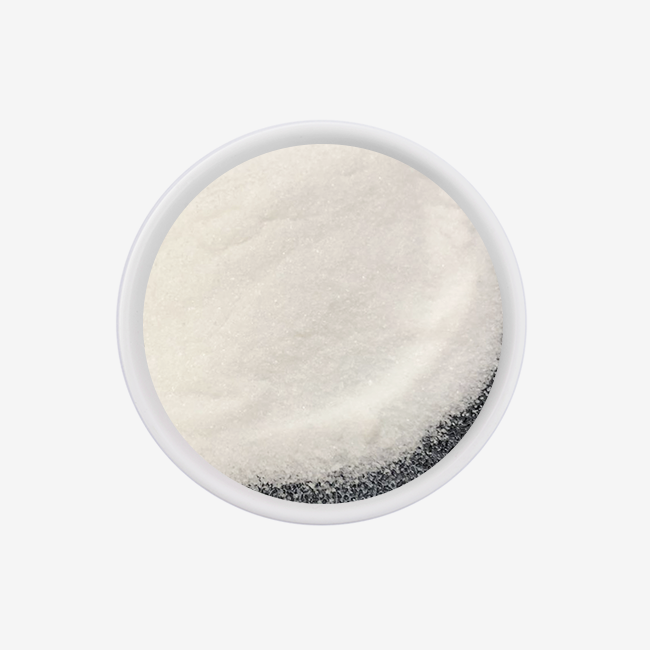
Character: white crystal and it is easily soluble in water, acid and alcohol.
Usage: It is used as buffer agent, diuretic of Benzylpenicillin potassium, chemical reagent, industrial catalyst, auxiliaries, and also used in snow & ice melting agent, fertilizer and oilfield drilling.
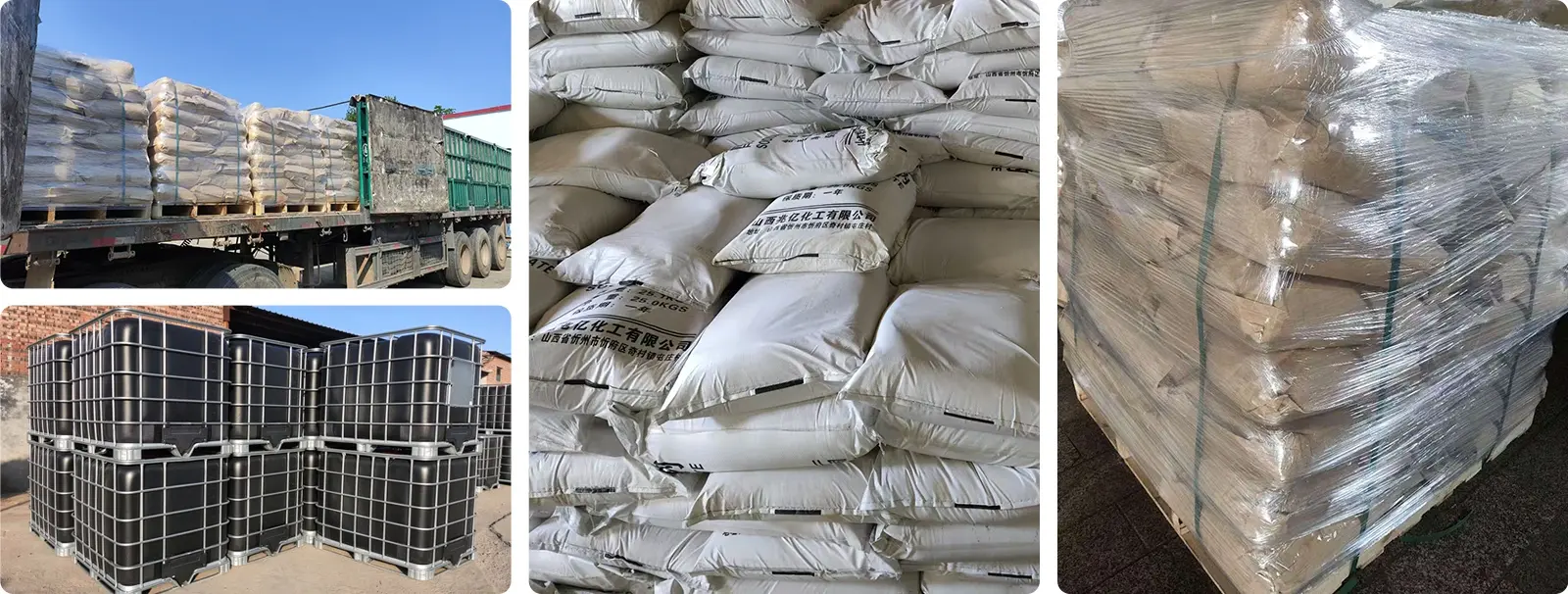
Package: 25kg plastic woven bag or 1000kg Ton-bag
Storage: It should be stored in a dry and ventilative warehouse, kept away from heat and moisture during transportation, unloaded with care so as to avoid damage. Furthermore, it must be stored separately from poisonous substances.
- Product Description
Snow Melting Solid Potassium Acetate | Non-Chloride Ice Melter | Airport & Infrastructure Grade De-Icing Solution
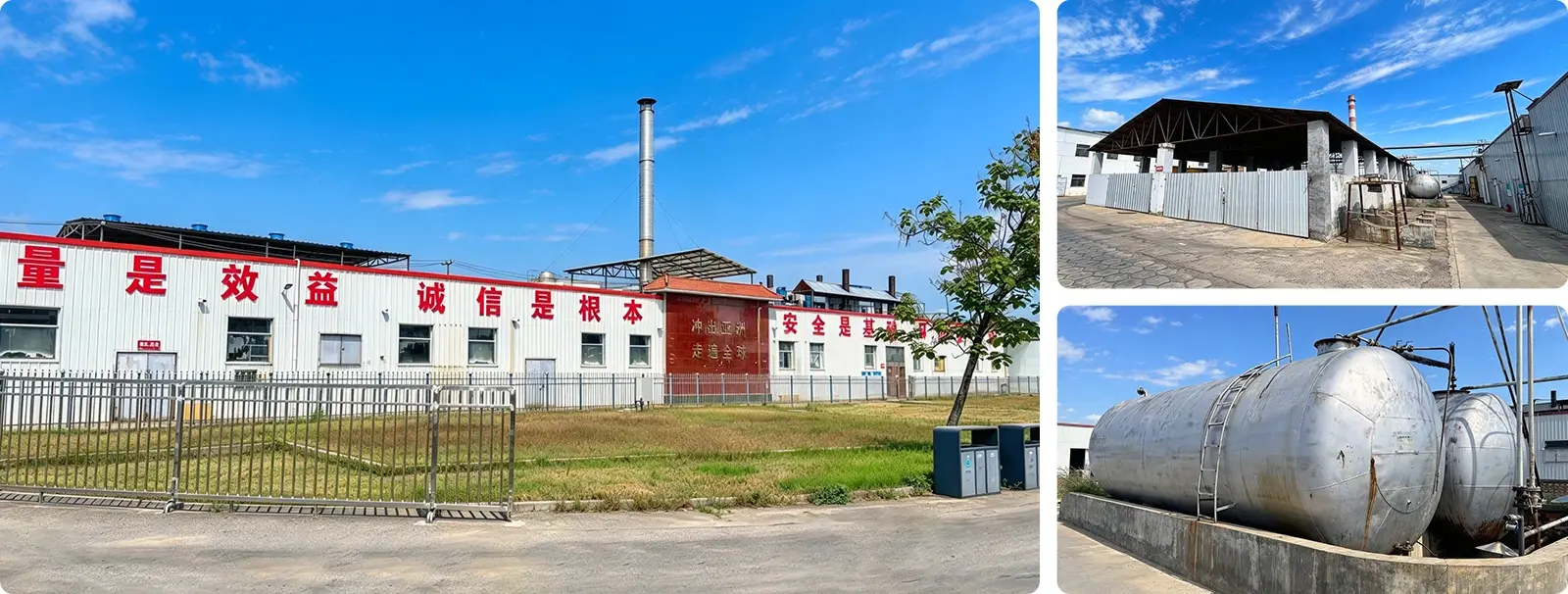
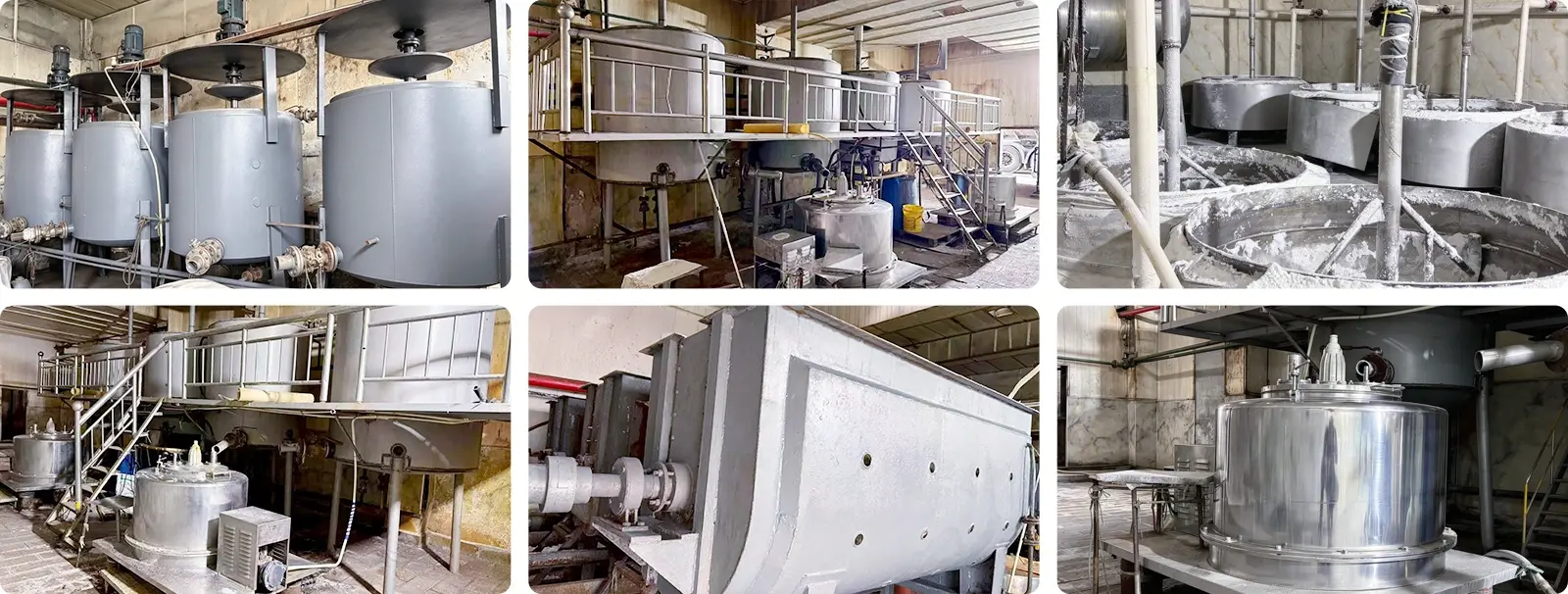
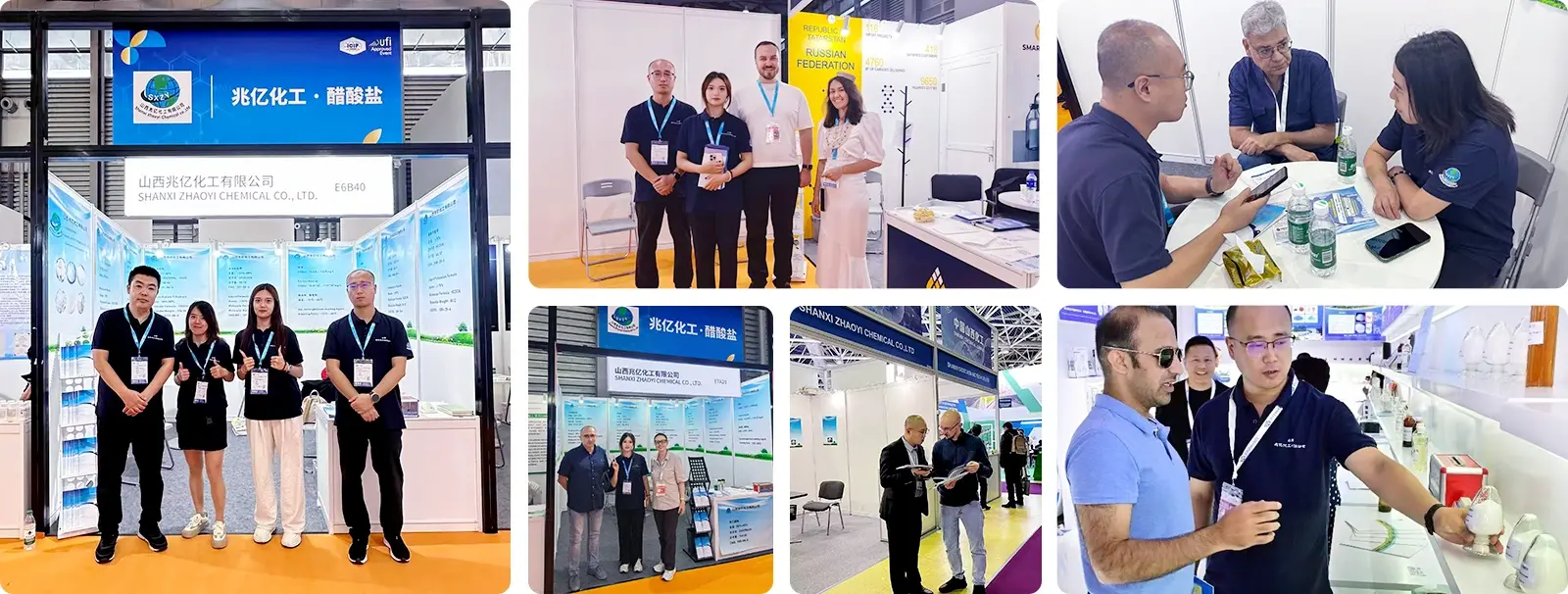
Snow Melting Solid Potassium Acetate (CAS No. 127-08-2) is a high-performance, non-chloride de-icing agent engineered for extreme cold environments and sensitive infrastructure. Produced by Shanxi Zhaoyi Chemical Co., Ltd. — founded in 1988 with over 30 years of acetate chemistry expertise — In actual use, this substance reliably melts ice down to -30C with a theoretical eutectic point of -60C. We have an annual manufacturing capacity of 150,000 tons and a facility of 27,000 m², which allows us to provide a reliable supply, uniform batch quality, and flexible packaging in 25 kilogram bags or 1,000 kg ton bags.
Technical Specifications
Parameter | Specification |
Content (CH3COOK) | ≥99.0% |
Molecular Formula | CH3COOK |
Molecular Weight | 98.14 g/mol |
CAS Number | 127-08-2 |
Appearance | White crystals |
Water Insoluble Matter | ≤0.05% |
Chloride (Cl) Content | ≤0.2% |
Iron (Fe) Content | ≤0.05% |
pH (in solution) | 9-11 (alkaline buffer) |
Working Temperature Range | Effective to -35°C |
Snow Melting Rate | ≥85% within 1 hour at -25°C |
Corrosion Rate (Carbon Steel) | ≤0.03g/m²·h |
Corrosion Rate (Concrete) | ≤0.01mm/year |
Biodegradability | ≥95% |
Solubility | Easily soluble in water, acid, alcohol |
What Makes Potassium Acetate the Superior Ice Melter?
De-icers like sodium chloride, calcium chloride and magnesium chloride may be harmful to concrete, steel rebar and the environment . In potassium acetate it approaches it in another way.
Soil bacteria break this green, biodegradable, non-corrosive compound down to carbon dioxide and water. It preserves nearby plants, drainage systems and sensitive infrastructure better than rock salt.
If you're seeking a potassium acetate ice melter that delivers on both performance and environmental fronts, this product does just that. It's the preferred choice wherever protecting assets matters as much as clearing ice.
Key Product Characteristics
Instant activation upon contact. When potassium acetate touches ice or compacted snow, it triggers an exothermic reaction that begins melting immediately. You don't have to wait for a slow chemical process — it works fast, even in severe cold.
It is rather hygroscopic in nature. This substance is hygroscopic in nature and takes moisture from the surrounding environment and forms brine layer fast. A brine coating prevents ice from sticking back to surfaces, extending the protective window for a longer period of time than other methods.
Metals and concrete are not corroded by it. The chemical damage that chloride salts cause to concrete paste, freeze-thaw spalling, and steel reinforcement is not present in this de-icer. Aluminum alloys, carbon brakes, structural steel, and other aerospace-grade materials may be utilized safely with this.
Slightly alkaline buffer effect. Because of its inherent buffering properties, potassium acetate keeps surfaces in high-traffic areas from deteriorating too quickly in acidic environments (pH 9–11).
Applications: Where This Product Performs Best
Airport Runways and Aprons
This is the benchmark application for the product. Airports throughout the globe need de-icing products that won’t harm aircraft electronics, landing gear or composite materials. Potassium acetate meets the rigorous BOD (Biological Oxygen Demand) discharge requirements that apply to runway runoff, and is the industry standard for aviation ground operations.
Bridges, Parking Decks, High Value Infrastructure
Bridges and parking constructions' exposed steel rebar is subject to chloride penetration. One season of chloride de-icing may cause corrosion cycles and costly structural repairs. Potassium acetate eliminates that risk, preserving reinforced concrete and masonry.
Industrial and business sensitive surroundings
Railroad switches, radar installations, hospital entrance zones, and data center access roads have zero tolerance for equipment damage or access disruption. Snow melting potassium acetate resists quick freeze-thaw cycles, keeping surfaces friction-free and corrosive-free.
Snow Melting Solid Potassium Acetate vs Other Products
Feature | Snow Melting Solid Potassium Acetate | Sodium Chloride (Rock Salt) | Calcium Chloride | Urea |
Working Temperature | -35°C to -60°C (eutectic) | -10°C to -15°C | -25°C to -30°C | -5°C to -10°C |
Corrosion on Steel | Negligible (≤0.03g/m²·h) | Severe (aggressive) | High (hygroscopic damage) | Moderate |
Concrete Safety | Excellent (no spalling) | Poor (causes scaling) | Moderate (surface damage) | Good |
Environmental Impact | Biodegradable (≥95%) | High salinity toxicity | Soil contamination | High BOD runoff |
Activation Speed | Instant (exothermic) | Slow (requires sunlight) | Fast (exothermic) | Very slow (endothermic) |
Infrastructure Cost | Low long-term maintenance | High repair/replacement | Moderate damage costs | Moderate effectiveness |
Aviation Compatibility | Fully compliant | Not approved | Not approved | Limited approval |
Quality Control and Documentation
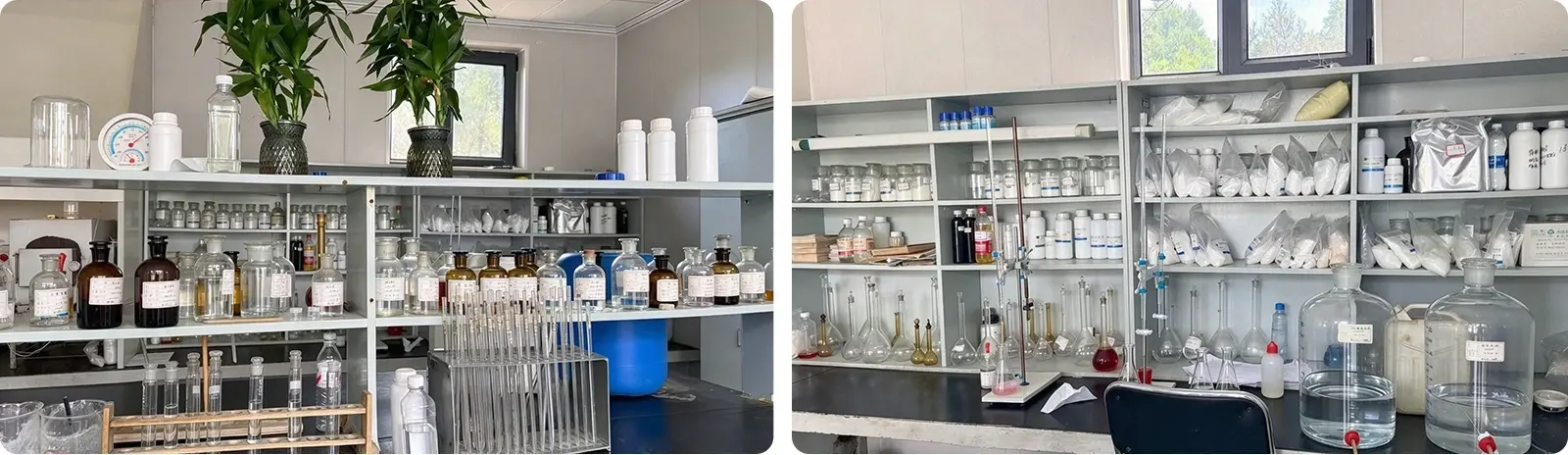
Consistent quality of Snow Melting Solid Potassium Acetate starts with rigorous process control at every production stage. Here is how quality is managed at the batch level:
Purity verification confirms assay values exceed 98%, ensuring the expected freezing point depression is reliably achieved in field conditions.
Moisture control is maintained below 1.0%, with anti-caking measures applied to preserve flowability and prevent spreader blockages during application.
Insoluble content is kept below 0.1%, which is critical when the product is dissolved into brine for liquid sprayer systems or when drainage sensitivity is a concern.
Trace metal screening verifies that heavy metals — including lead, mercury, and arsenic — remain below applicable environmental thresholds, supporting EPA and international ecological compliance requirements.
Every cargo is sent with full paperwork including MSDS, COA and multilingual compliance papers. The firm facilitates on site factory audit and arranging of third party inspection.
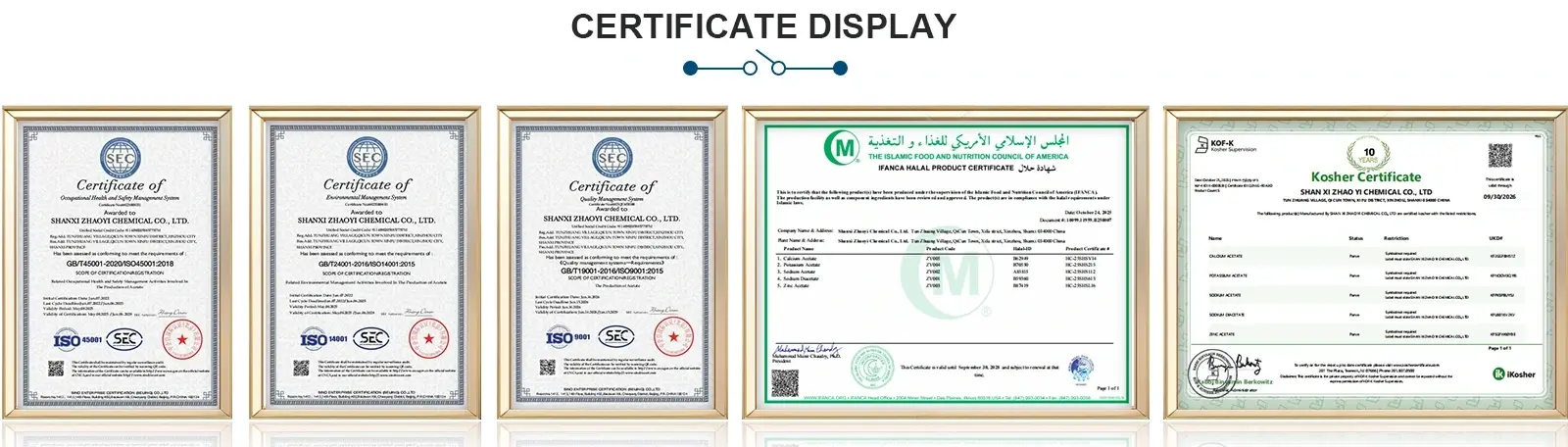
Certifications & Compliance
Shanxi Zhaoyi Chemical holds the following management system certifications relevant to the supply of this product:
- ISO 9001 — Quality Management System
- ISO 14001 — Environmental Management System
- ISO 45001 — Occupational Health and Safety Management System
Kosher Certification
Halal Certification (applicable food-grade products)
These certifications reflect the company's commitment to consistent quality, responsible environmental practices, and worker safety across all production operations.
Supply and Purchasing Advantages
As a reliable potassium acetate ice melter supplier, Shanxi Zhaoyi Chemical maintains safety stock of standard products to support urgent and medium-volume procurement needs.
- Standard production lead time: 5–7 working days
- Stock orders: Delivery arrangeable within 24 hours
- Customer inquiries answered within 2 hours
- 24/7 technical consultation support available
The firm offers FOB, CIF and DAP trade terms and provides customizable formulas, OEM packaging and multilingual paperwork to fulfill your target market needs.
FAQ
Q: What temperature does potassium acetate remain effective at, compared to rock salt?
A: Rock salt is not effective below -7°C. The product is active and fast-acting down to -30°C with a theoretical eutectic point of -60°C.
Q: Will this product harm plants or pets?
A: Yes. Soil bacteria spontaneously degrade acetate to carbon dioxide and water. It's safer for grass, plants, and animals than chloride.
Q: How should it be kept for product quality?
A: Store firmly closed in a dry, well-ventilated environment. Since potassium acetate is hygroscopic, incorrect storage will cause it to clump or liquefy, affecting spreading.
Q: How does potassium acetate compare to CMA?
A: Potassium acetate reacts faster and cooler than CMA. CMA is used as a corrosion inhibitor with salt, whereas potassium acetate is a high-performance de-icer.
Q: Will it damage cured concrete surfaces?
A: No It does not chemically attack concrete nor does it produce the freeze-thaw expansion damage associated with sodium chloride and is the ideal treatment for preservation of structural concrete.
Q: What paperwork can you give for import and compliance?
A: We have COA, MSDS, Packing List, Bill of Lading and multilingual compliance papers. We also support third party inspections and on-site factory audits.
Our Exhibitions
Contact Us
Ready to source Snow Melting Solid Potassium Acetate for your next project? Email us at sxzy@sxzhaoyi.com — our team responds within 2 hours.

USER EVALUATE
Here is the customer's evaluation of us
YOU MAY LIKE
 VIEW MOREIndustrial Solid Potassium Acetate
 VIEW MOREPharmaceutical Intermediate Solid Potassium Acetate
 VIEW MOREDisinfection Preparation Solid Potassium Acetate
 VIEW MOREMetal Bridge Solid Potassium Acetate
 VIEW MORECatalytic Solid Potassium Acetate
 VIEW MOREOilfield Solid Potassium Acetate
 VIEW MOREDrilling Solid Potassium Acetate
 VIEW MOREAirport Runway Solid Potassium Acetate