



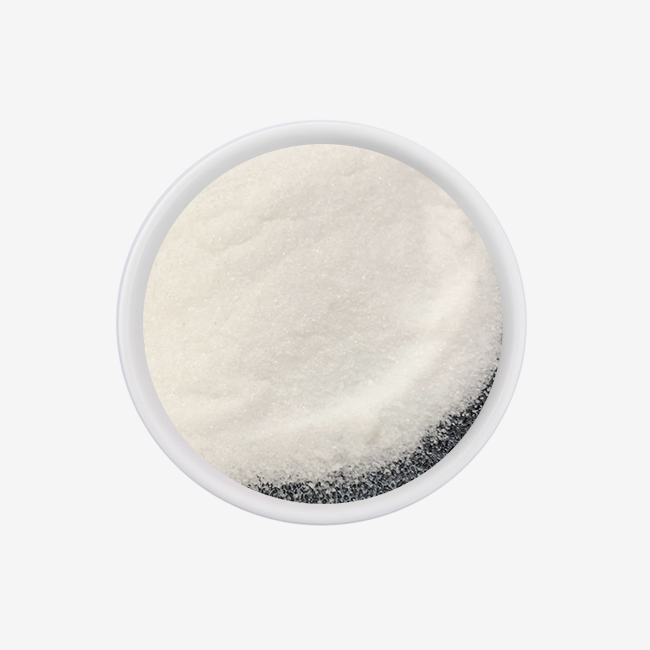
Drilling Solid Potassium Acetate
CAS NO.: 127-08-2
Molecular Formula: CH3COOK
Molecular Weight: 98.14
Character: white crystal and it is easily soluble in water, acid and alcohol.
Usage: It is used as buffer agent, diuretic of Benzylpenicillin potassium, chemical reagent, industrial catalyst, auxiliaries, and also used in snow & ice melting agent, fertilizer and oilfield drilling.
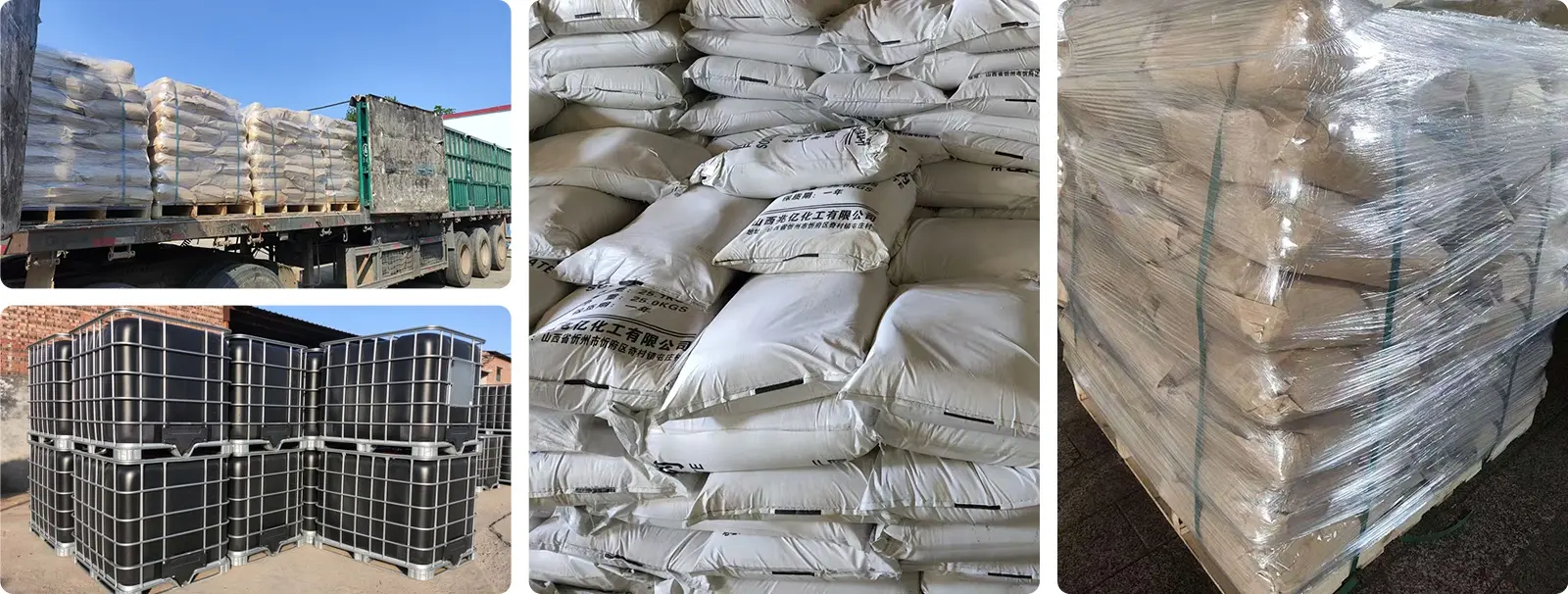
Package: 25kg plastic woven bag or 1000kg Ton-bag
Storage: It should be stored in a dry and ventilative warehouse, kept away from heat and moisture during transportation, unloaded with care so as to avoid damage. Furthermore, it must be stored separately from poisonous substances.
- Product Description
Drilling Solid Potassium Acetate for Oilfield Drilling — High-Purity Shale Inhibitor & Wellbore Stabilization Solution
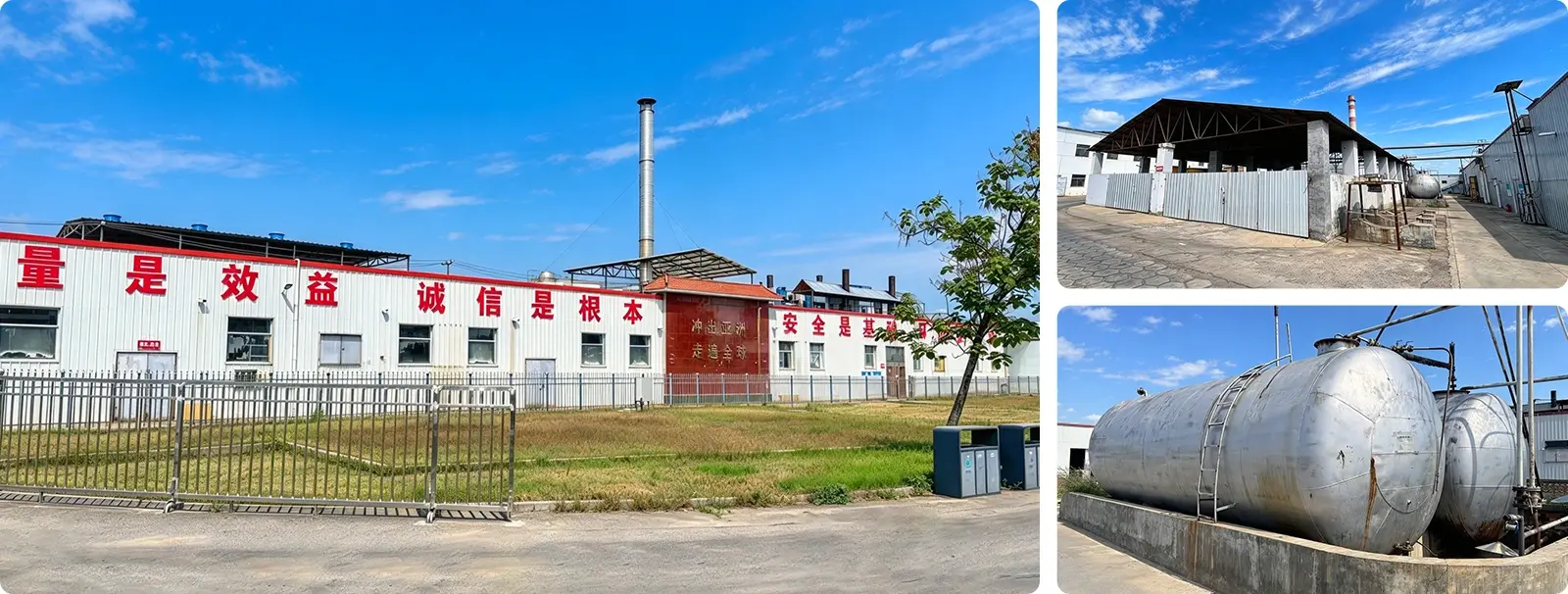
Drilling Solid Potassium Acetate (CAS No. 127-08-2) is a high-purity white crystalline organic salt with the molecular formula CH₃COOK and a molecular weight of 98.14. Produced by Shanxi Zhaoyi Chemical Co., Ltd. — a company with more than 30 years of expertise in the acetate sector and an annual capacity of 150,000 tonnes — this product has ≥99.0% purity, 253 g/100 ml water solubility at 20°C and thermal stability of more than 180°C. It is formulated as a chloride free shale inhibitor, wellbore stabiliser and freezing point depressant for High Performance Water Based Mud (HPWBM) in challenging oilfield settings.
Technical Specifications
Parameter | Specification |
Content (CH3COOK) | ≥99.0% |
CAS Number | 127-08-2 |
Molecular Formula | CH3COOK |
Molecular Weight | 98.14 g/mol |
Water Insoluble | ≤0.05% |
Chloride (Cl) | ≤0.2% |
Iron (Fe) | ≤0.05% |
Appearance | White crystalline powder |
Water Solubility | 253g/100ml at 20°C |
pH (Aqueous Solution) | 7.5–9.0 |
Thermal Stability | >180°C (356°F) |
What Makes Potassium Acetate the Right Choice for Drilling Operations?
The traditional chloride-based additions like KCl generate major complications on the rig. Corrosion on your drill string, damage to finishing gear, and ever expanding environmental prohibitions – notably offshore and in the arctic.
Potassium acetate drilling mud addition overcomes these problems by providing potassium ions (K+) without the damaging chloride ion. And the result? Good clay stabilisation, non-corrosive performance and complete conformity with existing environmental rules including North Sea OSPAR requirements.
It is slightly alkaline in aqueous solution (pH 7.5-9.0) and also functions as a natural buffer, so you can maintain drilling fluid stability throughout the whole wellbore.
Key Product Characteristics
This product is easily soluble in water, acid, and alcohol, making it straightforward to mix onsite to your exact target density.
Core performance advantages include:
· High Thermal Stability: Chemically stable at temperatures exceeding 180°C (356°F), providing a dependable solution for HTHP (High Temperature, High Pressure) well conditions.
· Non-corrosive chemistry – up-active protection of downhole tools and drill strings against corrosion, greatly increasing service life, unlike KCl brines.
· Lubricity Improvement: Creates a lubricating coating on the wellbore wall and thereby reduces torque and drag more efficiently than NaCl or KCl based fluids.
· Environmental Compatibility: Low BOD, rapidly biodegradable and suited for ecologically sensitive drilling areas.
· Biopolymer Compatibility: Compatible with xanthan gum and starch-based fluid loss additives and frequently improves the thermal stability of these additives.
Drilling Solid Potassium Acetate vs Other Products
Feature | Drilling Solid Potassium Acetate | Potassium Chloride | Sodium Formate | Liquid K-Acetate |
Purity | ≥99.0% | 95-98% | 96-98% | 70-75% solution |
Corrosion Rate | ≤0.03g/m²·h | High (chloride) | Moderate | ≤0.03g/m²·h |
Environmental Impact | Biodegradable | Chloride restricted | Moderate toxicity | Biodegradable |
Thermal Stability | >180°C | <150°C | <120°C | >180°C |
Logistics Cost | Low (solid) | Low (solid) | Moderate | High (liquid) |
Shale Inhibition | Excellent (≥90%) | Good (70-80%) | Poor | Excellent (≥90%) |
Lubricity | Superior | Poor | Moderate | Superior |
Freeze Protection | Excellent | None | Good | Excellent |
Application Scenarios — Where This Product Performs
Shale Inhibition in Reactive Formations
Among the various water-based methods, potassium acetate shale inhibition drilling performance is one of the best. Potassium ions penetrate the clay lattice directly. This reduces the interlayer hydration gap and prevents swelling and sloughing of the clay.
This wellbore stability is critical in formations where oil-based mud is prohibited due to environmental restrictions. You get OBM-level shale control without the environmental liability.
Deep Water and Arctic Operations
Freeze protection is a must in sub-zero settings and deep water risers. The colligative qualities of this additive efficiently decrease the freeze point, prevent gas hydrate formation and preserve rheological flow assurance in cold-climate drilling programs.
Horizontal Well Drilling
In long horizontal sections, clay hydration and high friction between the drill string and wellbore wall are constant risks. This product inhibits clay expansion in the horizontal section, reducing stuck pipe incidents while its lubricity-enhancing properties lower torque and drag throughout the lateral.
Its compatibility with other additives also helps stabilize the overall fluid system — an important advantage in extended horizontal well profiles.
Completion and Workover Fluids
Dissolved to form clear, solids-free brines with densities up to 1.57 SG, this solid-sourced additive creates non-damaging reservoir fluids. It avoids the particle invasion and irreversible formation damage that weighted muds can cause in pay zones, protecting your reservoir productivity.
Logistics and Supply Advantages: Solid vs. Liquid
Choosing solid form over liquid potassium acetate solutions makes a significant difference to your procurement cost and operational flexibility.
Liquid solutions are typically supplied at fixed concentrations (around 50%), giving you no control over final density at the rig. Solid form lets your mud engineers mix brines to precise specific gravities onsite — exactly what complex well profiles require.
Shipping costs are also dramatically lower. You're not paying to transport water weight across long supply chains. With Shanxi Zhaoyi's standard 25 kg woven bags and 1,000 kg ton bags, handling and storage at your facility stay organized and cost-efficient.
Standard production lead time is 5–7 working days, with stock orders dispatched within 24 hours when inventory is available.
Certifications & Compliance
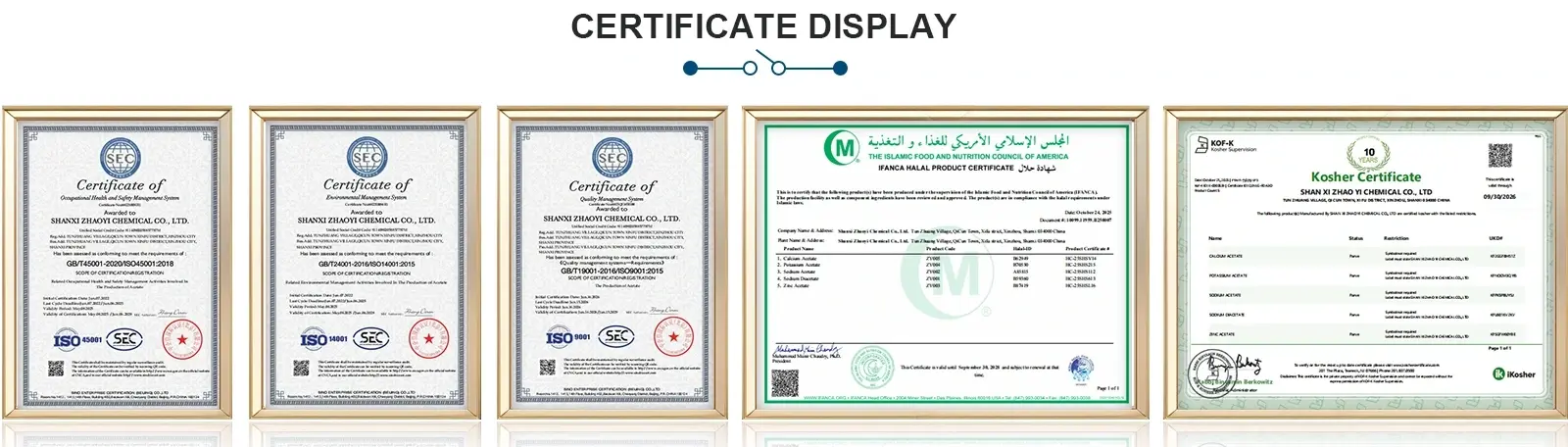
Shanxi Zhaoyi Chemical Co., Ltd. maintains internationally recognized management system certifications to support your procurement and compliance documentation requirements:
· ISO 9001 — Quality Management System
· ISO 14001 — Environmental Management System
· ISO 45001 — Occupational Health and Safety Management System
· Kosher Certification
· Halal Certification (applicable food-grade products)
Multilingual MSDS, COA, and conformity documents are available upon request. On-site factory audits by domestic and international customers are supported.
Storage and Handling Guidelines
This Drilling Solid Potassium Acetate is very hygroscopic and should be stored properly to preserve its quality and convenience of usage.
Store in a dry, well-ventilated storehouse, free from heat and moisture. Open bags should be used immediately. Pallets should be shrink wrapped to avoid moisture absorption and caking of the goods. Keep apart from dangerous items. Handle carefully while unloading to prevent damage to bag.
FAQ
Q: Why use the product instead of liquid potassium acetate solutions?
A: Flexibility & logistics. Shipping solids significantly reduces freight costs and storage footprint. It also makes onsite blending to particular brine densities possible with liquids supplied at fixed concentrations (typically 50%) with no modification possible.
Q: In terms of corrosion, how does potassium acetate compare to KCl?
A: That’s much better. KCl is quite corrosive to drill strings and downhole instruments. Potassium acetate is non-corrosive and with suitable scavengers it may operate as a moderate corrosion inhibitor with a significant extension of the service life of the equipment.
Q: What is the chemical mechanism of shale inhibitor drilling performance of potassium acetate?
A: The potassium ions replace the hydrated sodium or calcium ions in the clay interlayer, lowering the interlayer gap and preventing the water from entering the lattice. This avoids clay swell and sloughing at the source and maintains wellbore geometry in reactive shale deposits.
Q: Does it work with xanthan gum and other popular thickeners?
A: Yes. It has been shown to be very compatible with most biopolymers and starch-based fluid loss additives used in water-based mud. In many systems it also increases the thermal stability of these systems at higher temperatures.
Q: Do they have special storage requirements?
A: Sure. High hygroscopicity causes quick consumption of unsealed bags. Store in sealed cold dry conditions. Shrink wrap pallets and keep away from sources of moisture. Otherwise the substance will absorb water and harden into blocks.
Q: Is it applicable in high carbonate formations?
A: Yes. It is alkaline and so will not react with carbonate deposits as do acidic drilling fluids. This protects the hole's integrity and prevents undesirable dissolution of the formation in carbonate-rich zones of the reservoir.
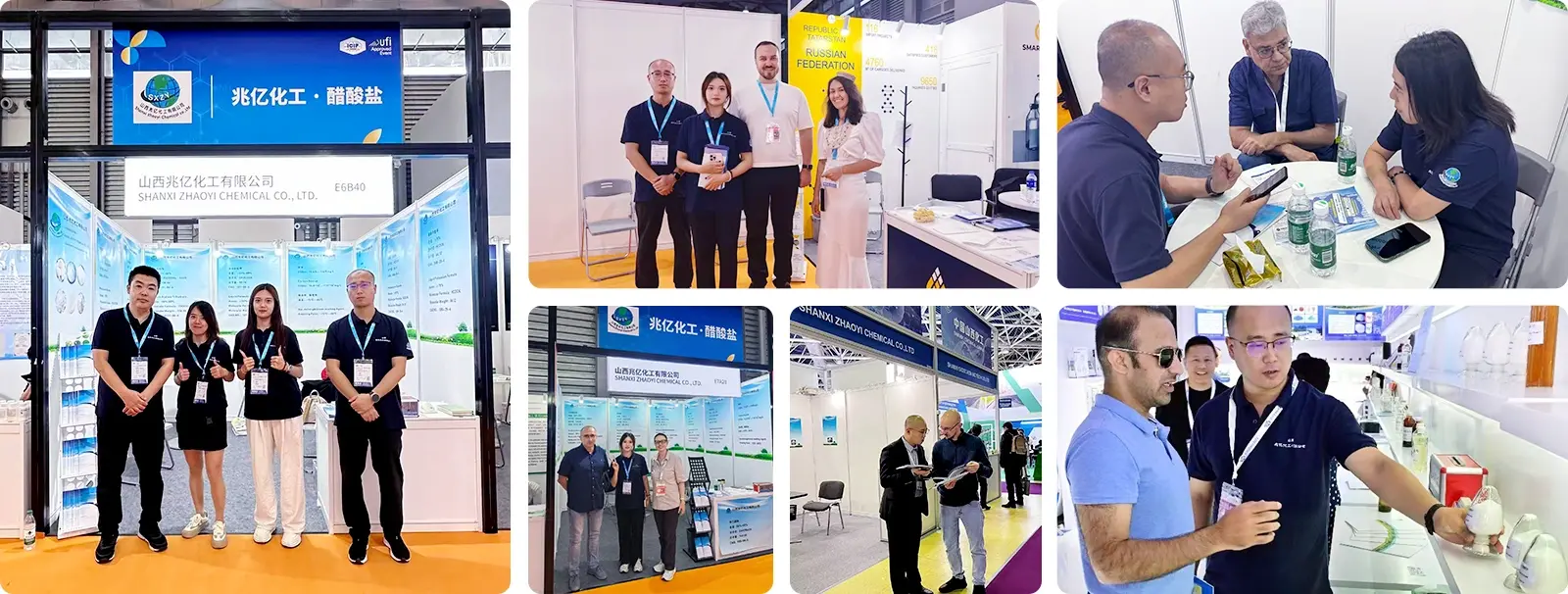
Our Exhibitions
Get a Quote or Technical Consultation
Ready to optimize your drilling fluid program? Contact our technical team at sxzy@sxzhaoyi.com for product specifications, pricing, and Drilling Solid Potassium Acetate sample requests.

USER EVALUATE
Here is the customer's evaluation of us