



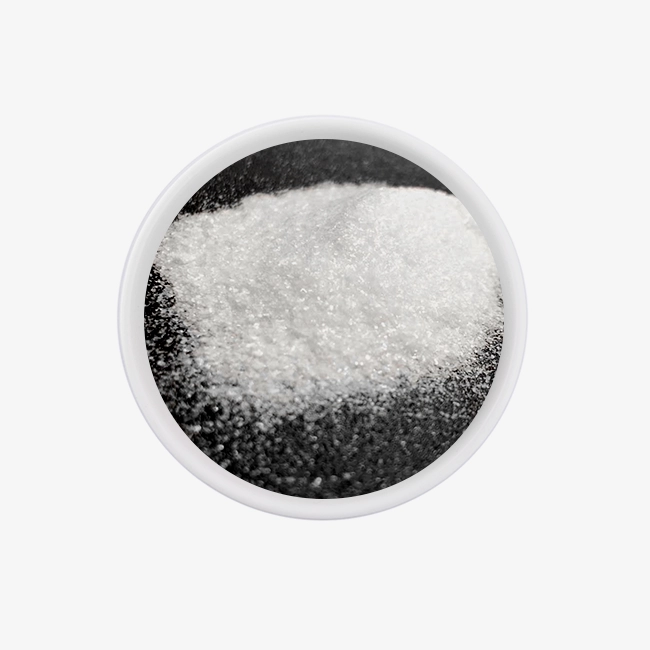
Pharmaceutical Excipient Sodium Acetate Anhydrous
CAS NO.: 127-09-3
Molecular Formula: CH3COONa
Molecular Weight: 82.03
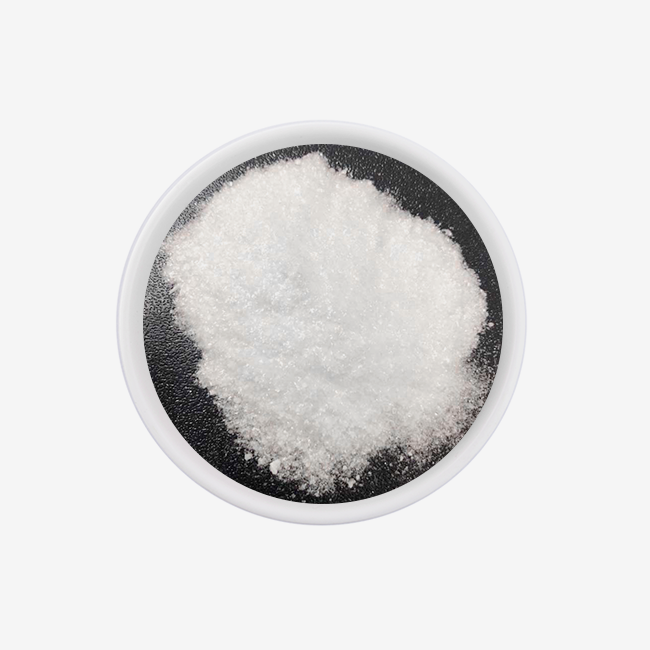
Character: white crystal powder; specific gravity is 1.528 and melting point is 324℃.
Usage: It is a kind of chemical raw material and is widely used in dye, pharmaceutical, chemical reagent fields, sewagement and etc.
Package: 25kg plastic woven bag or 1000kg Ton-bag
Storage: It should be stored in a dry and ventilative warehouse, kept away from heat and moisture during transportation, unloaded with care so as to avoid damage. Furthermore, it must be stored separately from poisonous substances.
- Product Description
Pharmaceutical Excipient Sodium Acetate Anhydrous — High-Purity Buffering Agent for Injectable and Oral Formulations
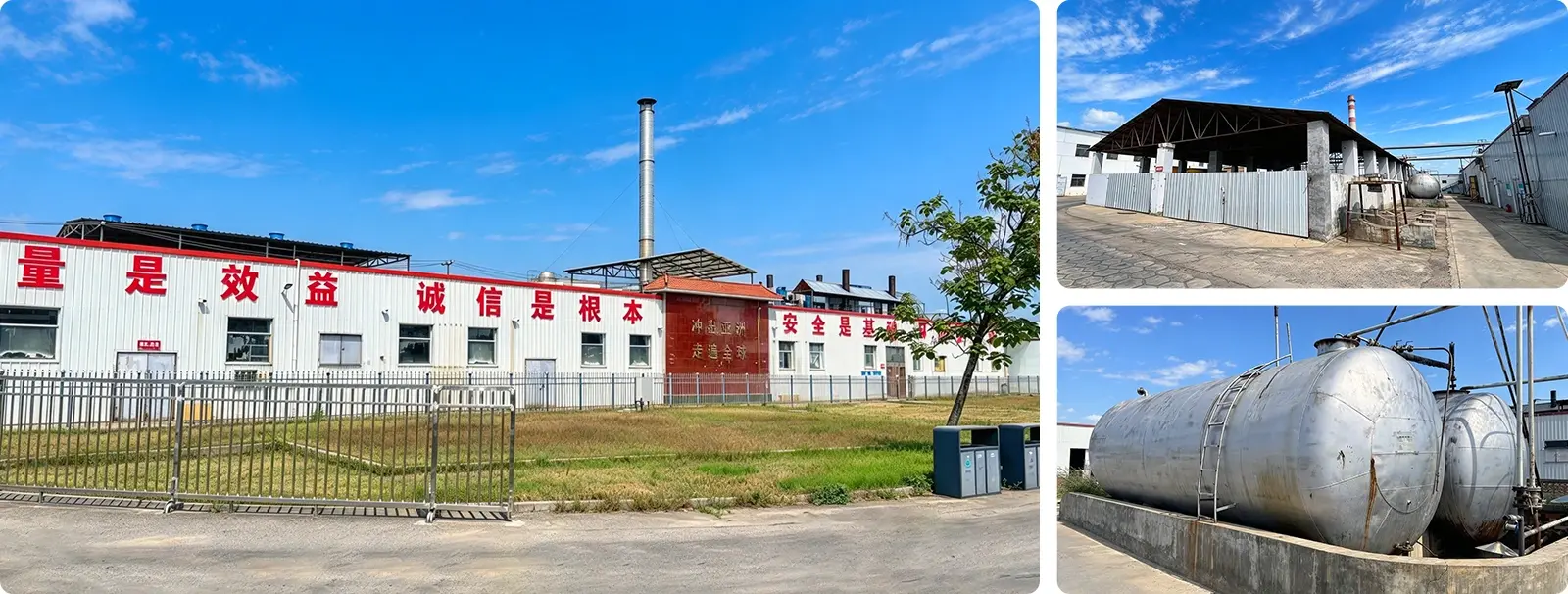
Pharmaceutical Excipient Sodium Acetate Anhydrous (CAS No. 127-09-3) is a critically controlled pharmaceutical ingredient produced by Shanxi Zhaoyi Chemical Co., Ltd. — a firm with more than 30 years experience in the acetate industry and capacity of 150,000 ton/year. Molecular weight. 82.03 Chemical formula. CH 3 COONa It is a crystalline white powder. Specific gravity 1.528 Melting point 324 C. The strict Loss on Drying (LOD) ≤1.0% guarantees the true anhydrous condition for moisture sensitive drug formulations and precision pharmaceutical manufacture.
Technical Specifications
Parameter | Specification |
Content (CH₃COONa) | ≥99.0% |
pH (5% Solution) | 7.5-9.2 |
Clarity Test | Qualified |
Water Insoluble | ≤0.01% |
Chloride (Cl) | ≤0.002% |
Sulfate (SO₄) | ≤0.01% |
Phosphate (PO₄) | ≤0.001% |
Magnesium (Mg) | ≤0.002% |
Calcium (Ca) | ≤0.05% |
Iron (Fe) | ≤0.0005% |
Heavy Metal (as Pb) | ≤0.002% |
Molecular Formula | CH₃COONa |
Molecular Weight | 82.03 |
CAS Number | 127-09-3 |
Appearance | White crystalline powder |
Specific Gravity | 1.528 |
Melting Point | 324°C |
What Makes This Grade Different: Anhydrous vs. Trihydrate
An important aspect in the selection of a source of sodium acetate for pharmaceutical usage is the difference between the anhydrous and the trihydrate. The trihydrate includes around 40% (w/w) water, which might interact with moisture sensitive active pharmaceutical ingredients (APIs) and lead to cake collapse during freeze drying cycles.
By utilising sodium acetate anhydrous medicinal excipient, the hazard is entirely removed. This is the best choice for vials of lyophilized medication, high temperature processing circumstances and any formulation where free moisture might compromise the stability of the API or the shelf life of the product, with water content closely below 1%.
Quality Control and Compendial Compliance
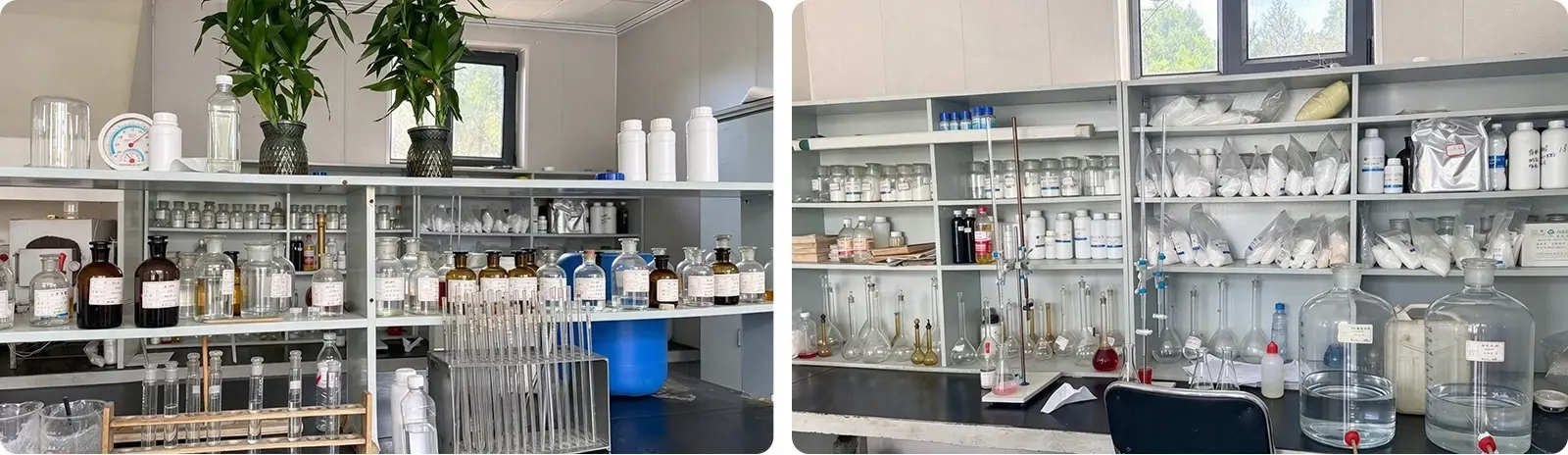
Every manufacturing batch is subject to strict quality monitoring. Each lot is tested to pharmacopeial and ICH standards to assure consistent, safe material for your formulation.
The key quality measures are:
·Purity (Assay): 99.0%-101.0% on dry basis by HPLC or titration.
·Loss on Drying : Max 1.0% at 120°C for 2 hours – the definitive test that establishes the anhydrous condition.
·Bacterial Endotoxins: Parenteral grade material is evaluated by the LAL technique with limits generally <2.0 EU/g.
· Elemental Impurities: ICH Q3D testing for Class 1 and Class 2 elements including Pb, Cd, Hg and As tested using ICP-MS.
· Microbial Limits (TAMC/TYMC) Bioburden testing for sterility assurance of injectable applications.
· Residual Solvents: To meet ICH Q3C requirements for Class 2 and Class 3 solvents.
·Acidity/Alkalinity: Potentiometric testing shows that the material will not produce an unacceptable change in the pH profile of the target formulation.
Full Certificate of Analysis (COA), MSDS and compendial compliance documents available on request.
Pharmaceutical Applications
One of the most important uses of this excipient is injectable buffer systems with anhydrous sodium acetate. It provides constant pH control in the mildly acidic range (pH 3.6–5.6) and is particularly compatible with protein-based biologics and injectable medicinal formulations.
Parenteral and IV Formulations
This excipient is used in Total Parenteral Nutrition (TPN) solutions and electrolyte replenishers to prevent the unwanted precipitation of calcium or phosphate salts and hence stabilise the formulation. Also acts as chelating agent protecting APIs from trace metal catalysed oxidation.
Hemodialysis and Peritoneal Dialysis Fluids
The anhydrous form is thus preferable so as to prevent mistakes of dilution in the manufacture of the concentrate. Levels of aluminium and heavy metals are strictly managed to prevent a toxicity risk for individuals with renal failure.
Freeze-Dried Formulations
It acts as a bulking agent and cryoprotectant, helping to maintain the integrity of the cake during freeze-drying without releasing crystal water into the cycle – therefore protecting the long-term shelf-life of moisture-sensitive biologics.
Pharmaceutical Preparations, Oral
For use as a pH regulator to maintain the pH of the formulation in the range of 5.0 - 7.0 in tablets, capsules and oral solutions. This improves pharmaceutical solubility and absorption and reduces stomach pain for more patient compliance.
Pharmaceutical Excipient Sodium Acetate Anhydrous vs Other Products
Feature | Our Anhydrous Form | Sodium Acetate Trihydrate | Other Buffer Systems |
Moisture Content | < 1.0% (LOD) | ~39% bound water | Varies |
Stability with Water-Sensitive APIs | Excellent | Poor to moderate | Variable |
Buffering pH Range | 7.5-9.2 | Similar | Depends on system |
Purity | ≥99.0% | Generally lower | Variable |
Hygroscopicity | Moderate | High | Varies |
Thermal Stability | >324°C | Lower decomposition | Varies |
Suitability for Lyophilization | Excellent | Moderate | Limited |
Weight Efficiency | Higher API ratio | Lower due to water | Comparable |
Heavy Metal Control | ≤0.002% Pb | Often higher | Variable |
Regulatory Compliance | ISO/KOSHER/HALAL | Limited | Varies |
Certifications & Compliance
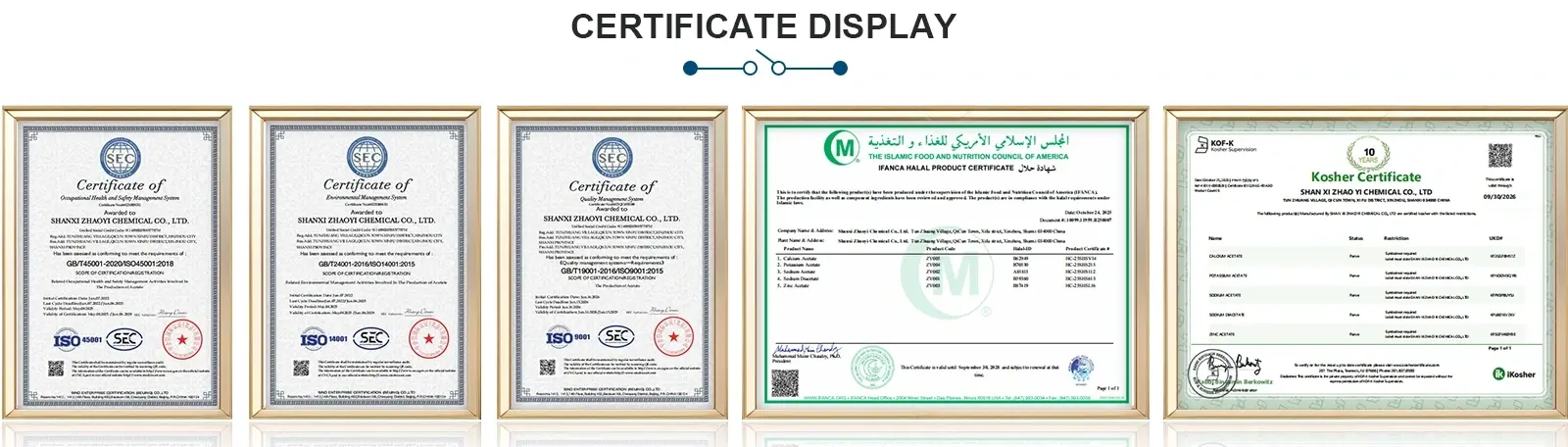
Shanxi Zhaoyi Chemical maintains a complete compliance framework to support your supplier qualification and regulatory submissions:
· ISO 9001 — Quality Management System
· ISO 14001 — Environmental Management System
· ISO 45001 — Occupational Health and Safety Management System
· Kosher Certification
· Halal Certification (applicable grades)
Support for on-site plant audits by local and foreign customers. We are able to generate multilingual documents like COA, MSDS and conformity declarations to be adapted to the needs of your target markets.
Supply and Packaging Advantages
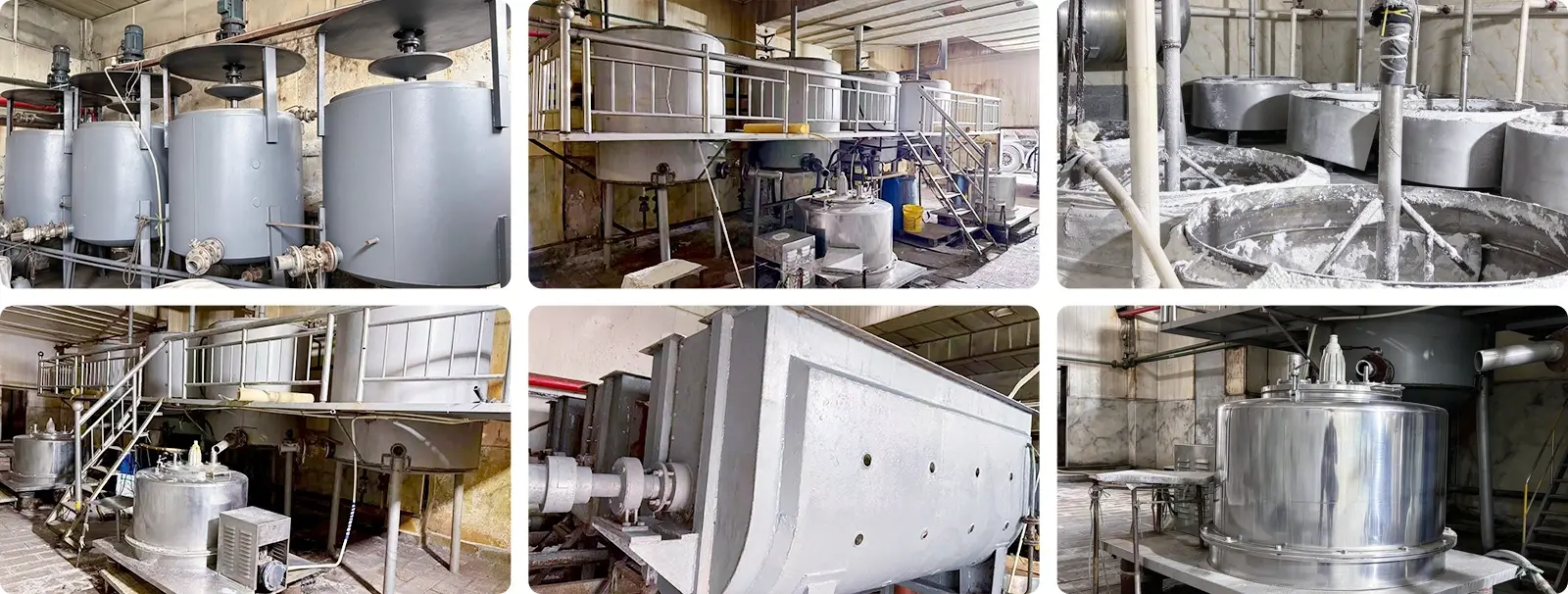
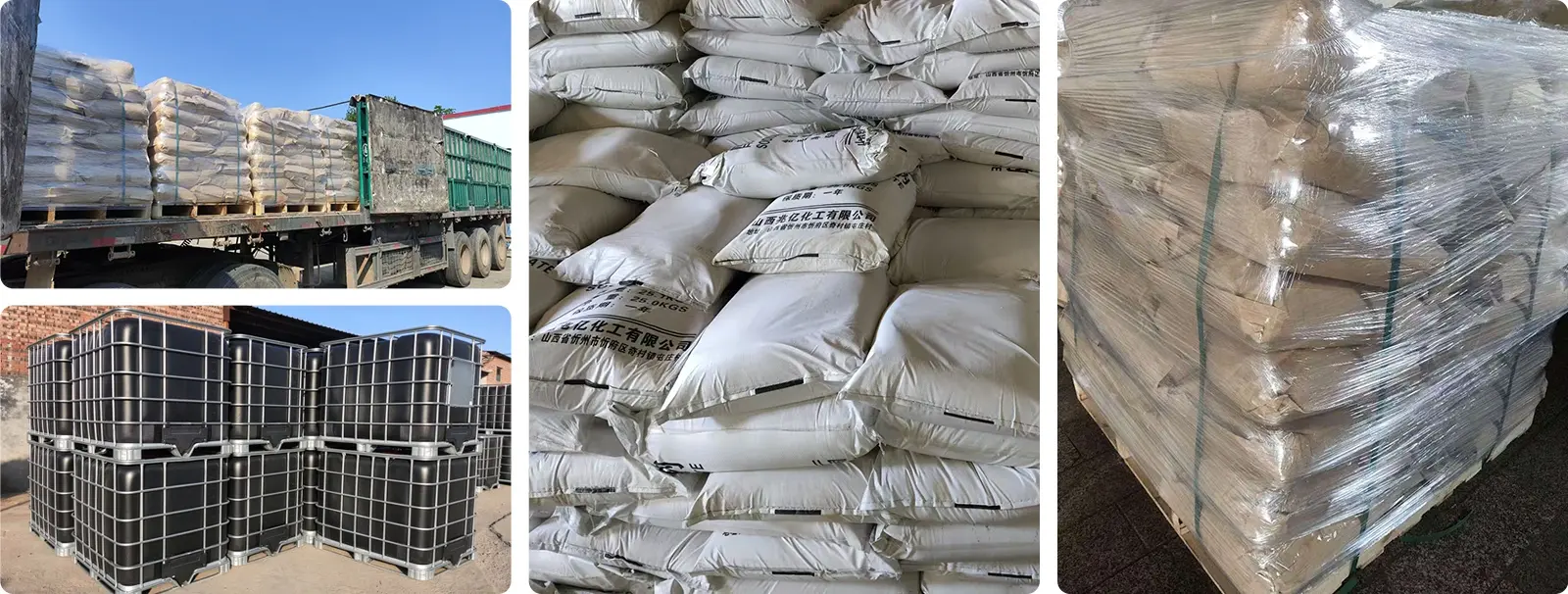
You can depend on a consistent supply thanks to a manufacturing facility of 27.000 m² and an annual capacity of 150.000 tonnes. We retain safety stock of standard grades to accommodate orders with short lead times.
· Standard lead time: 5–7 working days
· Stock orders: Delivery within 24 hours when available
· Customer response: Inquiries addressed within 2 hours
· Technical support: 24/7 online consultation available
Packaging 25 kilogram plastic woven bags, 1,000 kg tonne bags OEM labelling and bespoke packaging forms available on request. Pharmaceutical excipient sodium acetate anhydrous should be stored in a dry and ventilated warehouse, away from heat and moisture, and should be stored apart from dangerous chemicals.
FAQ
Q: What is the difference between sodium acetate anhydrous and sodium acetate trihydrate in formulation?
A: The trihydrate contains around 40% water by weight. Formulators choose the product for moisture sensitive APIs or processing at elevated temperatures where the release of bound water might lead to cake collapse or API degradation.
Q: Is this excipient applicable for injectable drugs?
A: Yes. However, for injectable applications a pyrogen-free or low-endotoxin grade is needed, which satisfies the stringent requirements of the Bacterial Endotoxin Test (BET). Always confirm the grade against your regulations before use.
Q: What are the storage conditions for the anhydrous form of sodium acetate?
A: Keep in a cool, dry place in firmly closed, moisture-proof containers. Clumping will occur from humidity exposure and ultimate conversion to the hydrated state will lead the material to fail LOD standards.
Q: Is this excipient USP, EP and JP compliant at the same time?
A: Multi-compendial grades available that meet USP, EP and JP standards for sodium acetate anhydrous. Always confirm particular compendial conformity on the Certificate of Analysis accompanying each batch.
Q: Is this excipient acceptable for protein based biologics?
A: Yeah. The acetate buffer system is well tolerated physiologically and does not promote denaturation of proteins. It is a stable buffer in the pH range 3.6-5.6 where many proteins are stable at their optimum.
Q: What paperwork exists to support a regulatory submission?
A: COA, MSDS, DMF support documents. Declaration of conformity in many languages . We also give factory audit help to local and overseas clients upon requests.
Our Exhibitions
Contact Us
Reach our technical and sales team at sxzy@sxzhaoyi.com — responses guaranteed within 2 hours for all Pharmaceutical Excipient Sodium Acetate Anhydrous and formulation inquiries.

USER EVALUATE
Here is the customer's evaluation of us
YOU MAY LIKE
 VIEW MOREpH Adjustment Sodium Acetate Anhydrous
 VIEW MOREDyeing Sodium Acetate Anhydrous
 VIEW MORECatalytic Sodium Acetate Anhydrous
 VIEW MOREFresh-Keeping Sodium Acetate Anhydrous
 VIEW MOREPreservative Sodium Acetate Anhydrous
 VIEW MORESewage Sodium Acetate Anhydrous
 VIEW MOREPrinting & Dyeing Sodium Acetate Anhydrous
 VIEW MOREPharmaceutical Intermediate Sodium Acetate Anhydrous