



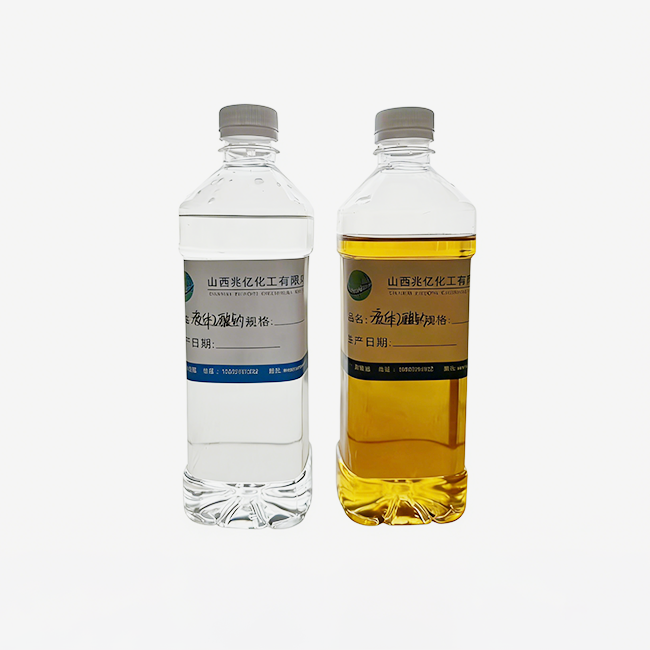
25% Liquid Sodium Acetate
Character: Colorless Transparent Liquid
Usage: It is a kind of chemical raw material and is widely used in dye, pharmaceutical, chemical reagent fields, sewagement and etc.
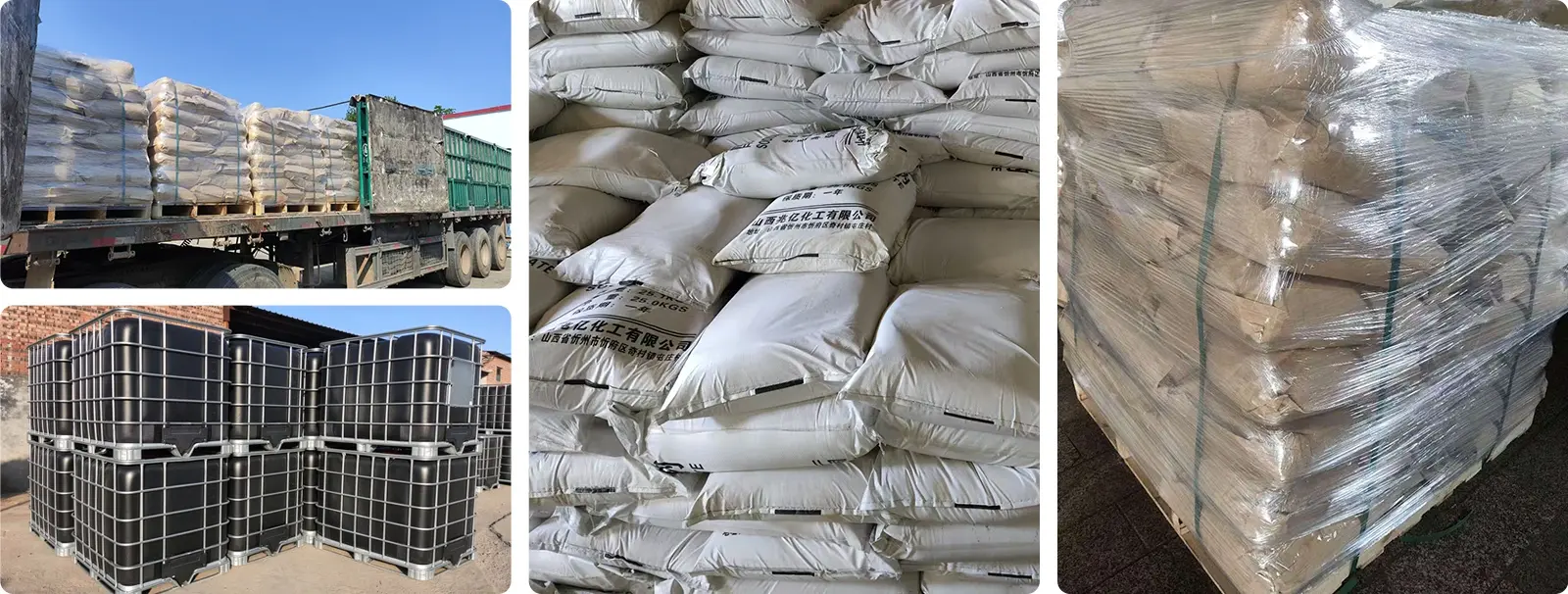
Package: 1000L IBC tank or Flexibag.
Storage: It should be stored in a dry and ventilative warehouse, kept away from heat and moisture during transportation, unloaded with care so as to avoid damage. Furthermore, it must be stored separately from poisonous substances.
- Product Description
25% Liquid Sodium Acetate for Industrial & Environmental Applications — Ready-to-Use Carbon Source Solution
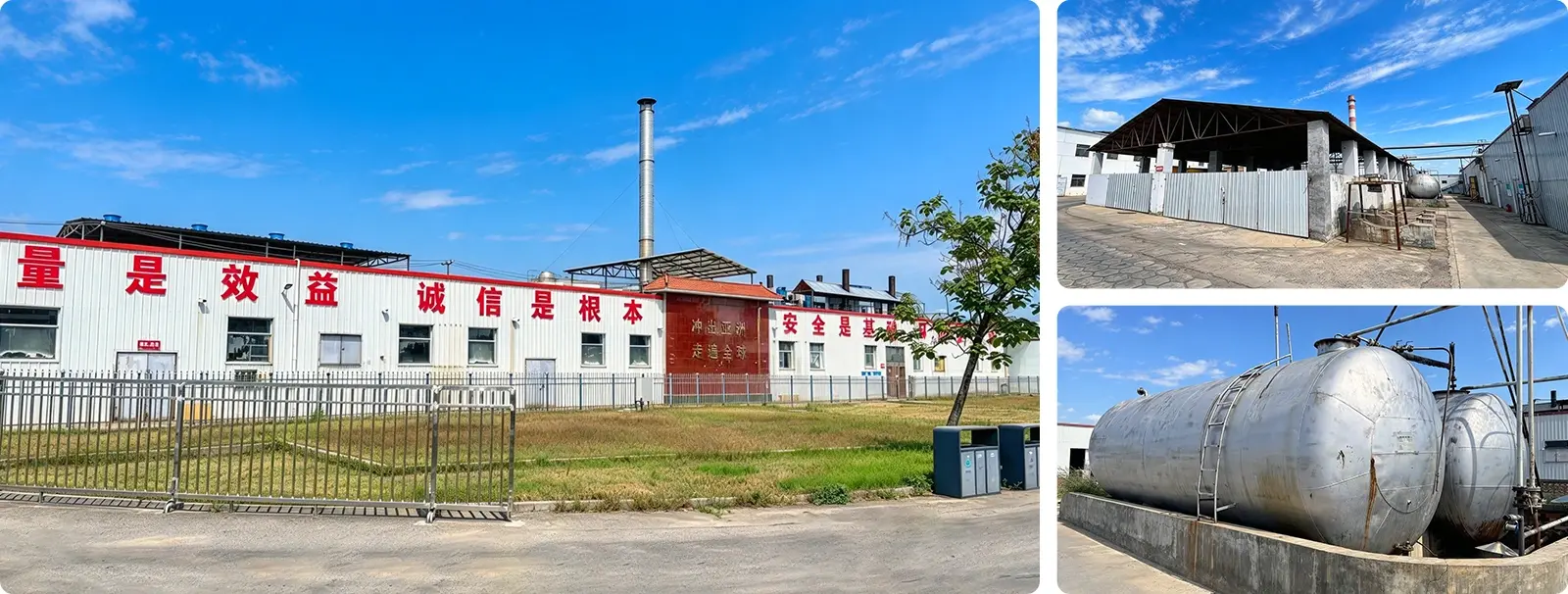
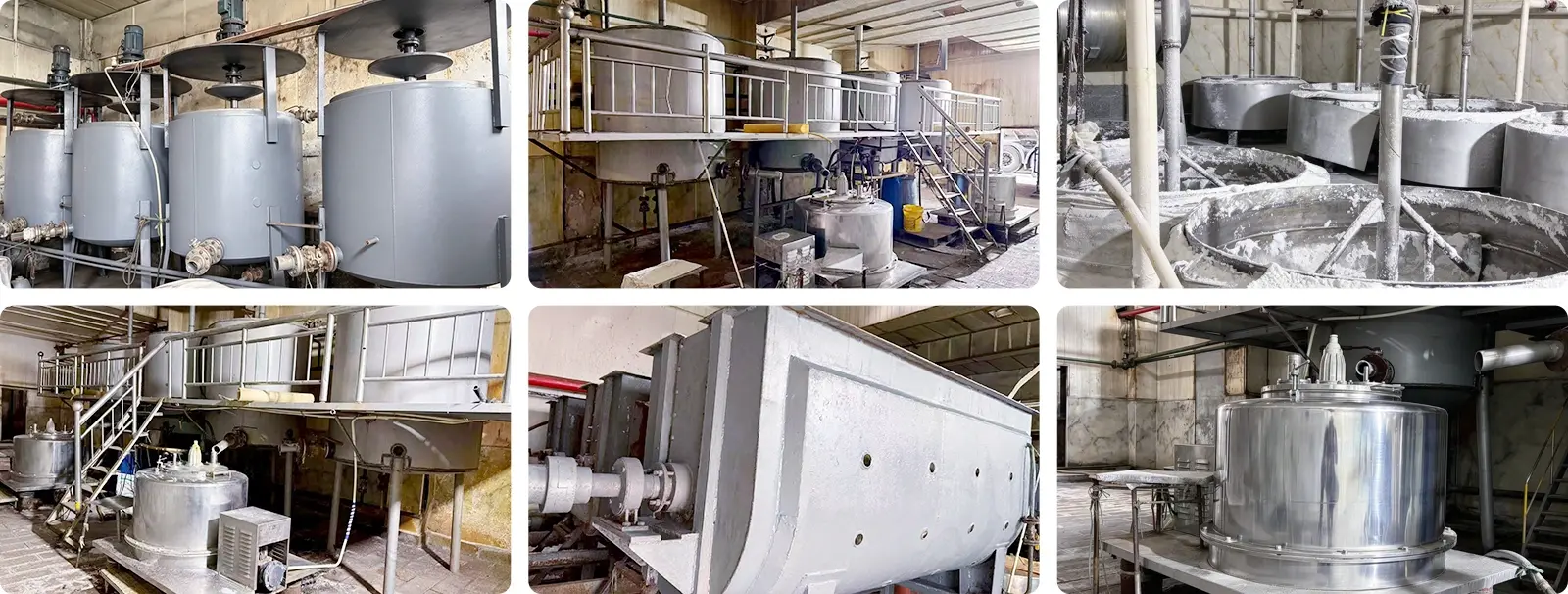
Shanxi Zhaoyi Chemical Co., Ltd. supplies 25% Liquid Sodium Acetate (CH₃COONa aqueous solution) as a ready-to-use, colorless transparent liquid formulated at exactly 25% concentration by weight. Suitable for automated dosing, wastewater treatment, dyeing, and pharmaceutical production, density 1.13–1.15 g/cm3 and COD equivalent 190,000–220,000 mg/L. Our product benefits from 30 years of acetate production experience, 150,000 tonnes of capacity, and ISO 9001/14001/45001 certifications.
Technical Specifications
Parameter | Specification | Test Method |
Appearance | Colorless Transparent Liquid | Visual Inspection |
Content (CH₃COONa) | ≥25% | Titration Analysis |
pH Value (25℃) | 7.5-9.0 | pH Meter |
Chloride (Cl) | ≤0.03% | Silver Nitrate Method |
Iron (Fe) | ≤0.006% | Spectrophotometry |
Heavy Metals (as Pb) | ≤0.001% | Colorimetric Method |
Viscosity (25℃) | ≤30 mPa·s | Rotational Viscometer |
Density (20℃) | 1.15-1.20 g/cm³ | Hydrometer |
Freezing Point | ≤-5℃ | Cryoscopic Method |
What Makes This Product Different: Key Characteristics
The liquid form eliminates on-site dissolving totally, unlike solid sodium acetate. You receive a product that you can pump straight into your system - no mixing tanks, no clumping, no down time.
The acetate ion is a small-molecule organic acid which may be directly used by denitrifying bacteria (e.g., Pseudomonas and Bacillus) without any hydrolysis step. This implies a quicker denitrification reaction than glucose or starch based alternatives.
At 25% concentration, the solution still has a low enough viscosity to be used with ordinary metering pumps even at lower ambient temperatures—an important benefit over 50–60% solutions, which tend to crystallize and clog pumps in cold weather.
Applications: Where This Solution Performs
Wastewater Treatment — Denitrification Carbon Source
The most critical use case for liquid sodium acetate as a carbon source is biological denitrification. When your influent has an insufficient C/N ratio, nitrate reduction stalls in the anoxic zone. This solution may be dosed directly into the anoxic tank, thereby providing instantly bioavailable COD and quickly recovering the efficiency of denitrification.
This is particularly true in cold temperature operations where bacterial activity naturally slows down. The acetate provides a rapid energy source for microbes and helps you remain in compliance with Total Nitrogen (TN) without having to resort to dangerous methanol alternatives.
Compared to glucose, it produces significantly less excess sludge — meaning lower disposal costs and fewer sludge bulking incidents in your secondary clarifiers.
Textile and Dyeing Industry
pH stability is closely related to color consistency in the synthetic fiber dyeing. The gently alkaline composition of this solution (pH 7.0–9.5) provides buffering capacity that neutralizes acid residues and stabilizes the dye bath throughout the procedure.
It is liquid and mixes well into automated feed-back dosing systems for exact pH regulation without the shock impact of powerful alkalis.
Pharmaceutical and Chemical Synthesis
In pharmaceutical manufacturing, this product serves as a reaction intermediate and esterification catalyst. The liquid form controls reaction rates more predictably than solid granules, which can introduce dust or undissolved particulates into sensitive reactors. If you're sourcing sodium acetate solution 25% for synthesis applications, purity and consistent assay values are non-negotiable — both of which our quality control process ensures.
25% Liquid Sodium Acetate vs Other Products
Feature | 25% Liquid Sodium Acetate | Solid Sodium Acetate (Anhydrous) | Acetic Acid (Glacial) | Sodium Hydroxide Solution |
Form | Ready-to-use Liquid | Requires Dissolution | Requires Neutralization | Highly Corrosive |
Dosing Precision | Excellent (Automated) | Moderate (Manual/Hopper) | Good (Requires Control) | Good (Safety Concerns) |
Storage Stability | 6 Months (≥-5℃) | Extended (Dry Conditions) | Extended (Sealed) | 3-6 Months |
Handling Safety | Low Risk | Dust Generation | Corrosive Vapors | Caustic Burns |
Transportation Volume | Moderate | Low (Concentrated) | Low | Moderate |
Initial Cost per Ton | Moderate | Higher (Processing) | Lower (Raw Material) | Lower |
System Compatibility | Pipes/Pumps | Hoppers/Feeders | Resistant Materials | Specialized Equipment |
Certifications & Compliance
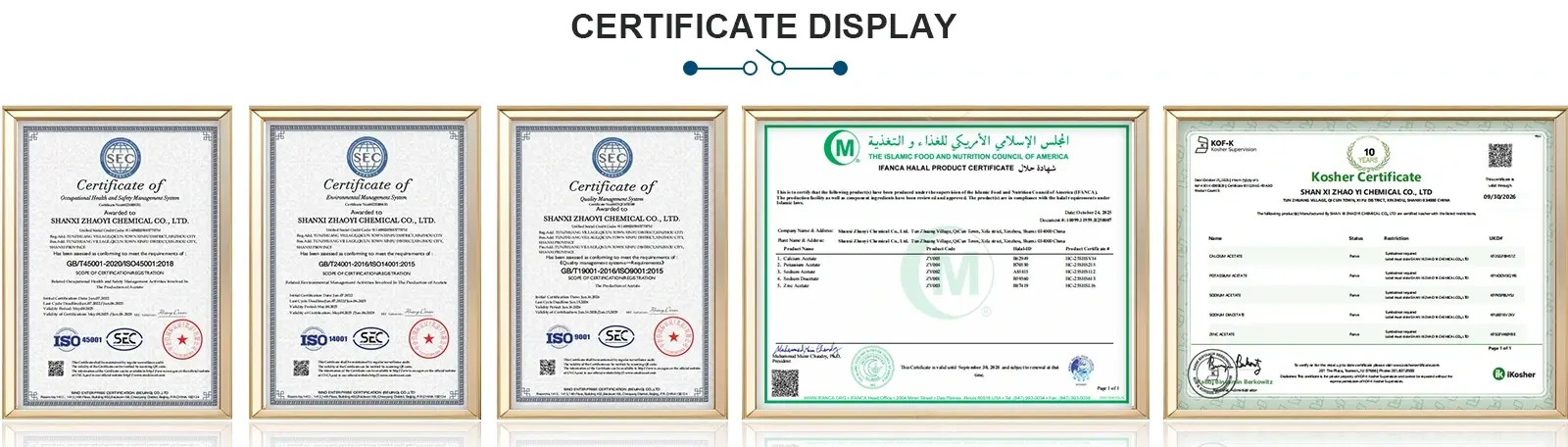
Shanxi Zhaoyi Chemical operates under internationally recognized management systems that support your supply chain compliance requirements.
- ISO 9001 — Quality Management System
- ISO 14001 — Environmental Management System
- ISO 45001 — Occupational Health and Safety Management System
- Kosher Certification — For applicable product grades
- Halal Certification — For applicable food-grade products
The certificates are a testament to the company’s dedication to product quality, responsible production and devotion to the environment. We invite clients at home and abroad to audit the production on site and provide full support.
Packaging & Storage
Depending on the logistical requirements, the product is available in either 1,000 L IBC totes or Flexitanks.
Store in a dry, cool, properly ventilated warehouse away from heat and moisture. Always avoid poisons. Shelf life: 6-12 months under sealed conditions at room temperature
Tanks located outdoors in cold places should be heat traced or jacketed to maintain fluidity and to protect the performance of the dosing pumps.
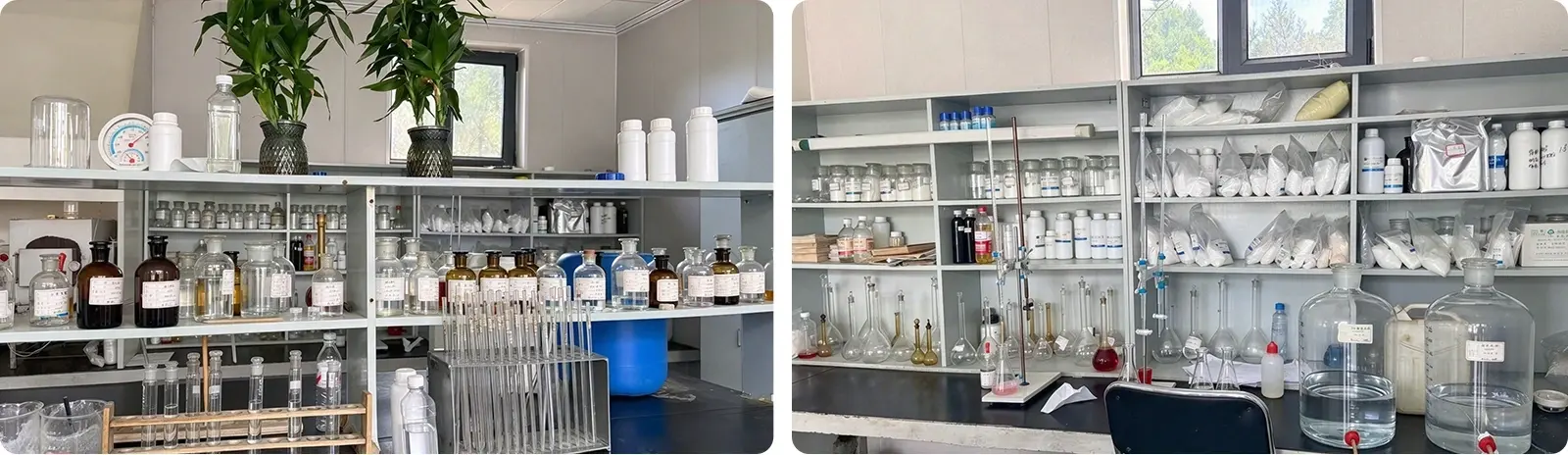
Quality Control: How We Verify Every Batch
All manufacturing batches are checked to rigorous chemical requirements prior to shipping. This is how we check quality:
Acetate Content Determined by perchloric acid titration or HPLC to be above 25.0%. Deviations below 23% have a strong effect on the COD/cost ratio, which must be rejected.
COD Value Verification Comparison of the theoretical stoichiometric value with the comparable observed COD. These variances may indicate dilution or the presence of non-biodegradable impurities.
Turbidity and suspended solids are less than 0.05% as shown by Insoluble Matter Test Filtration via a 0.45 µm membrane. High insoluble content damages the diaphragm metering pumps and clogs the injection nozzles.
Heavy Metal Analysis: We utilise Atomic Absorption Spectroscopy (AAS) to ensure Pb, As and Hg are less than 10 ppm – essential for safeguarding your microbial biomass in biological treatment systems.
Chloride is kept to less than 1% to avoid corrosion of stainless steel pipework and to safeguard bacterial activity in treatment systems.
Full COA and MSDS documentation are provided with each shipment of 25% Liquid Sodium Acetate. Third-party inspection and on-site factory audits are also supported.
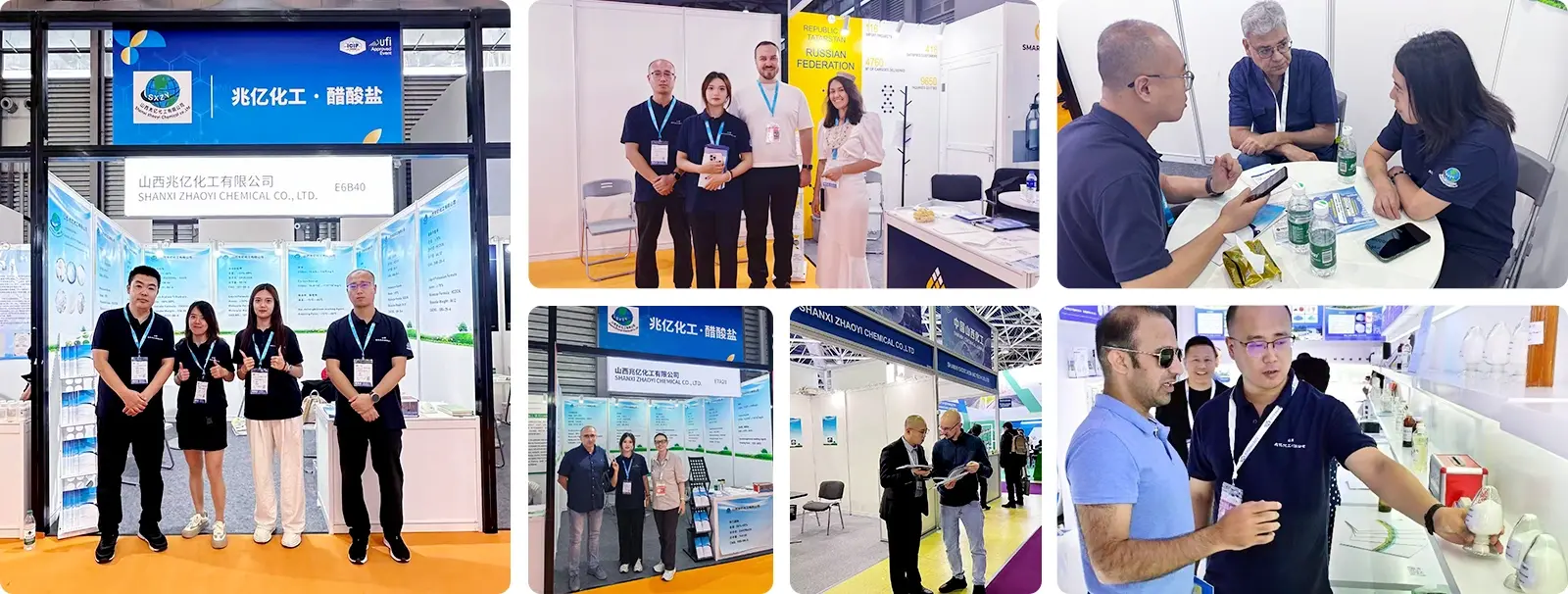
Our Exhibitions
FAQ
Q: Does Liquid Sodium Acetate 25% freeze in winter?
A:It has a lower freezing point than water but can still crystallize below approximately -5°C to -10°C. For outdoor tanks in cold climates, heat tracing or insulation jacketing is advised to maintain the product fluid and to preserve your dosing equipment.
Q: How does it compare to glucose as a carbon source?
A:Glucose requires hydrolysis before bacteria can use it, creating a lag in denitrification response. This product is immediately bioavailable. Glucose also promotes filamentous bacteria growth and sludge bulking — problems that acetate-based carbon sources do not cause.
Q: How do I calculate the correct dosage for denitrification?
A: Equivalent of COD of the solution (about 190,000-220,000 mg/L) and C/N ratio of 4:1-6:1. Then determine the COD gap in your influent and compute the amount of solution needed to correct that deficit. Your plant operator or process engineer may optimise the dose using real-time effluent TN data.
Q: Does it assault storage equipment, or metering equipment?
A: Slightly alkaline, non-corrosive to PE or PP plastic cans. Metal parts must be stainless steel 304 or 316. Carbon steel is subject to corrosion and long term contact is not recommended.
Q: How long will the solution endure?
A: The substance is chemically stable for 6-12 months when stored in sealed, cold and dry settings. Do not leave exposed to air since water may evaporate (changing concentration) or bacteria can get in if pH decreases.
Q: What is the cost of sodium acetate solution 25%? Do you provide bulk discounts?
A: The price depends on the quantity of the order, on the packing and on the shipping term (FOB, CIF or DAP). Competitive pricing for big orders and long-term supplier agreements. Call us right now for a price that fits your needs today.
Contact Us
Ready to source reliable, certified 25% Liquid Sodium Acetate for your operations? Contact our team at sxzy@sxzhaoyi.com for pricing, samples, and technical support.

USER EVALUATE
Here is the customer's evaluation of us
YOU MAY LIKE
 VIEW MOREFresh-Keeping Sodium Acetate Trihydrate
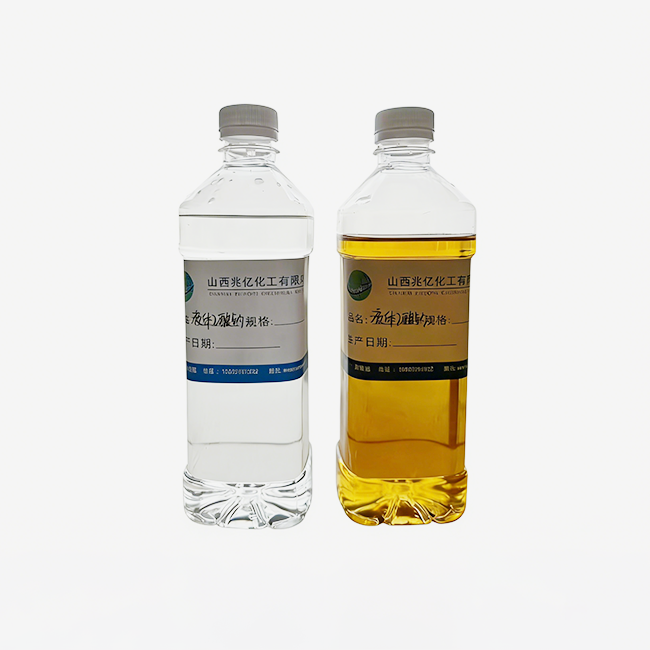 VIEW MORE20% Liquid Sodium Acetate
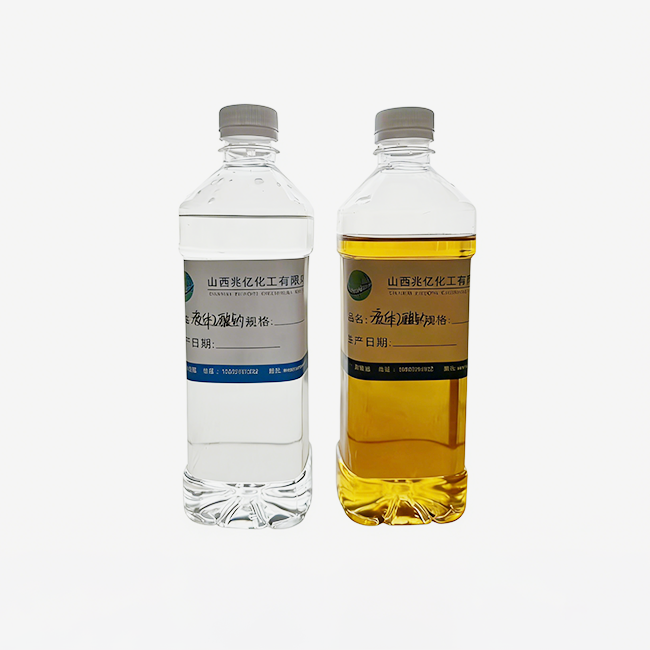 VIEW MORESewage Liquid Sodium Acetate
 VIEW MOREPharmaceutical Sodium Acetate Anhydrous
 VIEW MOREBread Sodium Acetate Trihydrate
 VIEW MORECatalytic Sodium Acetate Trihydrate
 VIEW MOREAirport Runway Solid Potassium Acetate
 VIEW MOREPharmaceutical Intermediate Sodium Acetate Anhydrous