



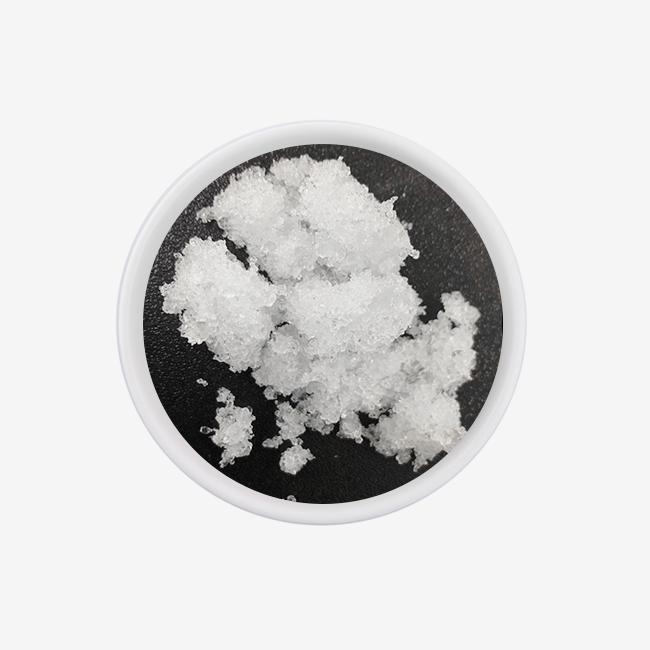
Carbon Source Sodium Acetate Trihydrate
CAS NO.: 6131-90-4
Molecular Formula: CH3COONa·3H2O
Molecular Weight: 136.08
Character: Colorless crystal, it is soluble in water and alcohol and lightly soluble in acetic acid; specific gravity:1.45; melting point: 58℃.
Usage:It should be stored in a dry and ventilative warehouse, kept away from heat and moisture during transportation, unloaded with care so as to avoid damage. Furthermore, it must be stored separately from poisonous substances.
Package: 25kg plastic woven bag or 1000kg Ton-bag
Storage: It should be stored in a dry and ventilative warehouse, kept away from heat and moisture during transportation, unloaded with care so as to avoid damage. Furthermore, it must be stored separately from poisonous substances.
- Product Description
Carbon Source Sodium Acetate Trihydrate for Biological Denitrification — High-Purity, Reliable External Carbon Solution
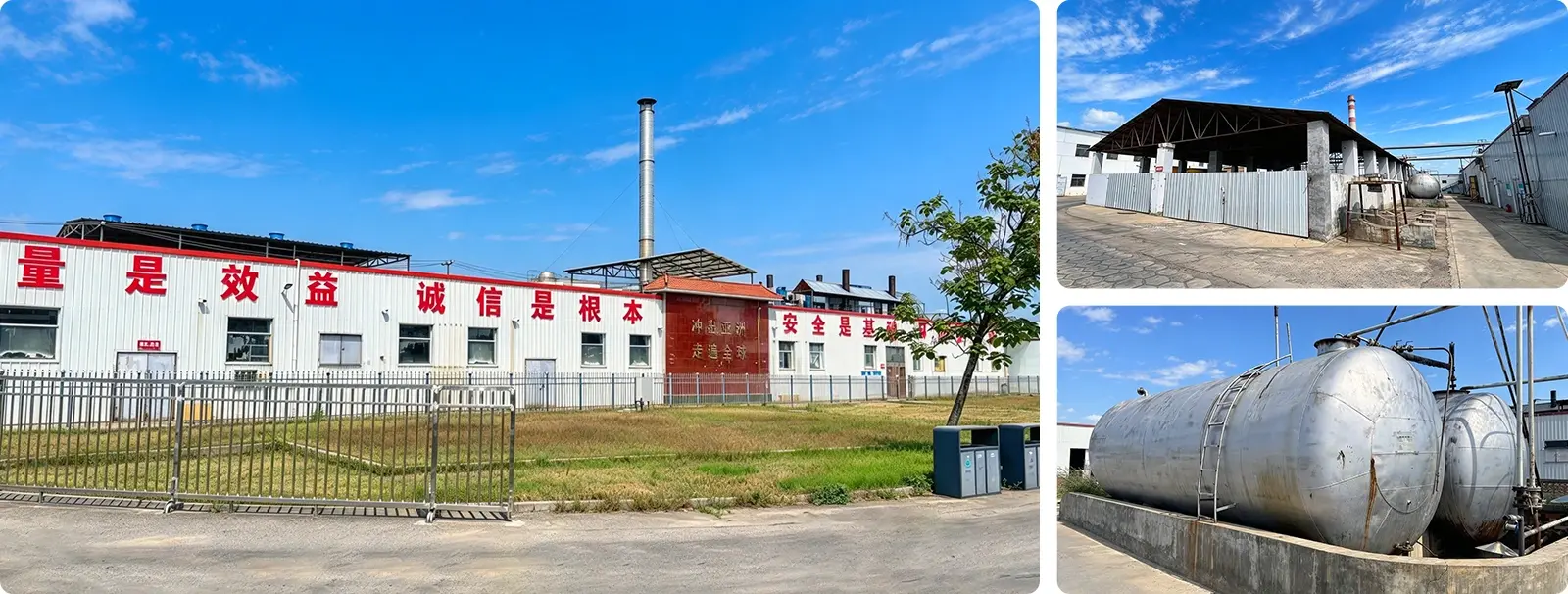
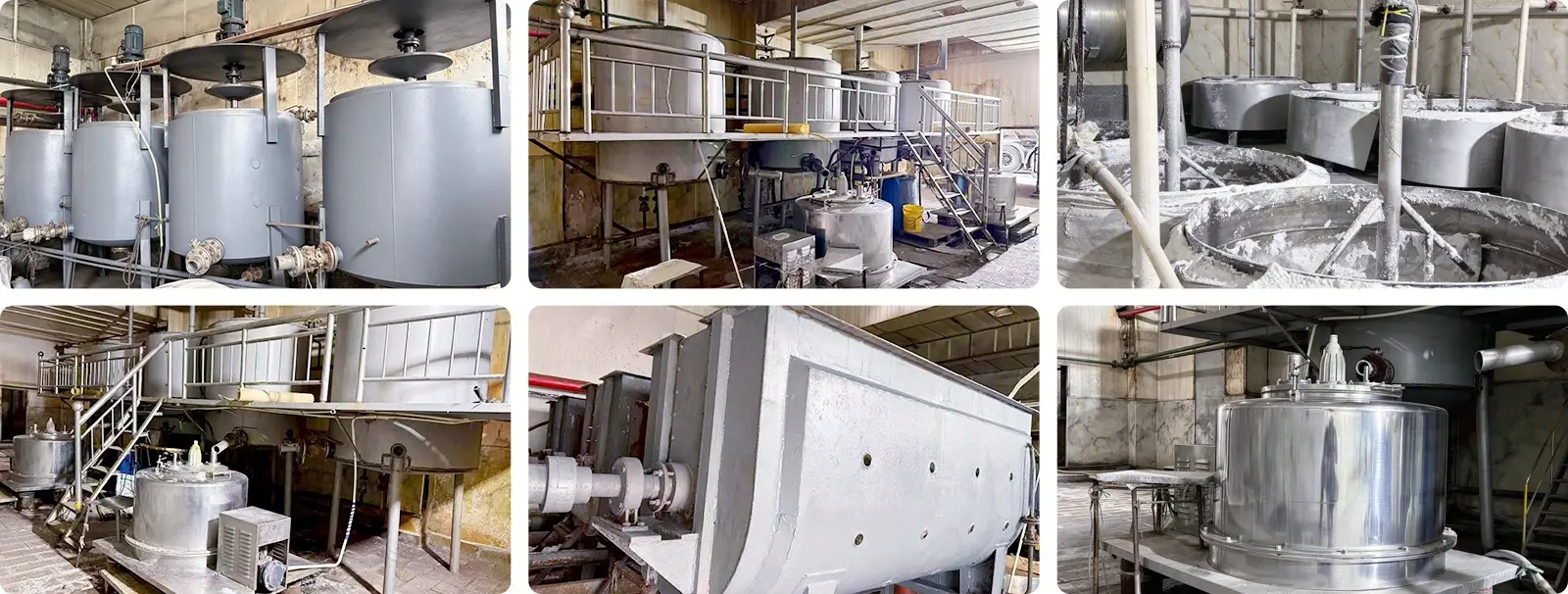
The carbon source Sodium Acetate Trihydrate (CAS No. 6131-90-4, CH₃COONa·3H₂O) is a very effective organic carbon addition that was made to help biologically remove nitrogen from wastewater. This clear, solid molecule has a molecular weight of 136.08 and a specific gravity of 1.45. It dissolves quickly in water, which makes it one of the best external carbon sources for wastewater systems in cities and factories. Shanxi Zhaoyi Chemical Co., Ltd., Founded in 1988, the company is producing this product in line with enterprise standard Q/140902ZYH002-2020. The content is managed at 58-60%. The annual production capacity is 150,000 tons.
Technical Specifications
Parameter | Specification |
Content (CH3COONa) | 58-60% |
Free Acid | ≤0.03% |
Water Insoluble | ≤0.04% |
Chloride (Cl) | ≤0.04% |
Iron (Fe) | ≤0.0002% |
Molecular Formula | CH3COONa·3H2O |
Molecular Weight | 136.08 |
CAS Number | 6131-90-4 |
Physical Form | Colorless Crystal |
Specific Gravity | 1.45 |
Melting Point | 58℃ |
Solubility | Soluble in water and alcohol |
What Makes This Product Different From Generic Sodium Acetate
Not all sodium acetate is the same in biological systems. The carbon source grade has been carefully designed to offer an easily biodegradable COD substrate for heterotrophic denitrifying bacteria.
It is a tiny molecule organic acid salt that bypasses the extensive hydrolysis processes needed by macromolecular carbon sources such as starch or cellulose. This means your dosing system reacts instantly – even with shock load events – with no delay or process disturbance.
It also tackles the imbalance of carbon and nitrogen (C/N) which is the reason of many plants not reaching the Total Nitrogen (TN) discharge restrictions. If you have an influent BOD5:N of less than 4:1, this solution supplies the precise biodegradable COD your bacteria require for full denitrification.
Key Product Characteristics
Understanding the physical and chemical properties helps you plan dosing, storage, and handling correctly.
- Appearance: Colorless crystalline solid
- Solubility: Fully soluble in water and alcohol; lightly soluble in acetic acid
- Melting point: 58°C
- Specific gravity: 1.45
- Reaction behavior: Hydrolysis releases OH⁻ ions, which naturally buffer reactor pH and support alkalinity during denitrification
This built-in alkalinity contribution is a practical advantage. Unlike acidic carbon sources such as acetic acid, using sodium acetate as an external carbon source for denitrification does not consume additional alkalinity — which can reduce or even eliminate your caustic soda supplementation costs.
Core Application Scenarios
Municipal Sewage Treatment Plants
The primary use case for sodium acetate trihydrate as a wastewater carbon source is biological denitrification. When your plant receives low-carbon, high-nitrogen-phosphorus influent — especially where BOD₅:N is below 4:1 — supplementing with this product helps denitrifying bacteria complete the anoxic reduction of nitrate to nitrogen gas.
This is particularly relevant as discharge standards tighten globally. As plants upgrade to meet tighter TN limitations, there is growing use of high-purity, fast-acting sodium acetate as an external carbon source for sodium acetate rather than flammable or biologically dangerous options.
Treatment of Industrial Waste Water
The pharmaceutical, printing and dyeing and chemical industries often generate wastewater that is low in natural carbon. Adding this product to your biochemical treatment stage allows you to maintain constant biological activity without adding hazardous contaminants that might damage your microbial biomass.
Improvement Projects and Constructed Wetlands
Sodium acetate supplementation is also beneficial for constructed wetlands and decentralized treatment systems, especially those handling nitrogen-rich agricultural runoff or rural sewage with low inherent BOD levels.
Carbon Source Sodium Acetate Trihydrate vs Other Products
Feature | Our Sodium Acetate | Methanol | Glucose | Starch |
Safety Classification | Non-hazardous | Flammable/Toxic | Non-hazardous | Non-hazardous |
Reaction Speed | Fast (3-4x glucose) | Very Fast | Slow | Very Slow |
Sludge Bulking Risk | None | Low | High | Moderate |
pH Buffering | Provides alkalinity | Acidic | Neutral | Neutral |
Hydrolysis Required | No | No | No | Yes |
Storage Requirements | Standard warehouse | Explosion-proof | Standard warehouse | Standard warehouse |
Dosing Equipment | Standard pump | Explosion-proof | Standard pump | Heating required |
COD Contribution | Predictable | Predictable | Variable | Variable |
Certifications & Compliance
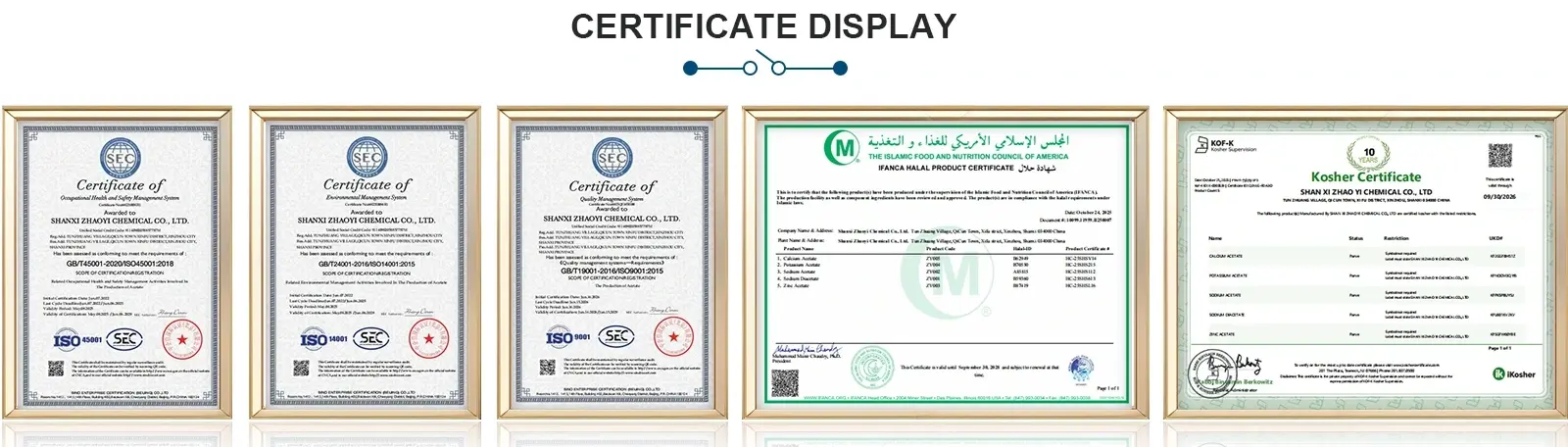
Shanxi Zhaoyi Chemical Co., Ltd. holds the following management system certifications:
- ISO 9001 — Quality Management System
- ISO 14001 — Environmental Management System
- ISO 45001 — Occupational Health and Safety Management System
Kosher Certification
Halal Certification (for applicable food-grade products)
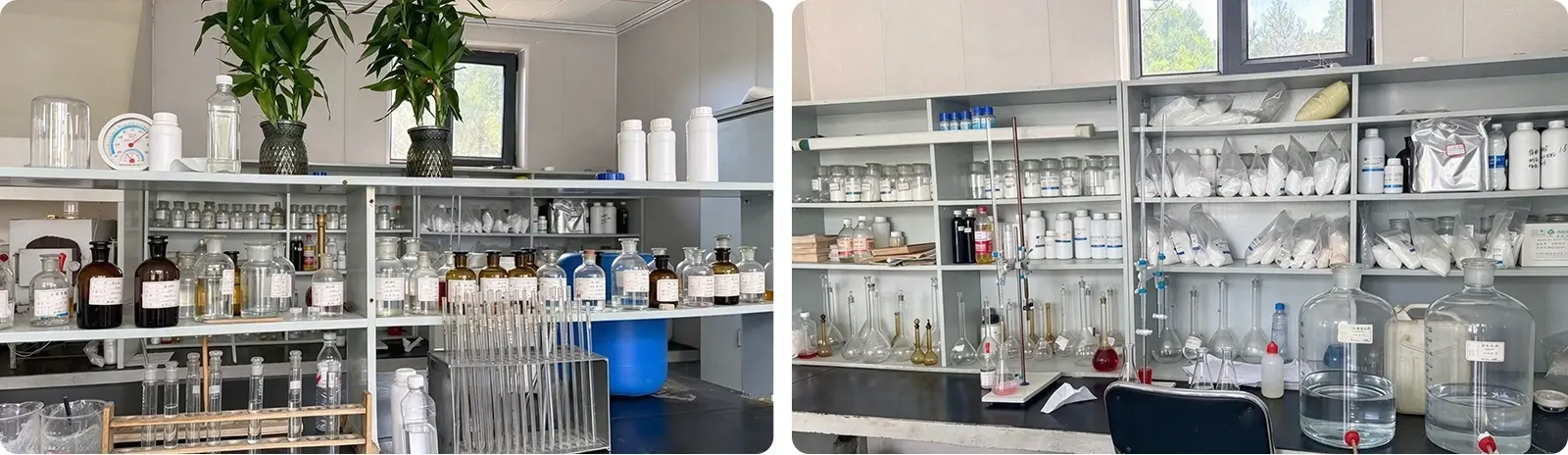
Third-party testing through SGS, Intertek, and other accredited institutions is fully supported. Technical indicator commitments are attached to every supply contract. On-site factory audits by domestic and international customers are also welcome.
Packaging & Storage
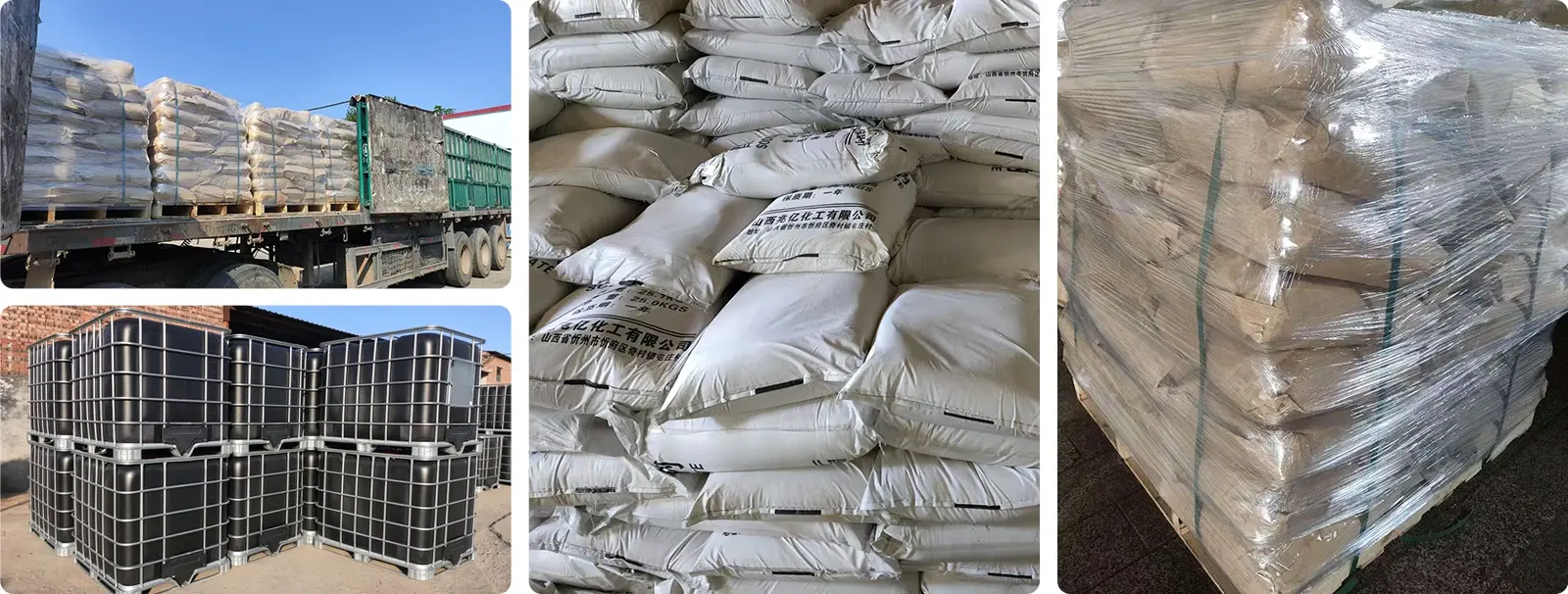
Packaging options:
- 25 kg plastic woven bags
- 1,000 kg ton bags
Storage condition: Store in a cold (not exceeding 30 °C), dry and well-ventilated warehouse. Store in a cool, dry place. Handle with caution. Package may be damaged in shipment. Avoid hazardous chemicals.
Shelf life: 1 to 2 years under good storage conditions. The product as a trihydrate is susceptible to high humidity and may cake on exposure to moisture. Flowability and assay uniformity are preserved by proper storage conditions.
Why Choose Sodium Acetate Over Methanol or Glucose
This is one of the most typical assessment questions B2B buyers ask and the answer is important for both safety and performance.
Vs Methanol: Methanol is flammable and needs explosion proof dosing infrastructure. Sodium acetate for denitrification completely removes such risks, lowering your capital expenses and regulatory risk at your operation.
Versus glucose: Glucose may promote the development of filamentous bacteria which are the major source of sludge thickening. Sodium acetate eliminates this difficulty, and provides anoxic response rates of around 3-4 times quicker, i.e. less product is required to get the same TN decrease.
Industrial by-product sodium acetate: Raw by-products typically include high levels of chlorides, fluorides or hazardous organics that kill microbial populations. The carbon source grade ensures impurities in Carbon Source Sodium Acetate Trihydrate are within verified, biologically safe limits.
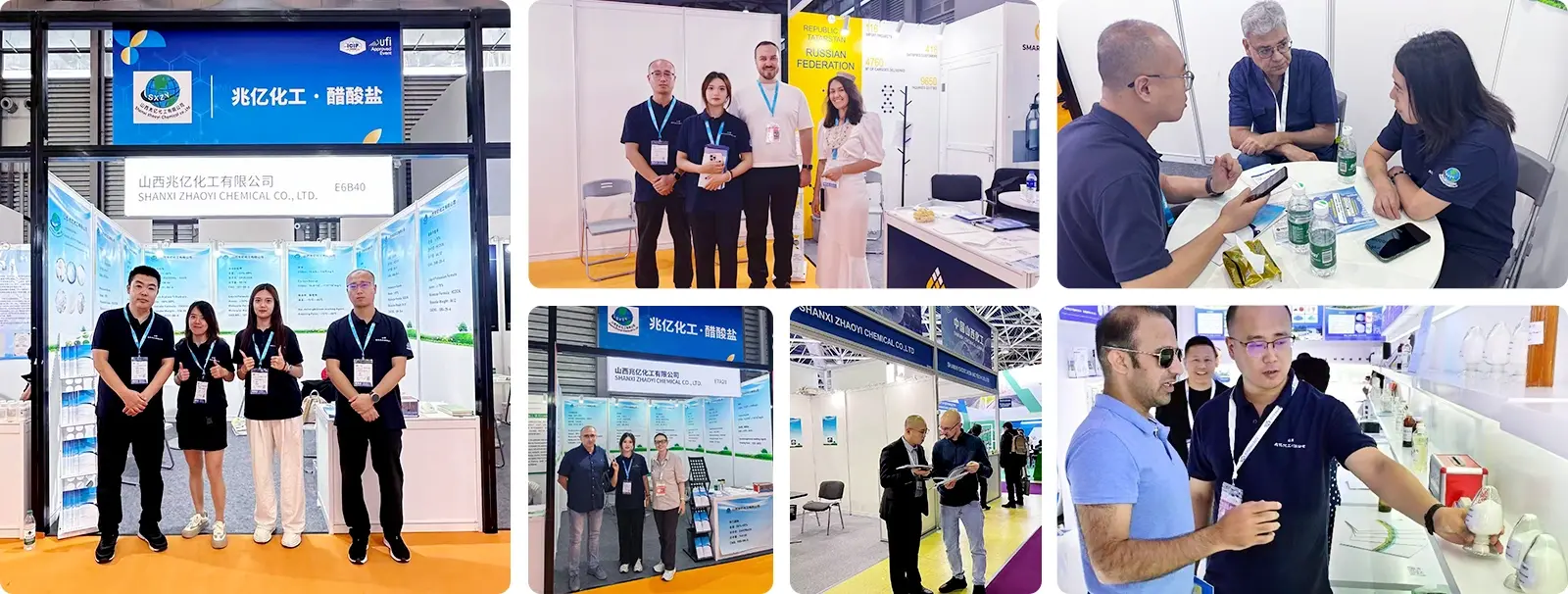
Our Exhibitions
FAQ
Q: How does this product compare to methanol as a carbon source?
A:Sodium acetate is non-hazardous and non-flammable, eliminating the need for explosion-proof dosing systems. It also delivers a faster biological response in anoxic conditions — roughly 3–4 times faster than methanol — with no toxic residual risk to your microbial community.
Q: How do I calculate the correct dosage?
A:Dosage is typically based on your target C/N ratio (usually 4:1 to 6:1) and the product's specific COD value. A working formula is: Dosage (kg) = (Target TN − Current TN) × Flow Rate × Factor ÷ Product COD. Pilot-scale testing is recommended to establish your site-specific correction factor.
Q: Why does impurity control matter for biological systems?
A:Industrial by-product sodium acetate may have high amounts of chloride or fluoride that inhibit or kill denitrifying microorganisms. The carbon source grade keeps chloride < 0.03% and iron ≤ 0.006% keeping your biomass healthy and your process steady.
Q: How does this product influence reactor pH?
A:It really helps maintain pH. This is because during hydrolysis, sodium acetate releases hydroxide ions (OH-) which replace alkalinity used up during denitrification. It may lessen or eliminate your requirement for additional caustic.
Q: How long does it last and how should it be stored?
A: The shelf life of the product is 1-2 years when kept properly in a dry, ventilated place at a temperature below 30°C. Poor circumstances might lead to caking and efflorescence of the trihydrate form therefore avoid humidity and direct sunshine.
Q: Can you provide samples and third-party test reports?
A:Yes. Sample support and third-party testing through SGS or Intertek are available. Each production batch ships with a full COA, and technical documentation including MSDS and multilingual conformity documents can be prepared on request.
Contact Us
Ready to improve your nitrogen removal process with a proven, high-purity Carbon Source Sodium Acetate Trihydrate? Contact our team at sxzy@sxzhaoyi.com for product samples, technical consultation, or a competitive bulk quote.

USER EVALUATE
Here is the customer's evaluation of us