



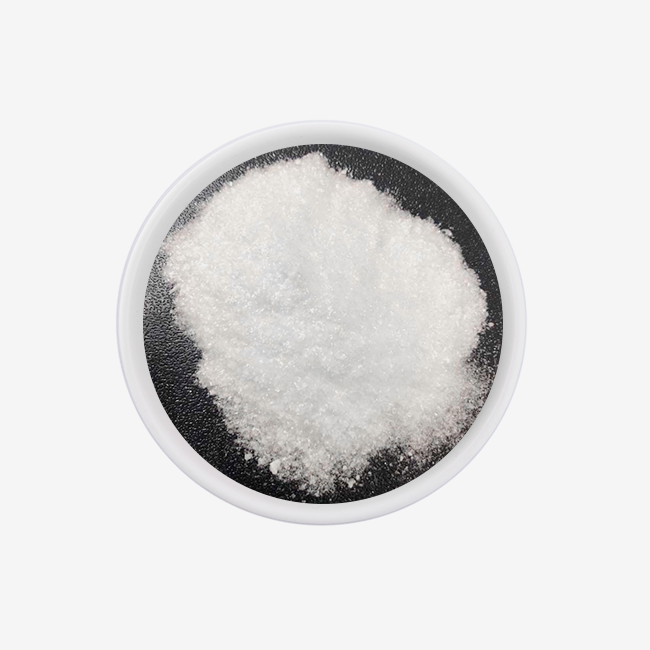
Food-Grade Sodium Acetate Anhydrous
CAS NO.: 127-09-3
Molecular Formula: CH3COONa
Molecular Weight: 82.03
Character: white crystal powder; specific gravity is 1.528 and melting point is 324℃.
Usage: It is a kind of chemical raw material and is widely used in dye, pharmaceutical, chemical reagent fields, sewagement and etc.
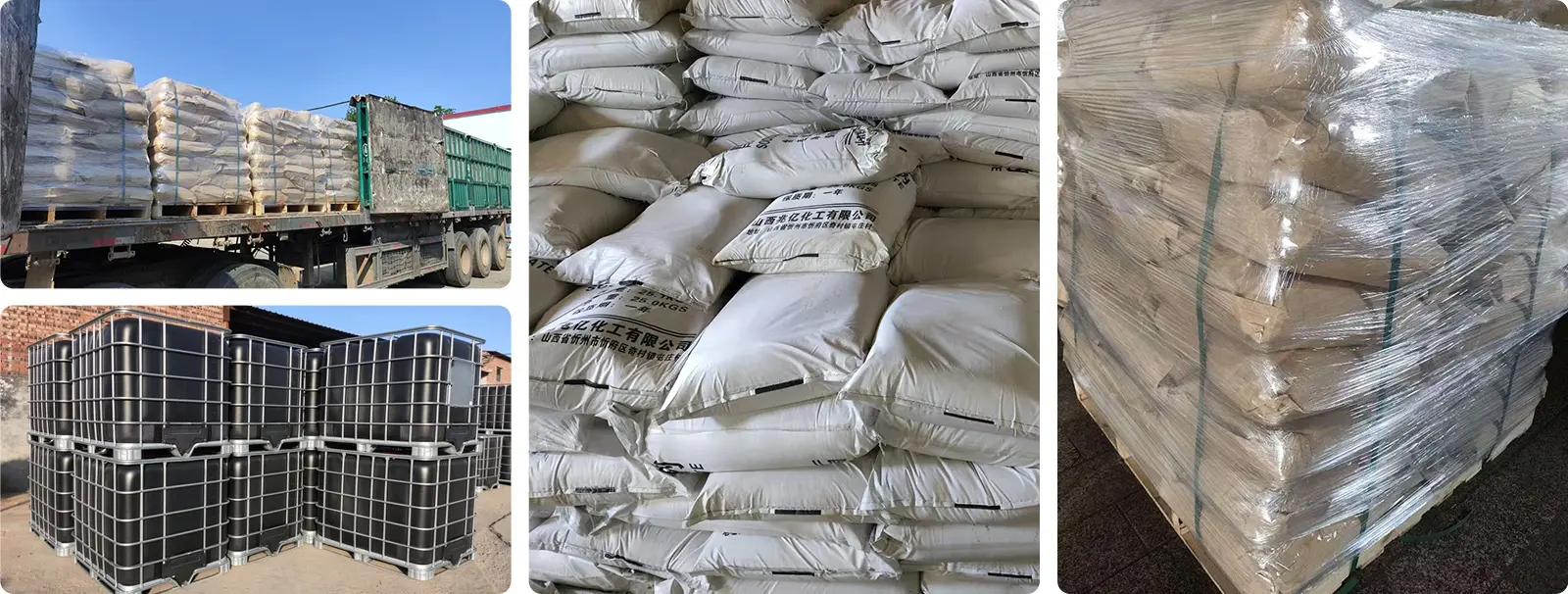
Package: 25kg plastic woven bag or 1005kg Ton-bag
Storage: It should be stored in a dry and ventilative warehouse, kept away from heat and moisture during transportation, unloaded with care so as to avoid damage. Furthermore, it must be stored separately from poisonous substances.
- Product Description
Food-Grade Sodium Acetate Anhydrous | Food Additive E262 | High-Purity Buffering & Preservation Solution
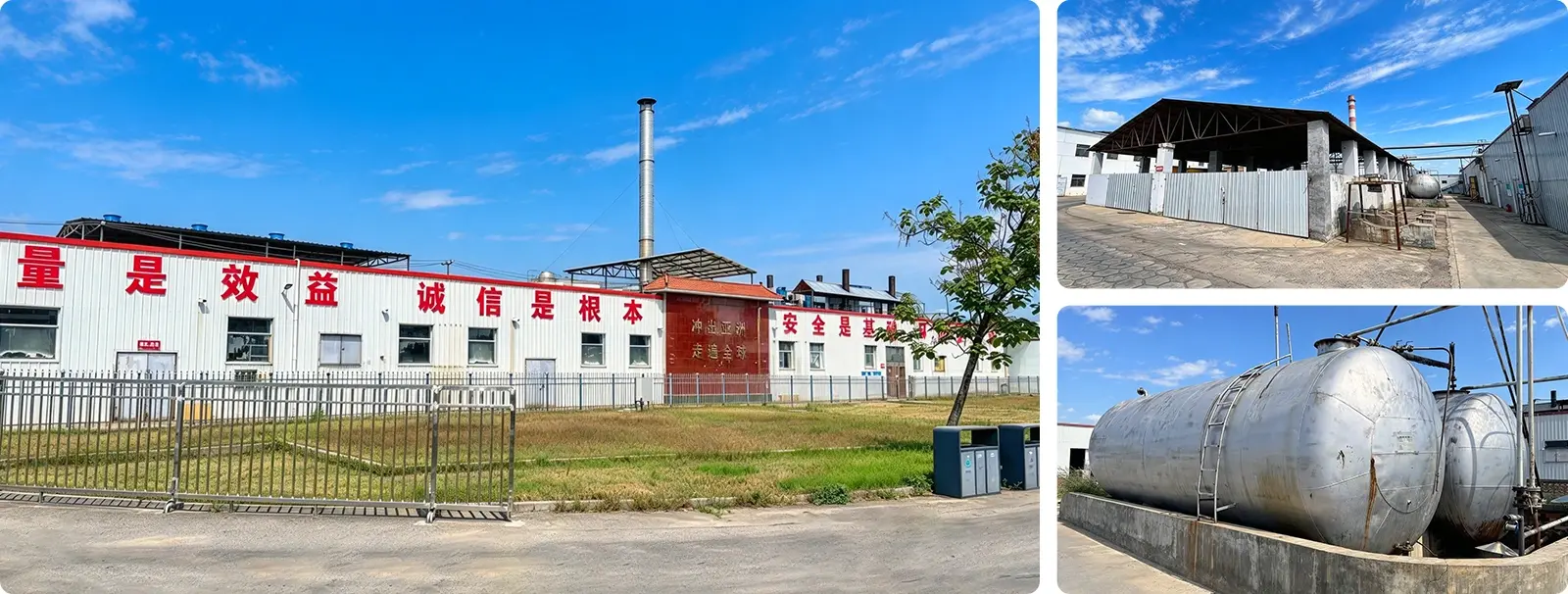
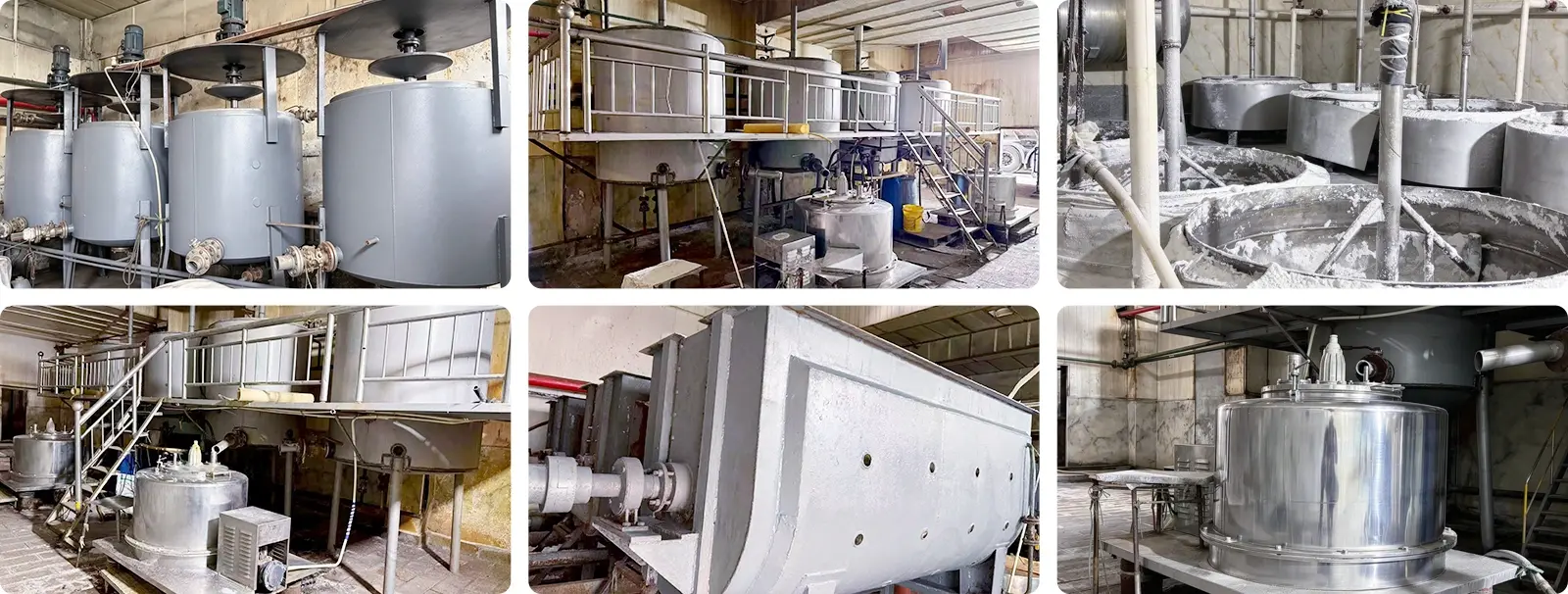
Food-Grade Sodium Acetate Anhydrous (CAS No. 127-09-3, molecular formula CH3COONa) is a white crystalline powder with a molecular weight of 82.03, a specific gravity of 1.528, and a melting point of 324°C. Produced by Shanxi Zhaoyi Chemical Co., Ltd. — formed in 1988 and has been making acetate for more than 30 years. This product meets the highest standards for food safety, with a purity of at least 99%, a wetness level of less than 0.5%, and a heavy metals level of less than 0.0005% (as Pb). Our 27,000 m² facility can produce 150,000 tonnes of goods every year, and we offer a reliable supply, low prices, and a range of packaging options for customers around the world.
Technical Specifications
Parameter | Specification | Testing Significance |
Content (CH₃COONa) | 99-101% | Ensures active ingredient potency |
Free Alkali | ≤0.2% | Prevents unwanted alkalinity in formulations |
Potassium (K) | ≤0.025% | Controls impurity levels for taste neutrality |
Lead (Pb) | ≤0.001% | Meets strict food safety toxicity standards |
Arsenic (As) | ≤0.0003% | Complies with international heavy metal limits |
Loss on Drying | ≤2% | Critical for avoiding moisture-related caking |
What Is Sodium Acetate Anhydrous and Why Does It Matter in Food Production?
Anhydrous sodium acetate is a food enhancer. This is sodium acetate that has been dried out, so it doesn't contain any crystalline water like its trihydrate counterpart does. That's a big change for people who make food.
During the process, the anhydrous form is a dry powder that flows freely. It won't add extra water to your recipe, which is important for coating snacks, making dry spice mixes, and drying meat.
The ingredient is E262 compliant and is mostly used in a wide range of processed foods as a pH buffer, acidity regulator, and antimicrobial preservative.
Key Product Characteristics
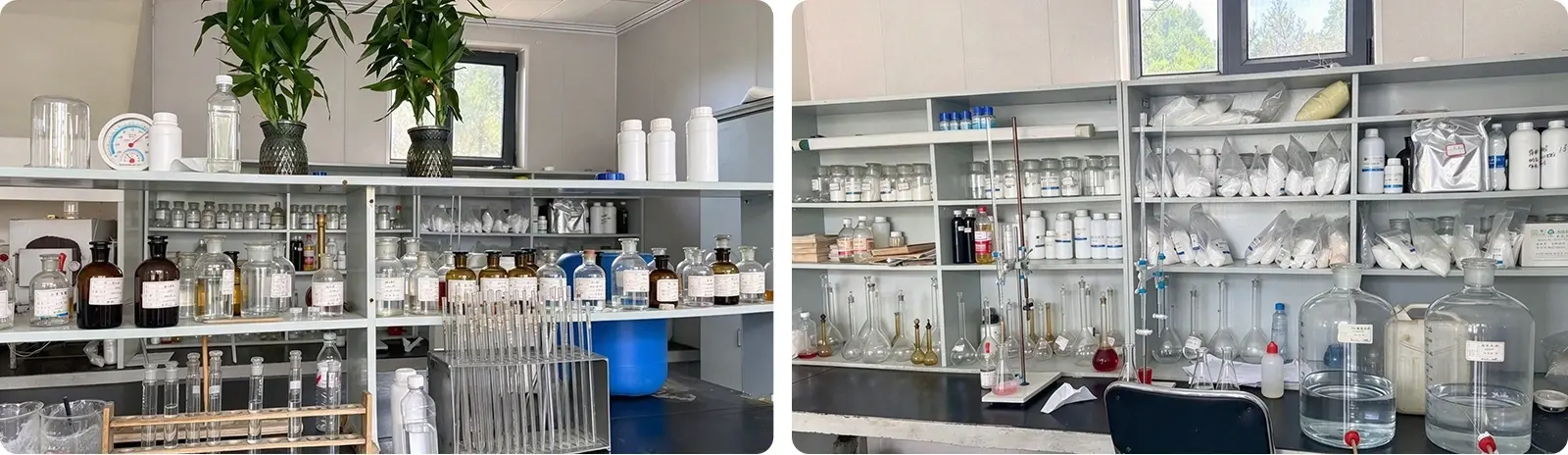
High purity and little impurity. You are paying for the active substance, not the fillers or synthesis by-products, with a purity of ≥99% and a chloride content of ≤0.005%. In competing goods low assay is generally an indication of inadequate reaction or deterioration on storage.
Completely dry, with a moisture content of less than 0.5%. That's what makes it different from the trihydrate. When there is too much wetness in the air, it builds up in hoppers and filling equipment, which stops production. Our tight control over moisture makes sure that your lines work well.
Stable performance from the buffer. A solution of sodium acetate makes the air slightly alkaline (pH 7.5–9.0). It doesn't lower the pH; instead, it protects against changes. Food formulators depend on this cushioned stability to make sure that the quality of the product is the same from batch to batch.
Compatible with clean food matrices. It doesn't change the taste or organoleptic qualities of the finished product when used at the recommended level (0.1% to 0.5%). In the right amount, it tastes like salt and vinegar. There is never a harsh or metallic aftertaste, which can happen from too much or contaminants from bad sources.
Food Industry Applications
Salt & Vinegar Snack Seasonings
Moisture is bad for making potato chips and other dry snacks. Food-Grade Sodium Acetate Anhydrous is the standard ingredient in the snack food business for adding a sharp vinegar flavour without making the surface wet. When spit comes in touch with the powder, it melts. This releases the acetate note and keeps the product clear for as long as it lasts.
Processing meat and making it last longer
It kills Listeria monocytogenes and other organisms that cause food to go bad in processed meats like sausages and deli meats. It can increase the shelf life of food in the fridge by 30–50% when used with sodium lactate. It is best to use the anhydrous form for dry-rub jobs where clumping shouldn't happen too soon.
Industrial Bread and Dough Conditioning
It prevents "rope" formation caused by Bacillus mesentericus in bread and regulates gluten matrix pH for uniform yeast activity. In high-speed industrial baking lines, this translates directly into consistent crumb texture and reduced batch variability.
Broader Food and Chemical Applications
Beyond food, this product is also applied in dye manufacturing, pharmaceutical intermediates, chemical reagent production, and wastewater treatment — making it a versatile acetate raw material for multi-industry procurement.
Food-Grade Sodium Acetate Anhydrous vs Other Products
Feature | Our Anhydrous Grade | Sodium Acetate Trihydrate | Sodium Diacetate | Potassium Acetate |
Moisture Content | ≤2% | ~39% water weight | 8-12% | ≤2% |
Dosage Efficiency | Standard (1.0x) | Requires 1.67x more | Stronger acid (0.7x) | Similar (1.0x) |
Caking Tendency | Minimal when stored properly | High due to water content | Moderate | Minimal |
Flavor Profile | Clean vinegar note | Clean vinegar note | Sharp acetic bite | Less salty alternative |
Cost Effectiveness | Premium pricing | Lower cost per kg | Mid-range | Higher pricing |
Regulatory Status | FDA GRAS, EU E262 | FDA GRAS, EU E262 | FDA GRAS, EU E262 | FDA GRAS, EU E261 |
Best Use Case | Dry applications | Liquid systems | Strong antimicrobial needs | Low-sodium formulations |
Quality Control and Procurement Inspection
Getting a product E262 ingredient is not as simple as looking at a spec document. Here’s what your QC staff needs to be checking on every shipment:
Assay (Purity): Target 99.0% – 101.0% This ensures the amount of the active substance and excludes dilution with by-products.
Loss on Drying: Not more than 1.0% per FCC Standard (our product is ≤0.5%). The main cause of caking problems in silos and dispensing systems is excess moisture.
It can't have more than 0.05% alkalinity as NaCO3. It means that there are impurities in the salt source that were used in the production process that could make the end food product taste and be safer.
Test for Heavy Metals: Lead (Pb) < 2 ppm, Arsenic (As) < 3 ppm, and Mercury (Hg) < 1 ppm. For our tests, Pb is less than 0.0005% and As is less than 0.0001%, which are well below the limits set by the FDA and the EFSA.
We support third party testing via SGS and other authorised labs. COA, MSDS and compliance documents provided for every batch.
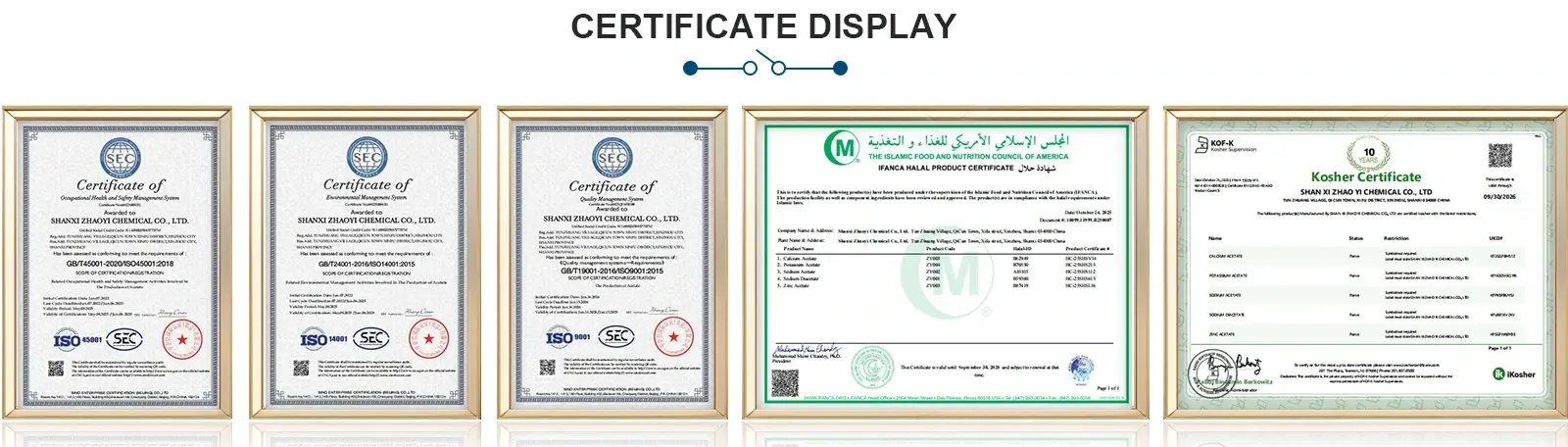
Certifications & Compliance
Our Food-Grade Sodium Acetate Anhydrous is made and checked for quality using management systems and food safety frameworks that are known all over the world.
· ISO 9001 — Quality Management System Certification
· ISO 14001 — Environmental Management System Certification
· ISO 45001 — Occupational Health and Safety Management System
· Kosher Certification — Suitable for Kosher-certified supply chains
· Halal Certification — Available for applicable food-grade products
· GB2760 Compliance — Chinese national food additive standard
· FDA GRAS Status — Generally Recognized as Safe
· EU E262 Approval — Approved food additive under European regulation
We also help customers from all over the world do on-site audits of our factories. You can make MSDS, COA, and safety papers in multiple languages fit the needs of your target market.
Packaging & Storage
Available Packaging:
· 25 kg plastic woven bag
· 1,005 kg ton bag (bulk orders)
Storage Instructions:
Store in a dry, well-ventilated warehouse. Stay cool and dry while in transit. Pack carefully to prevent damage. Keep away from harmful or dangerous chemicals.
The product is quite hygroscopic, thus once opened, utilise inner liners with low Water Vapour Transmission Rate (WVTR). Reseal after each usage to avoid caking.
FAQ
Q: What is the conversion ratio when converting from Sodium Acetate Trihydrate to the anhydrous form?
A:The conversion ratio is in the order of 1:0.6. The trihydrate contains around 40% water by weight therefore you need just 60% of the anhydrous dose to have the same acetate activity. Let me rephrase to reflect the decrease in overall volume.
Q: Why does our powder go bad in the warehouse? Is the product broken?
A:Not always. Sodium acetate anhydrous is quite hygroscopic. The powder will collect moisture from the atmosphere and solidify if the package integrity is damaged or if the storage humidity is excessive. Use liners with low WVTR. Keep in a cold, dry, sealed storage area.
Q: Is this item capable of lowering the pH of a food product?
A:No. Sodium acetate is a salt of a weak acid and a strong base it will provide a mildly alkaline solution (pH 7.5–9.0). It does not lower pH, but buffers it and resists pH change.” To reduce the pH you may use acetic acid or sodium diacetate.
Q: Does this substance fit within a “clean label” approach?
A:It has EU E262 approval and is GRAS by the FDA. But for stringent clean label positionings where you need “no chemical sounding names”, some producers may swap it out with buffered vinegar or vinegar powder, which is the same substance in a naturalised version that functions in the same way.
Q: Will it leave a chemical after taste in my product?
A:At the suggested levels (0.1%–0.5%) it adds just a slight saline-vinegar note when used. An overdose or the use of a bad grade substance with a high carbonate or heavy metal impurity will usually produce a bitter or metallic aftertaste.
Q: Do you make sodium acetate E262 with bespoke packaging and OEM labelling?
A:Yes. OEM labels, unique package types and multilingual literature for your target market. We may also customise purity, dissolving rate or particle size criteria to meet your application needs.
Our Exhibitions
Contact Us
Ready to source reliable Food-Grade Sodium Acetate Anhydrous for your production line? Contact us at sxzy@sxzhaoyi.com — our team responds within 2 hours.

USER EVALUATE
Here is the customer's evaluation of us